
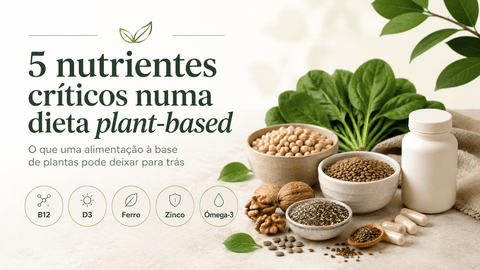
The nutrients a plant-based diet can leave behind
Choosing a vegetarian, vegan, or flexitarian diet is a positive decision. But removing animal products creates predictable nutritional gaps that, without attention, can become real deficiencies.
Eating plant-based is a choice. Knowing what's missing is a strategy.
Plant-based eating offers documented benefits for cardiovascular, metabolic, and environmental health. But there's a detail many people overlook when making the transition: some essential micronutrients are present in very small amounts — or in poorly bioavailable forms — in plant sources.
These nutrients are predictably scarce, meaning they can be anticipated, monitored, and supplemented strategically. Knowing them is the first step to maintaining a sustainable plant-based diet long-term.
The nutrients that deserve attention
Each of these five micronutrients has a specific reason for being scarce in a plant-based diet. Knowing the cause helps define the right strategy for each case.
Vitamin B12
Produced by microorganisms and found almost exclusively in animal products. Deficiency can take years to manifest, affecting the nervous system and red blood cell production.
Vitamin D3
Present in very small quantities in food. In Portugal, despite the sun, most people have insufficient levels — especially in winter.
Iron
Non-heme iron from plants has much lower absorption than heme iron from meat. Especially relevant for women of childbearing age following plant-based diets.
Zinc
Zinc from legumes and whole grains is partially blocked by phytates. Essential for immunity, healing, and hormonal balance.
DHA
Omega-3 — the fifth pillar
Vegetable omega-3 (ALA, from flax seeds, chia, and walnuts) has a very low conversion rate to EPA and DHA in the body. It is EPA and DHA — the bioactive fatty acids — that have documented impact on cardiovascular health, cognitive function, and inflammation modulation. Without fish in the diet, supplementation gains increased relevance.
When the body gives clues
Nutrient deficiencies rarely appear suddenly. They manifest gradually, often as non-specific symptoms that can go unnoticed for months. These are some signs that warrant attention and, ideally, analytical confirmation.
Persistent fatigue
Tiredness that doesn't improve with rest can indicate iron or B12 deficiency.
Lack of concentration
Cognitive difficulties may be linked to low levels of B12, iron, or omega-3.
Frequent infections
Weakened immunity is often associated with zinc and vitamin D deficiency.
Fragile skin and hair
Skin changes and hair loss can reflect a lack of zinc, iron, or omega-3.
The essential selection for a plant-based diet
A varied diet remains the foundation. But in plant-based diets, some nutrients are difficult to obtain in sufficient quantities from food alone. This is the reference selection to fill the most common gaps — always with the guidance of a healthcare professional and, ideally, after clinical analysis.
B Complex #12
B complex with methylcobalamin (active form of B12) and methylfolate. Bioavailable clinical quality formula, without unnecessary excipients.
B12 is an essential supplement for anyone following a vegan diet, and highly recommended for vegetarians with reduced consumption of eggs and dairy. Methylcobalamin is the active form of the vitamin, readily usable by the body, and contributes to the normal functioning of the nervous system and energy metabolism.
Vitamin D3 + K2
Combined formula of D3 and K2 (MK-7). Vitamin K2 contributes to the maintenance of normal bones, complementing the action of vitamin D3.
Chelated Iron
Highly bioavailable iron in chelated form. Formula designed for better digestive tolerance, reducing the discomfort associated with other forms of iron.
Bioavailable Zinc
Selection of highly bioavailable zinc supplements, including chelated and bisglycinate forms for better absorption and digestive tolerance.
Omega 3 RX 1000mg
EPA and DHA concentrate with certified purity. Reference formulation for those who do not regularly consume fish.
In plant-based diets, EPA and DHA are particularly difficult to obtain in adequate quantities — conversion from vegetable ALA is limited. A concentrated omega-3 supplement helps ensure the intake of these bioactive fatty acids, which contribute to the normal functioning of the heart and brain.
Common questions about plant-based supplementation
Is it really necessary to supplement B12 on a vegan diet?
Yes. B12 is virtually non-existent in plant sources, and its deficiency can take years to manifest, but it has significant consequences. It is widely agreed that supplementation is necessary in vegan diets.
Can I take all these supplements at the same time?
Some minerals compete with each other for absorption (like iron and zinc). Ideally, doses should be spread throughout the day, and the protocol should be defined with a healthcare professional.
How do I know if I have deficiencies?
Periodic clinical analyses are the most reliable way. Requesting a complete blood count, ferritin, B12, 25-OH-vitamin D, and serum zinc is a good starting point.
Are there vegetable alternatives to animal supplements?
Yes. For omega-3, there are versions from microalgae. For D3, there are versions derived from lichens. Vegetable capsules (without animal gelatin) are also a common alternative.
Supplementation does not replace food. But, in a plant-based diet, it's what makes the food sufficient.
A well-structured plant-based diet combines varied eating, knowledge of critical points, and targeted supplementation when necessary. There's no reason to forgo the advantages of this diet, but there are clear reasons to approach it methodically — regular analyses, informed choices, and clinical quality products make all the difference over time.
Viva Saudável's plant-based selection
All the supplements mentioned in this article, and many others, are part of the curated selection available in the store.
- Premium brands: Thorne Research, Ecogenetics, EnerZona
- Formulations with clinically validated bioavailability
- Fast delivery throughout the national territory
Comments (0)
There are no comments for this article. Be the first one to leave a message!