Coenzyme Q10

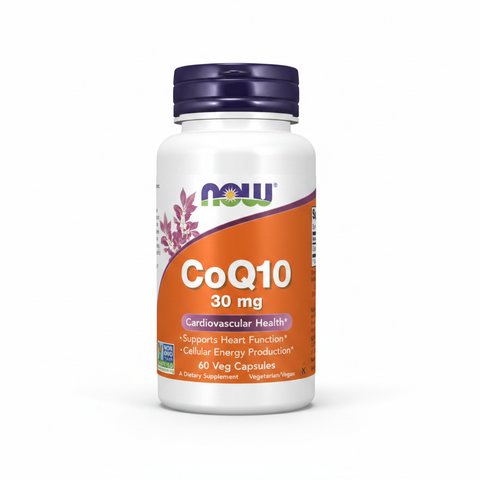
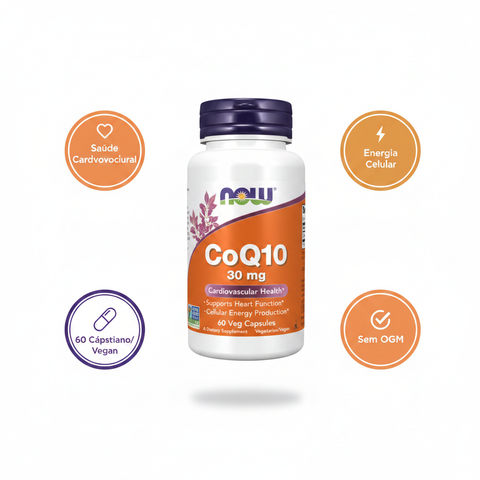
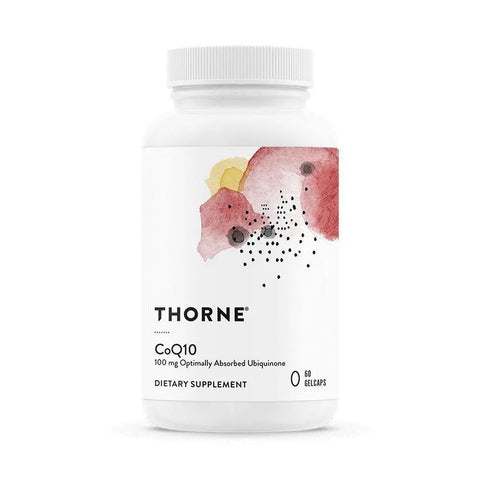
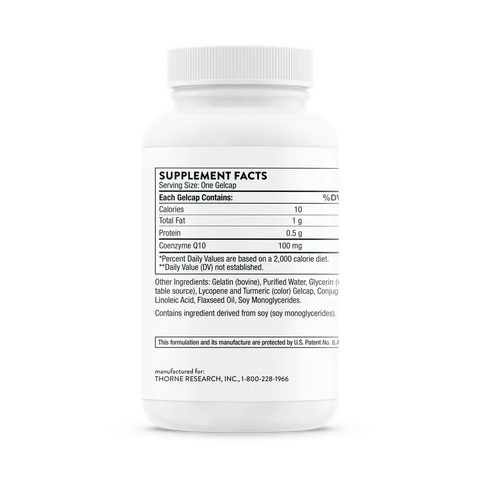
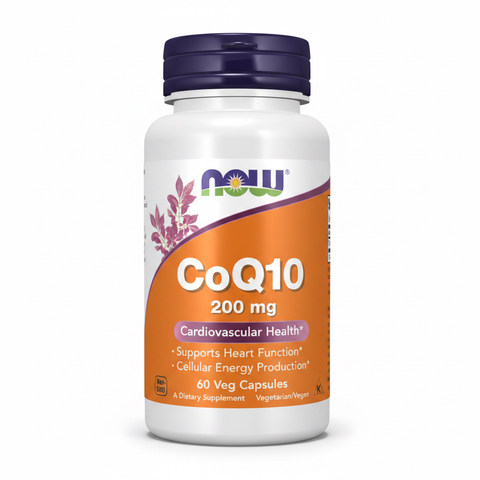
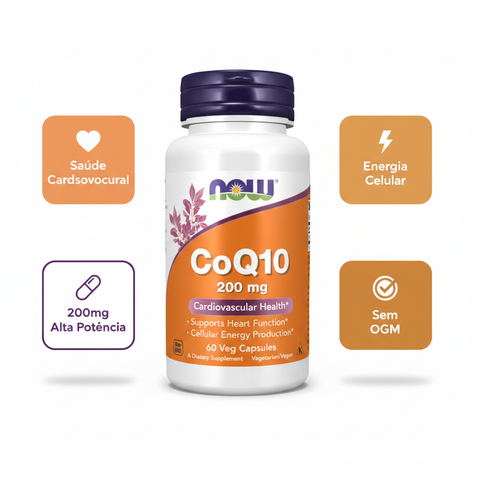
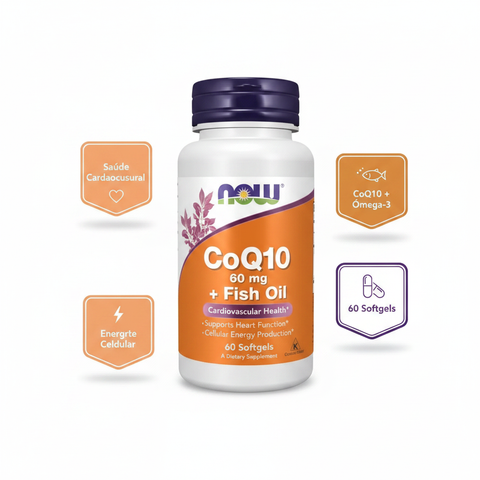
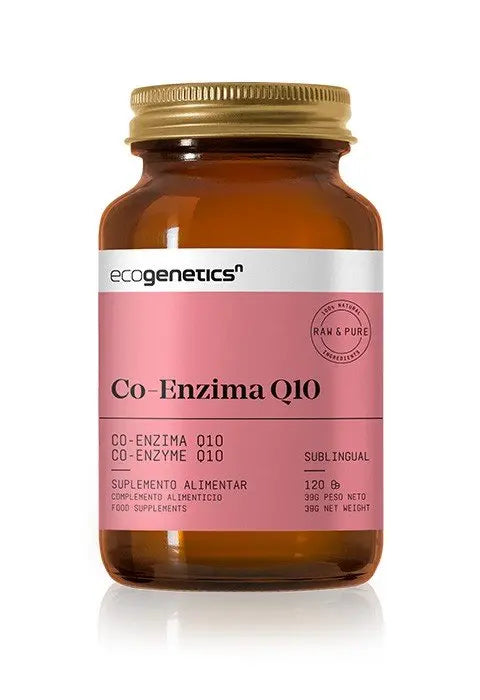
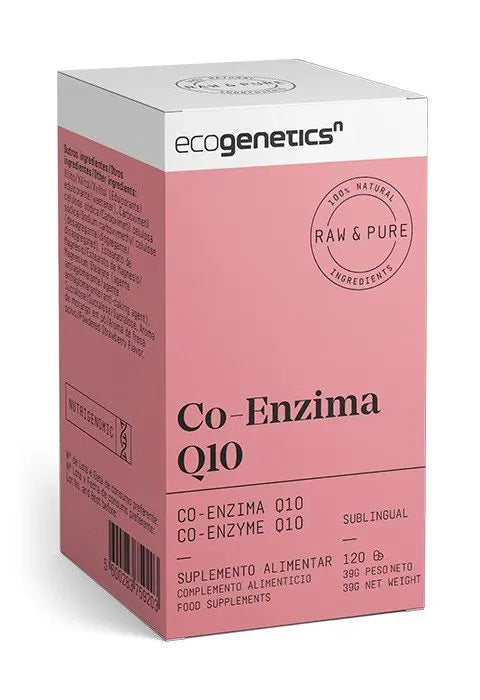
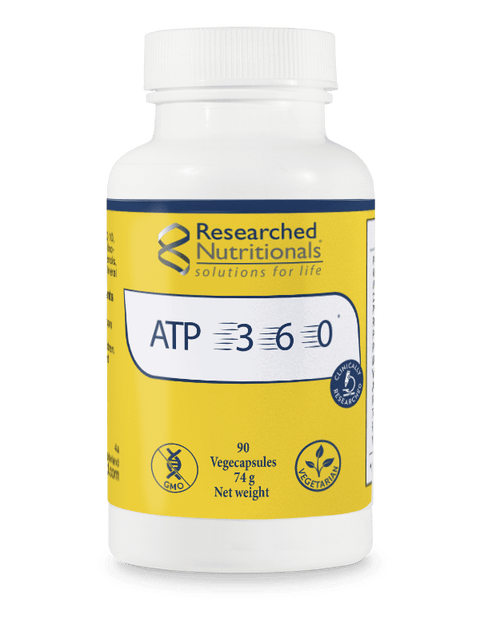
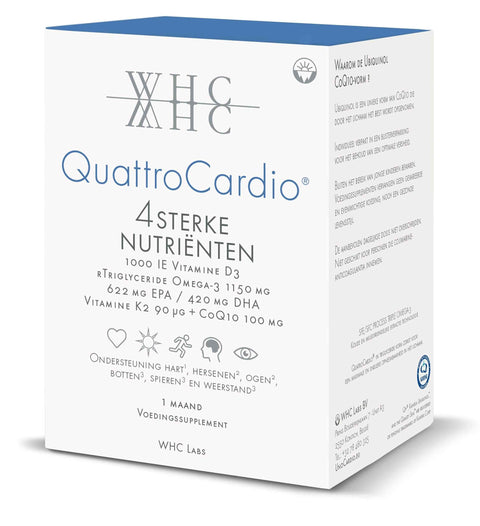
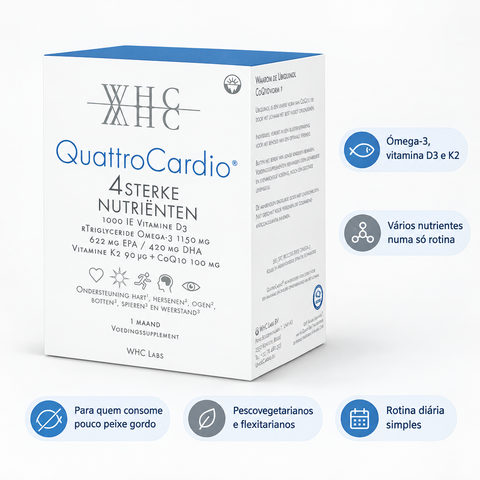
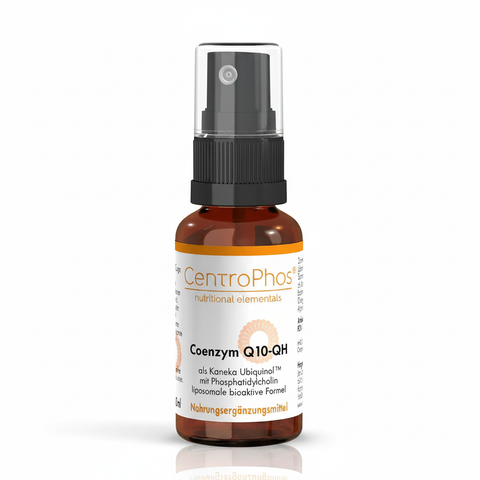
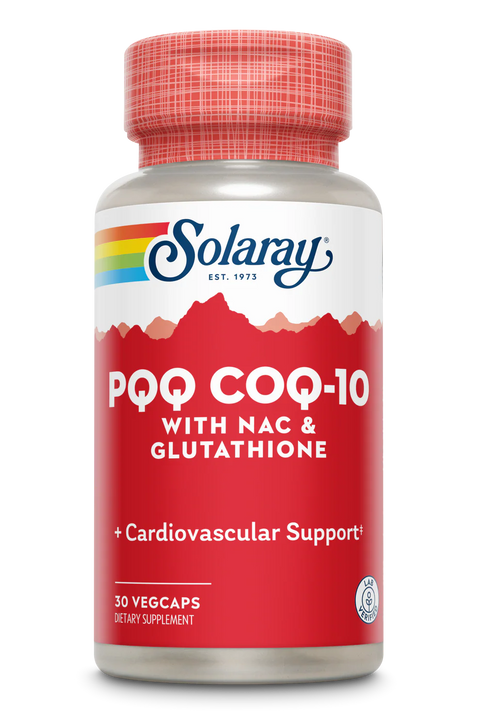
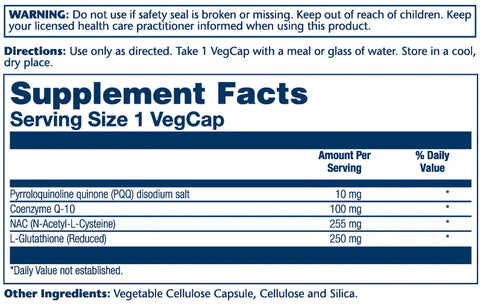
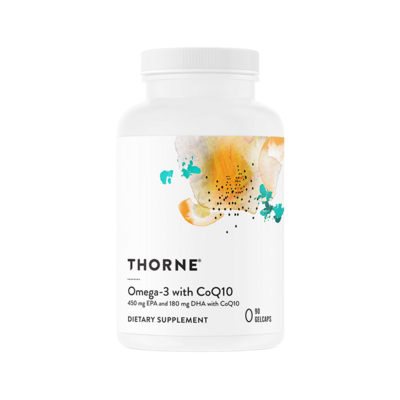
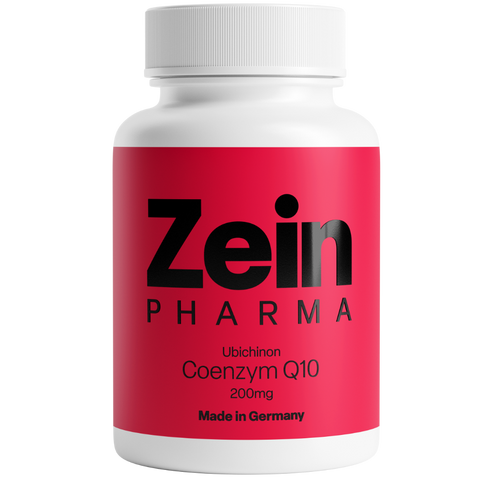
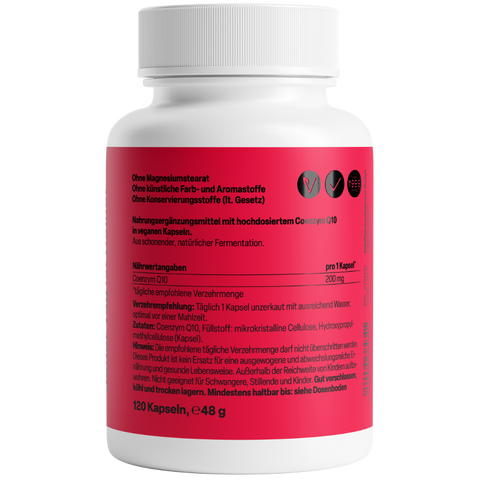
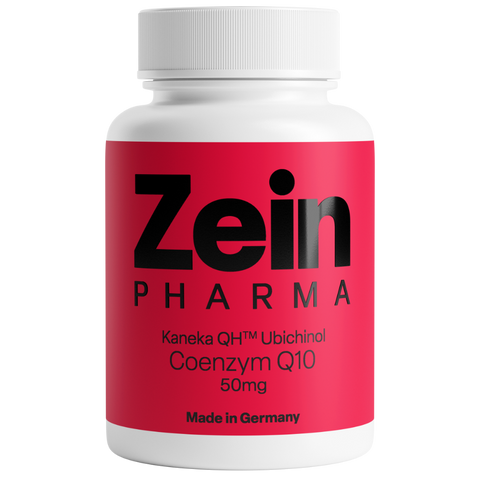
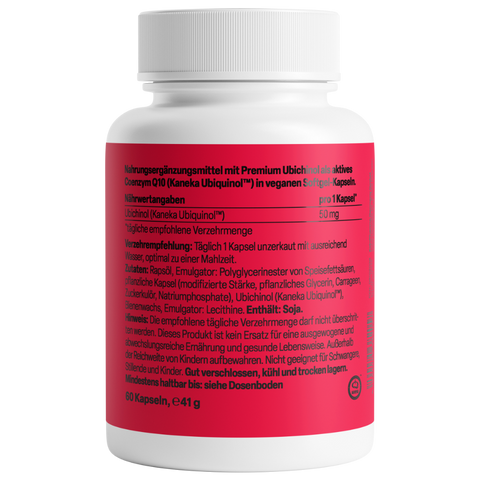
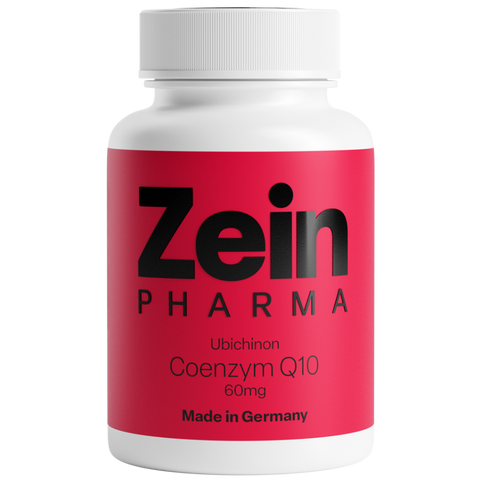
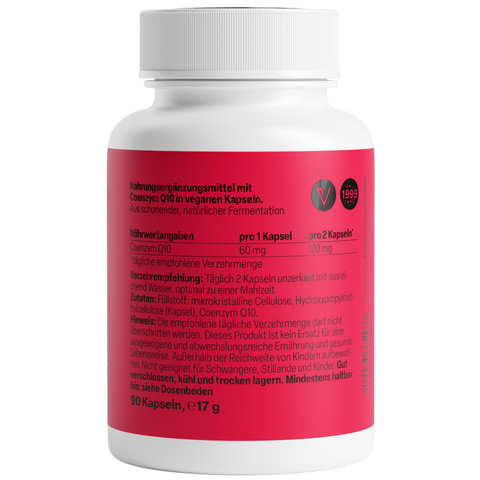
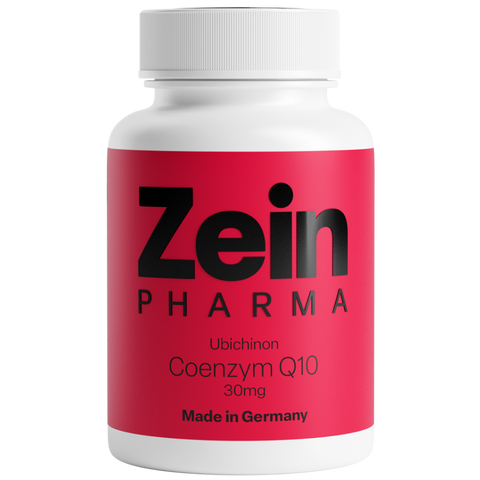
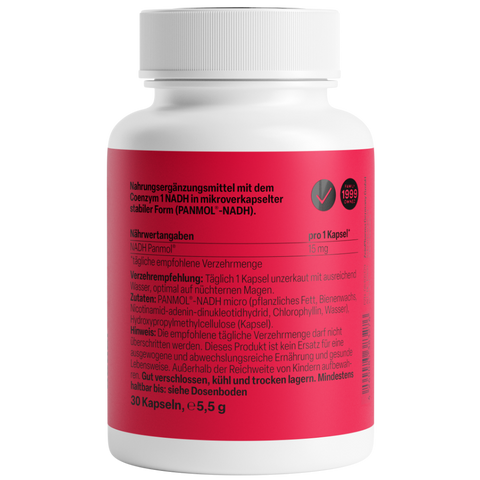
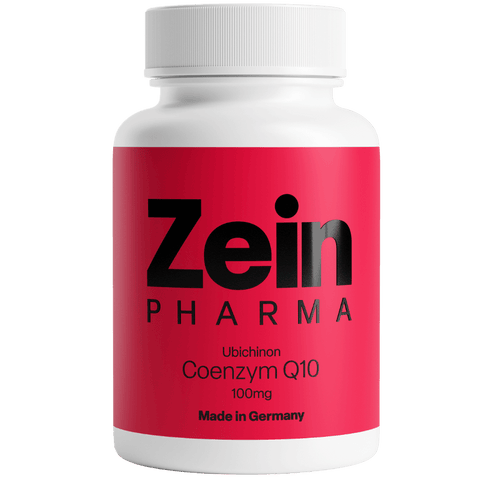
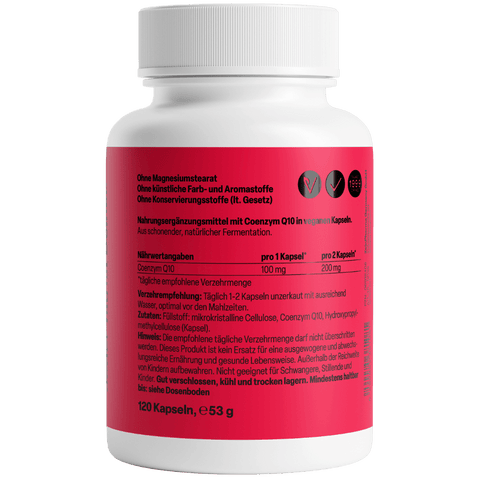
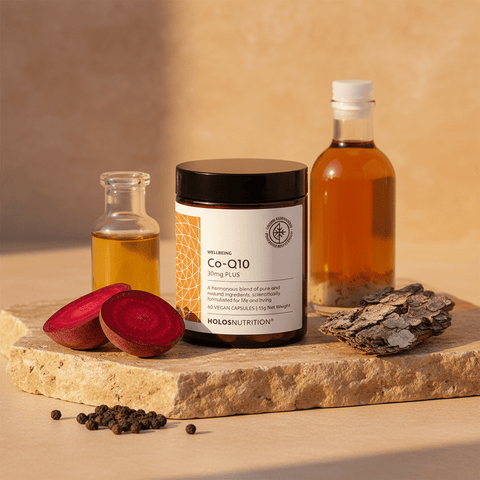
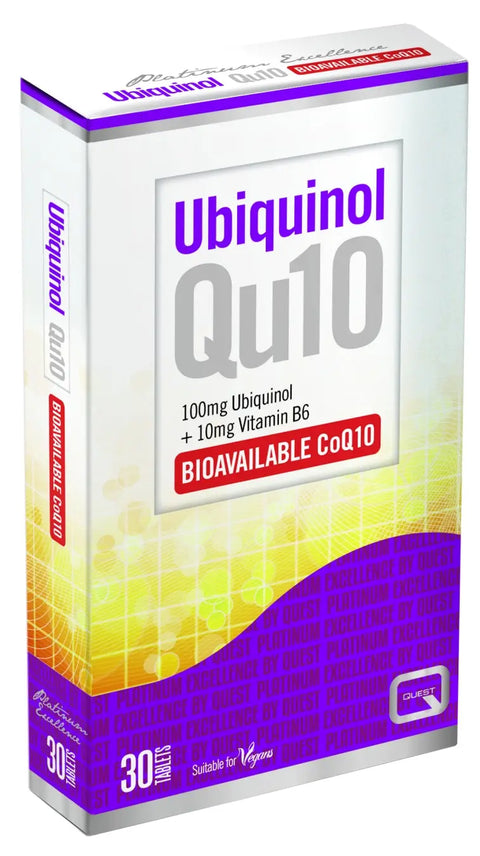
The Viva Saudável Coenzyme Q10 collection brings together supplements from brands such as Thorne Research, NOW Foods, Zeinpharma, Solaray, WHC, CentroPhos, Ecogenetics, Quest, Holos Nutrition, and Suravitasan. You'll find ubiquinone and ubiquinol, in doses ranging from 30 to 200 mg per unit, in capsules, softgels, and liposomal liquid format, with vegan options and formulas combined with omega 3, vitamin D3, vitamin K2, and PQQ.

What is Coenzyme Q10 and what distinguishes ubiquinol from ubiquinone?

Coenzyme Q10, also known as ubiquinone, is a fat-soluble molecule present in the cell membranes of practically all organisms — hence its name, from "ubiquitous". It was first isolated in 1957 from bovine heart mitochondria. The human body synthesizes it, and it is also obtained in small quantities through diet, mainly from meats, fatty fish, nuts, and vegetable oils.

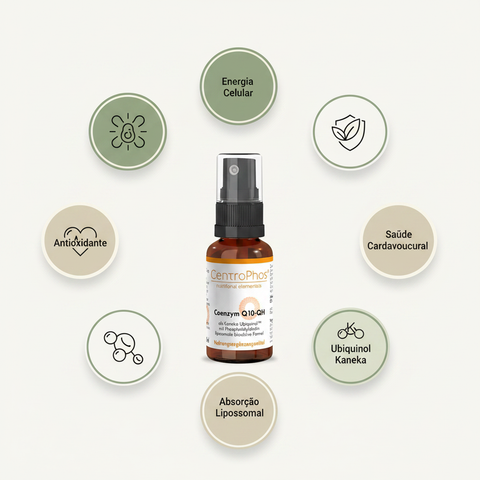
Ubiquinone is the oxidized form and ubiquinol is the reduced form; the body converts one into the other as needed. The designation Kaneka refers to a raw material produced by fermentation, common in high-end products.

How to compare and a warning

Compare the milligrams per capsule — in this collection, they range from 30 to 200 mg — and the form used. Being fat-soluble, CoQ10 is better absorbed when taken with a meal containing fat, which is why many products come in softgels with an oily vehicle. If you are taking coumarin anticoagulants, such as warfarin, talk to your doctor before starting: an interaction has been described due to structural similarity between CoQ10 and vitamin K. The same applies to those taking medication for blood pressure or lipid profile.

17 products

How to choose your coenzyme Q10

Among the products on this page, the difference lies in the form, the dosage, the vehicle, and the price per day. These are the four points worth comparing.

1. Ubiquinone or ubiquinol

These are the oxidized and reduced forms of the same molecule, and the body converts one into the other. Ubiquinoneis the most common and the most stable; ubiquinolrequires stabilization and costs more to produce, which is reflected in the price.

2. The dosage per capsule

On this page, doses range from 30 to 300 mg per unit. Calculate the price per day, not the price per package: between a 30 mg product and a 200 mg product, the real difference may be the opposite of what it appears to be on the shelf.

3. The vehicle and format

As it is fat-soluble, coenzyme Q10 often appears in softgels with oil, and there are also liquid liposomal versions and vegetable capsules. For this reason, it should be taken with a meal containing some fat. The Kaneka designation indicates the origin of the raw material, obtained through fermentation.

4. Alone or in a combined formula

There are products with only coenzyme Q10 and formulas that combine it with omega-3, vitamin D3, vitamin K2, or PQQ. For combined products, check the amount of each ingredient in the daily dose before comparing prices.

5. The interaction not to be ignored

An interaction has been described with coumarin anticoagulants, such as warfarin, due to the structural similarity between coenzyme Q10 and vitamin K. Those undergoing anticoagulation therapy, or taking medication for blood pressure or cholesterol, should speak to their doctor before starting.

Perguntas frequentes

Para que serve a coenzima Q10?
A coenzima Q10, ou CoQ10, é uma molécula lipossolúvel presente nas membranas celulares de praticamente todos os organismos, o que lhe valeu o nome de ubiquinona. O organismo produz a sua, e obtém-se também em pequenas quantidades de carnes, peixes gordos, frutos secos e óleos vegetais. Nos suplementos aparece como ubiquinona ou ubiquinol.
Qual é a diferença entre ubiquinona e ubiquinol?
São as formas oxidada e reduzida da mesma molécula, e o organismo converte uma na outra conforme necessita. A ubiquinona é a forma mais comum e mais estável nos suplementos. O ubiquinol exige processos de estabilização e tem um custo de produção superior, o que se reflete no preço.
O que significa Kaneka no rótulo?
É o nome do fabricante japonês da matéria-prima, obtida por fermentação. Indica a origem do ingrediente usado na fórmula e não uma forma química diferente.
Como comparo os produtos desta página?
Pelos miligramas por cápsula, que aqui vão de 30 a 300 mg, e pela forma usada, ubiquinona ou ubiquinol. Veja também o veículo: sendo lipossolúvel, muitos produtos vêm em softgel com um óleo, e há versões lipossomais líquidas. Por ser lipossolúvel, toma-se com uma refeição que tenha gordura.
Há interações a conhecer?
Sim, e é o ponto mais importante desta página. Está descrita interação com os anticoagulantes cumarínicos, como a varfarina, por semelhança estrutural entre a coenzima Q10 e a vitamina K. Quem faz hipocoagulação, ou toma medicação para a tensão arterial ou para o colesterol, deve falar com o médico antes de iniciar.
Existem opções vegan?
Sim. A matéria-prima é habitualmente obtida por fermentação, e o que costuma determinar se o produto é vegan é a cápsula: as softgels tradicionais levam gelatina, enquanto as cápsulas vegetais e as fórmulas líquidas não. Confirme no rótulo.

Veja também

Food supplements are not a substitute for a varied and balanced diet or a healthy lifestyle. If you are pregnant or breastfeeding, consult your doctor before taking this supplement. Not recommended in case of hypersensitivity or allergy to any of the ingredients in the formulation, or when interactions between another product and any of its constituents are described. The recommended daily dose should not be exceeded. Keep out of the reach and sight of children. Store in a cool, dry place, away from light.