
13 products
Sold Out
Auri Foods
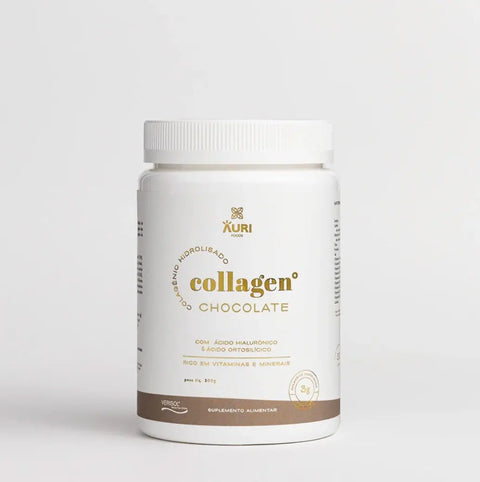
Verisol® Chocolate Collagen 300g Auri Foods - Beauty and Health in Every Dose
Price:
35,14€


Perguntas frequentes
Para que serve o colagénio?
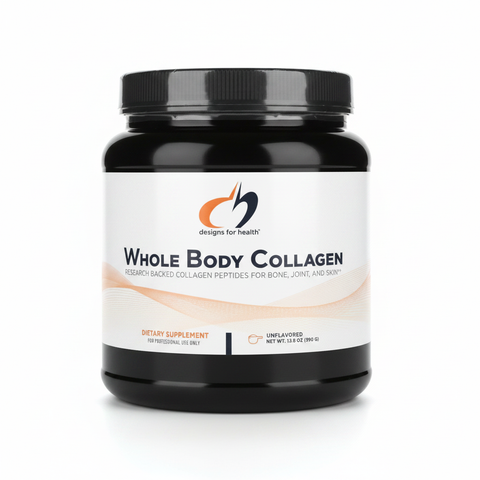
O colagénio é a proteína estrutural mais abundante do organismo e está presente na pele, nos ossos, nos tendões e nas cartilagens. Nos suplementos aparece sobretudo como colagénio hidrolisado, em pó ou cápsulas. A vitamina C, que muitas fórmulas incluem, contribui para a formação normal de colagénio para o funcionamento normal da pele, dos ossos e das cartilagens.
O que é colagénio hidrolisado e o que são peptídeos?
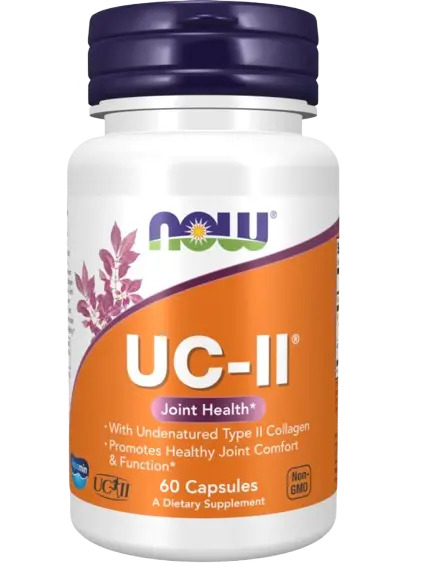
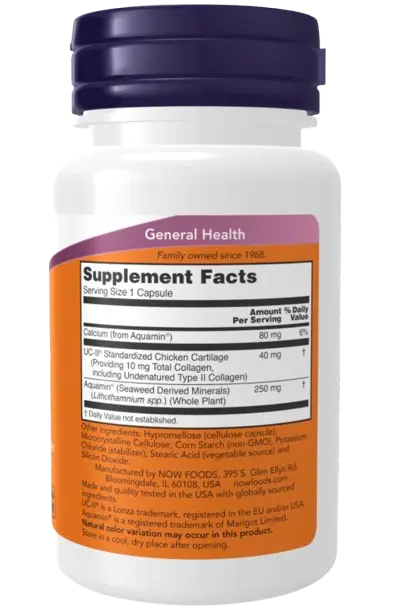
São a mesma coisa: colagénio partido em fragmentos mais pequenos por hidrólise, o que o torna solúvel em água e fácil de misturar. Vende-se sobretudo em pó e toma-se em doses de vários gramas por dia. É diferente do UC-II, que é colagénio tipo II não desnaturado, em cápsulas com dezenas de miligramas.
Marinho, bovino ou de caldo de ossos?
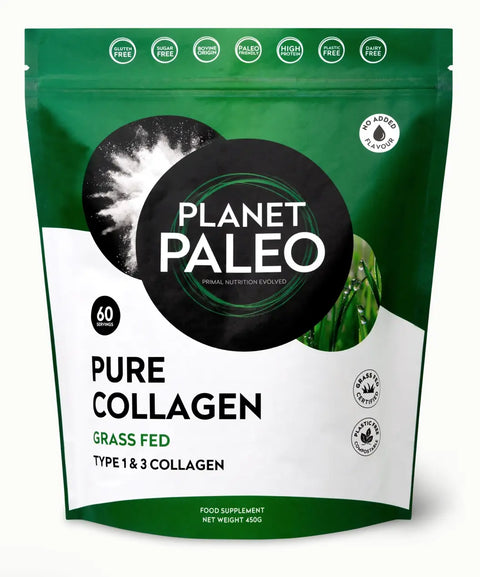
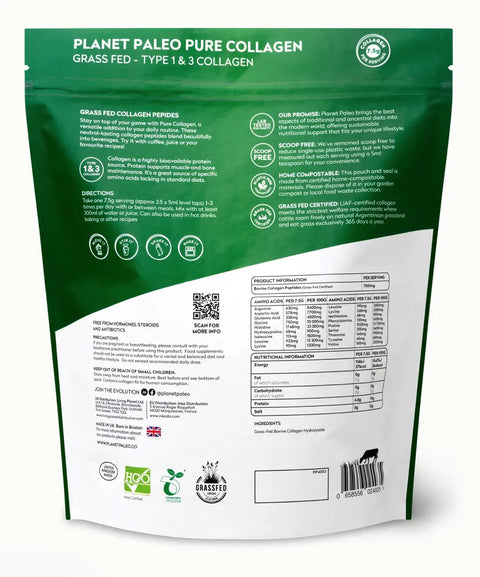
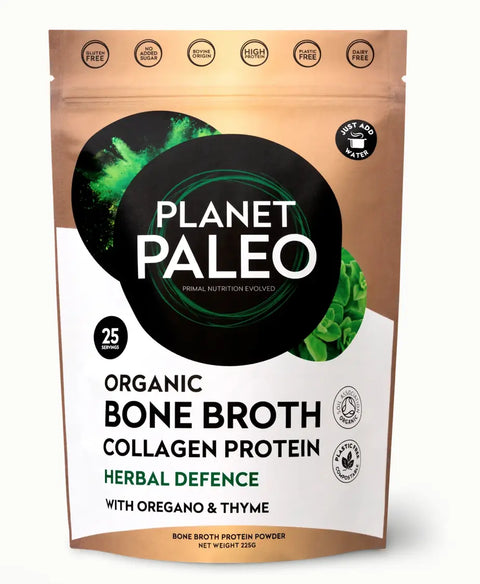
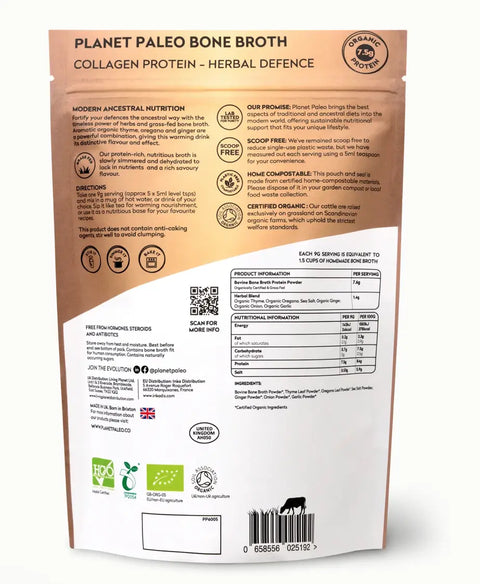
São origens diferentes da mesma proteína. O marinho vem da pele e das escamas de peixe e é sobretudo tipo I; quem tem alergia a peixe deve evitá-lo. O bovino contém tipos I e III e costuma ser mais económico. O de caldo de ossos é obtido por cozedura prolongada e traz também outros componentes do caldo.
Porque é que muitas fórmulas juntam vitamina C?
Porque a vitamina C contribui para a formação normal de colagénio para o funcionamento normal da pele, dos ossos, das cartilagens, das gengivas, dos dentes e dos vasos sanguíneos. É a única indicação concreta desta página, e por isso aparece em tantas fórmulas.
Como se toma o colagénio em pó?
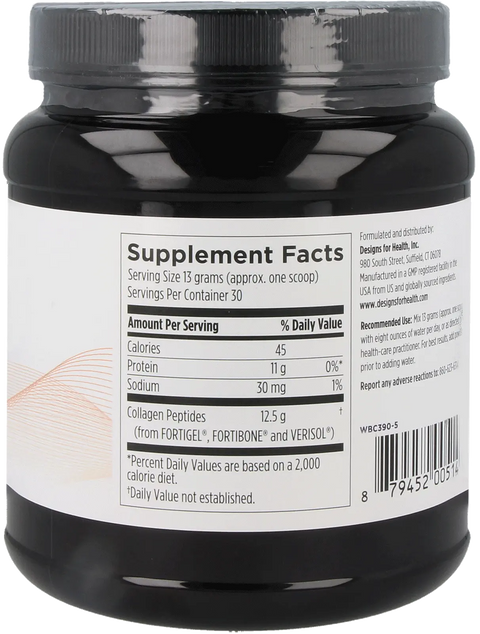
Dissolve-se em água, café, leite ou iogurte, a qualquer hora do dia, seguindo a dose indicada no rótulo. A colher de medida varia muito entre marcas, por isso confirme quantos gramas dá a sua e faça a conta às doses por embalagem antes de comparar preços.
Existe colagénio vegan?
Não. O colagénio é uma proteína de origem animal, e tudo o que se vende como «colagénio vegan» são fórmulas com outros ingredientes, como vitamina C, aminoácidos e silício. Se segue uma alimentação vegana, é isso que encontrará sob esse nome.
Veja também
Food supplements are not a substitute for a varied and balanced diet or a healthy lifestyle. If you are pregnant or breastfeeding, consult your doctor before taking this supplement. Not recommended in case of hypersensitivity or allergy to any of the ingredients in the formulation, or when interactions between another product and any of its constituents are described. The recommended daily dose should not be exceeded. Keep out of the reach and sight of children. Store in a cool, dry place, away from light.