



Omega-3 supplements

Omega 3: EPA, DHA, Fish Oil and Krill

Omega-3 fatty acids — mainly EPA (eicosapentaenoic acid) and DHA (docosahexaenoic acid) — are essential lipids that the body does not synthesize in sufficient quantity and must be obtained through diet or supplementation. EPA and DHA contribute to the normal function of the heart (with 250 mg per day), and DHA contributes to the maintenance of normal brain function and vision (with 250 mg per day).

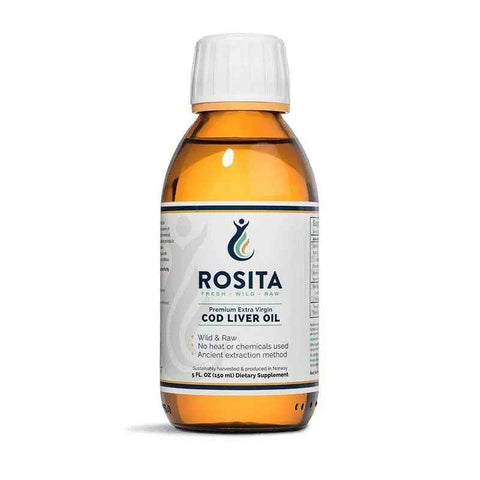
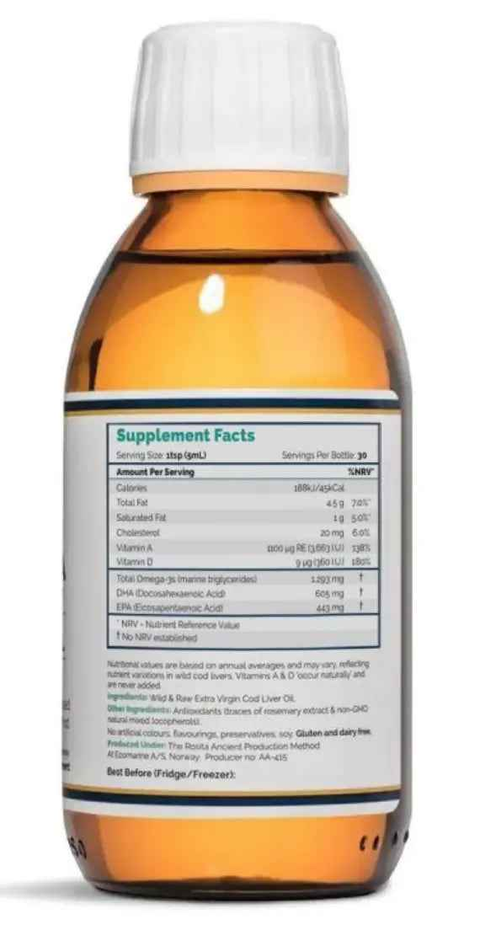
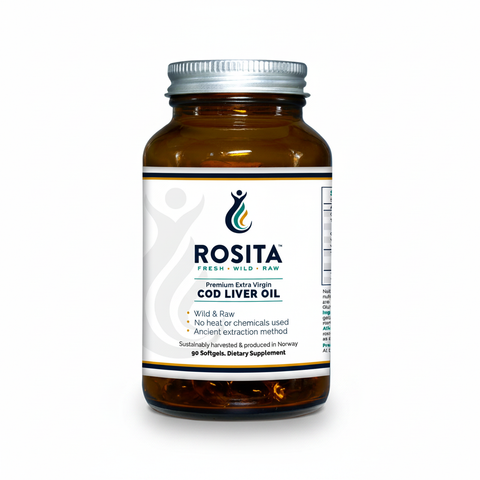
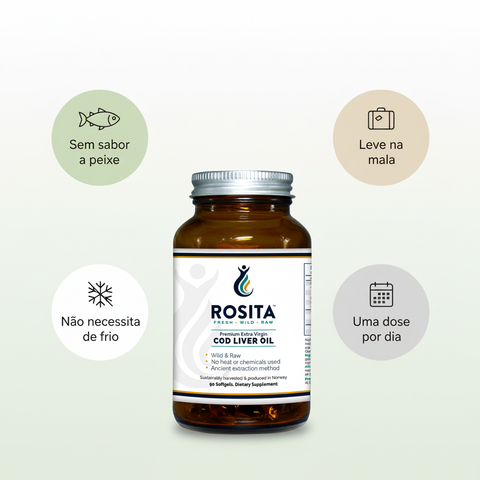
The quality of an omega-3 supplement depends on three factors: the concentration of EPA and DHA per capsule, the molecular form (re-esterified triglycerides offer better absorption than ethyl esters), and purity, attested by independent certifications such as IFOS, which guarantee low levels of heavy metals and oxidation. Sources vary between fish oil, cod liver oil (naturally rich in vitamins A and D), and krill oil (with phospholipids and astaxanthin).

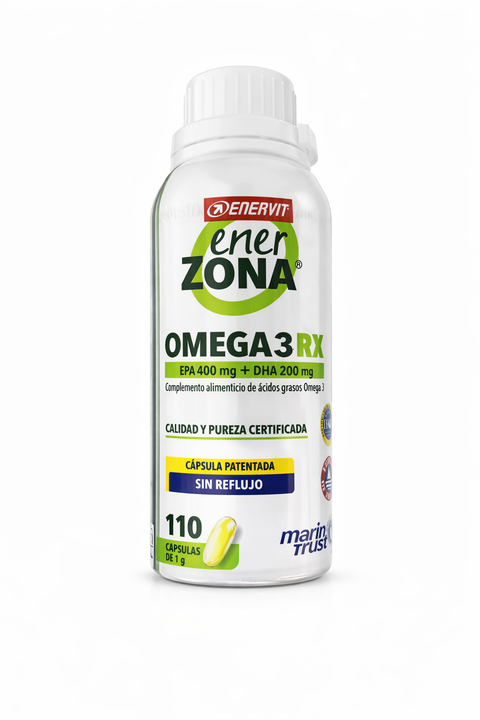
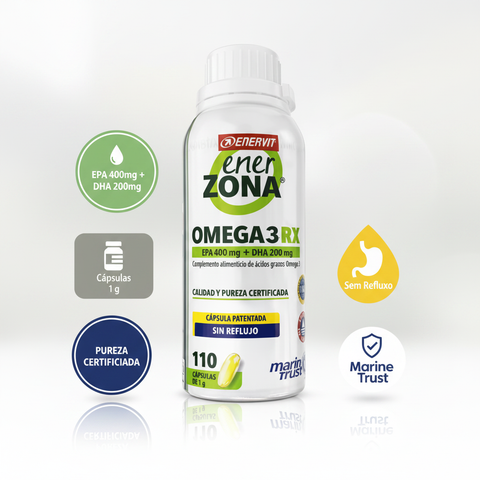
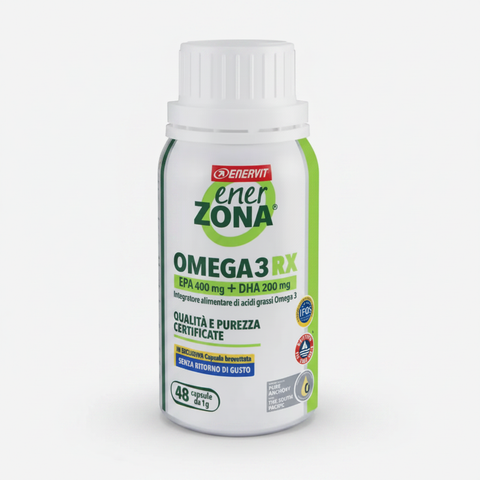
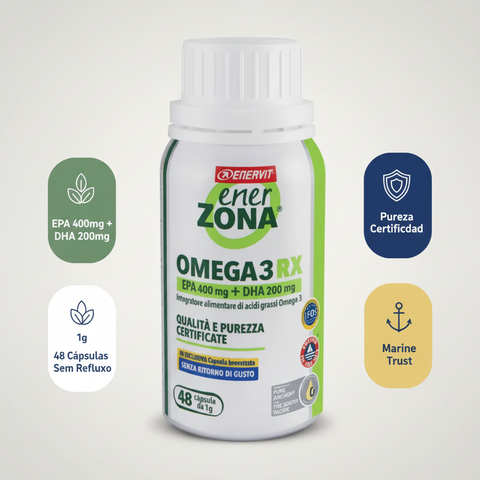
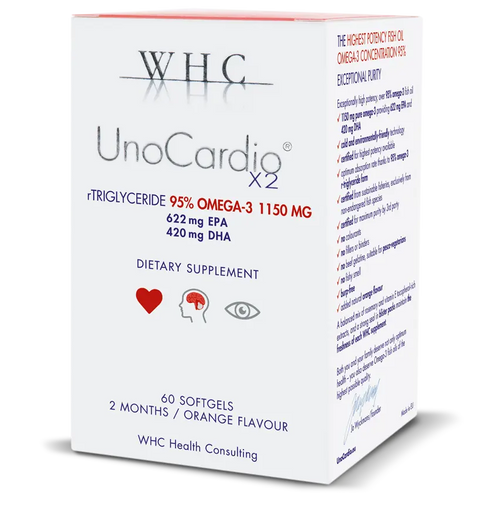
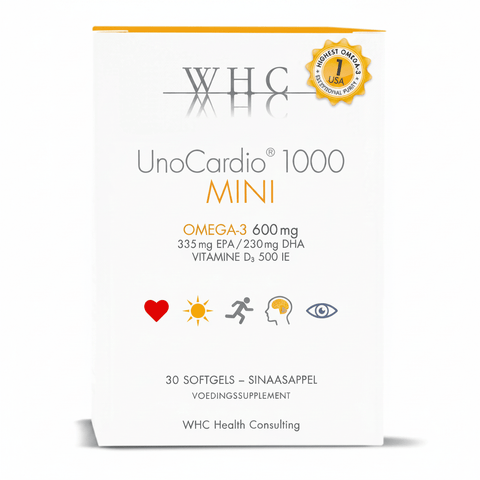
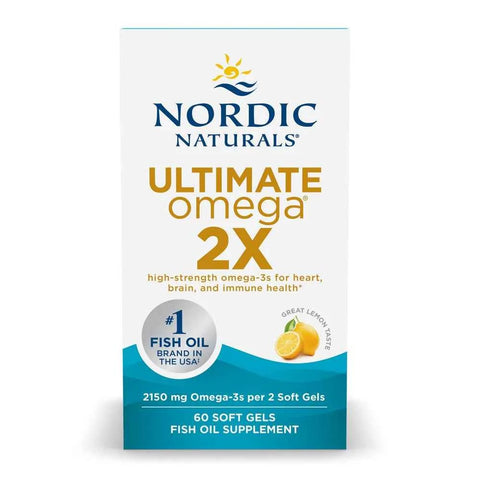
At Viva Saudável, we distribute omega-3 from premium brands such as Nordic Naturals, WHC, and Enerzona, with highly concentrated forms and quality certification.

41 products

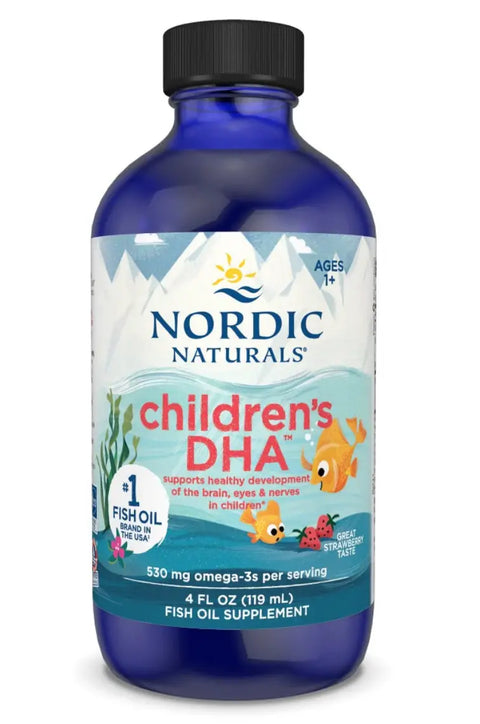
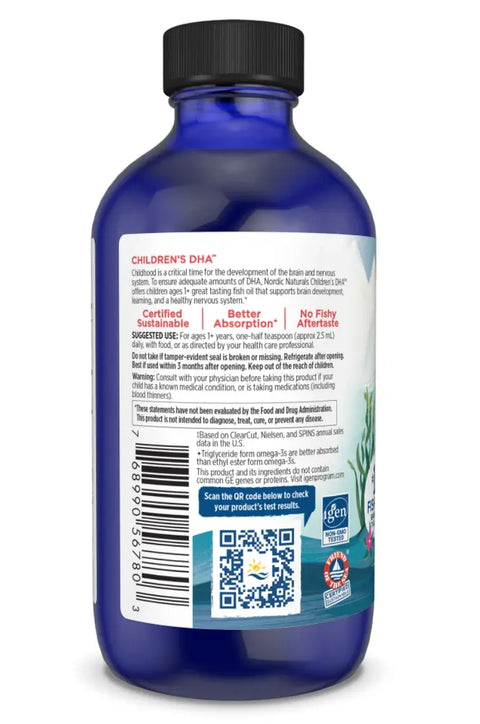
DHA Infantil 119ml Nordic Naturals - Viva Saudável
Sold Out
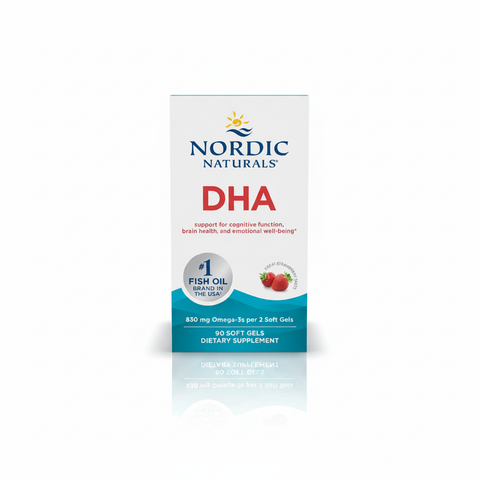
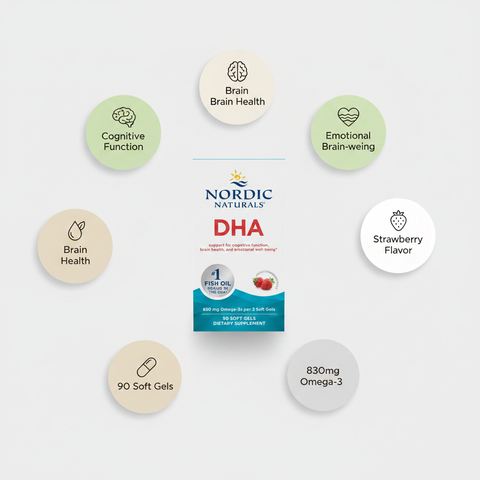
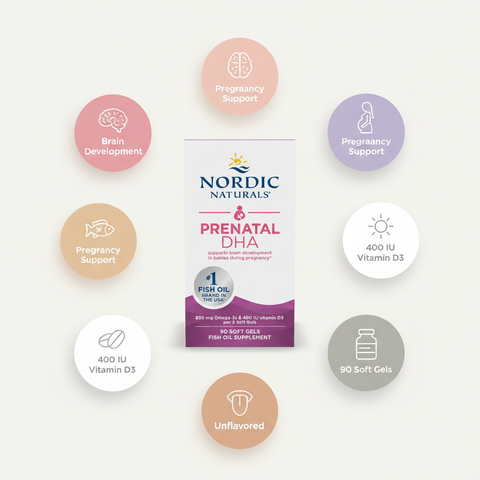
Nordic Naturals DHA - Hero Shot
Nordic Naturals DHA - Badges
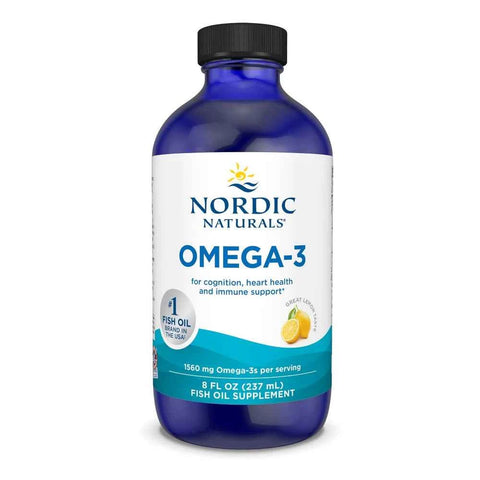
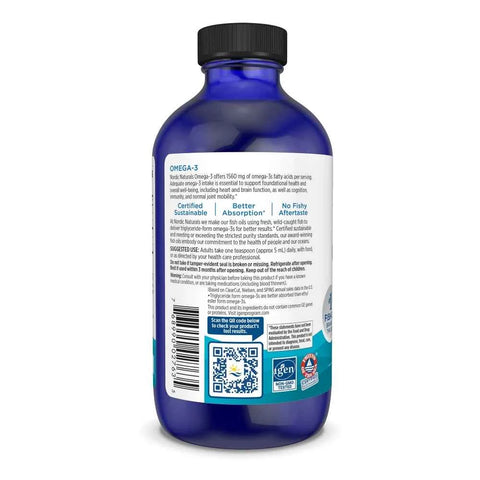
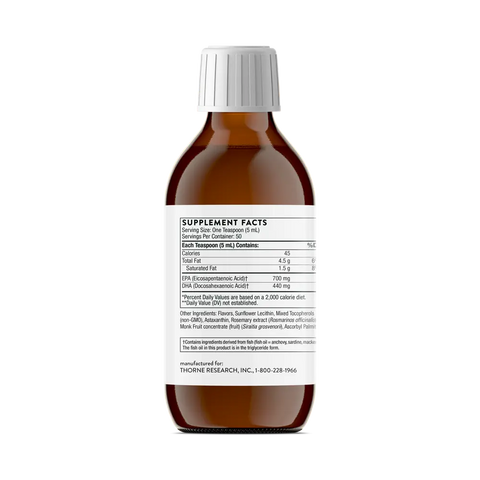
Omega 3 Líquido Nordic Naturals 237 ml - Viva Saudável
Sold Out
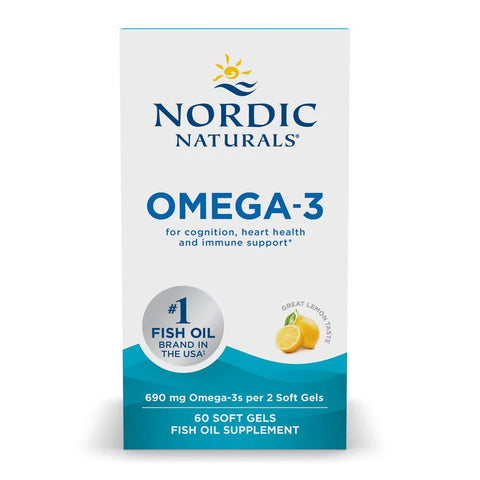
Omega-3 60 Caps Nordic Naturals - Viva Saudável
Imagem 1 — Hero Shot Premium
Imagem 2 — Produto com Badges
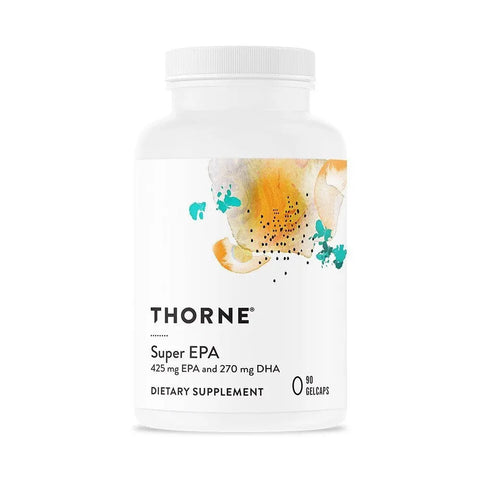
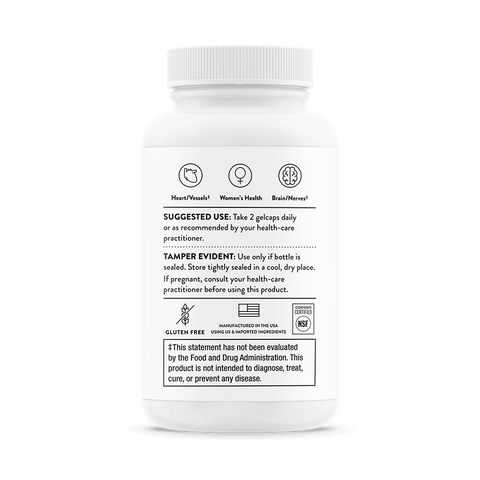
Super EPA Thorne 90 Caps - Viva Saudável
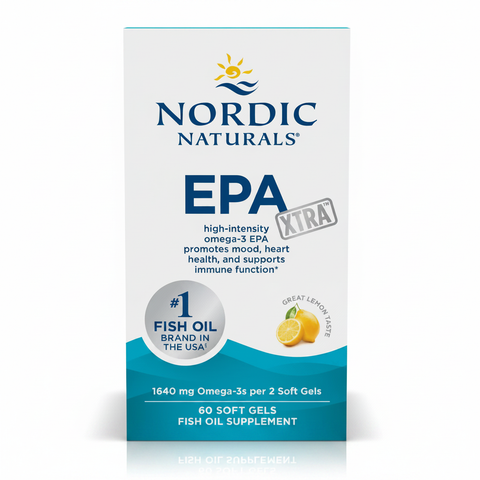
Nordic Naturals EPA Xtra - Hero Shot
Nordic Naturals EPA Xtra - Badges
Sold Out
Imagem 1 — Hero Shot
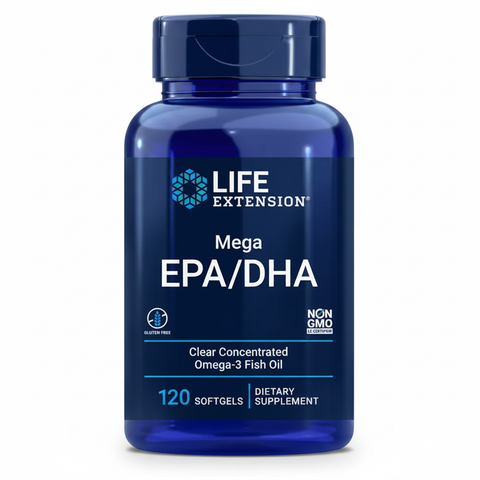
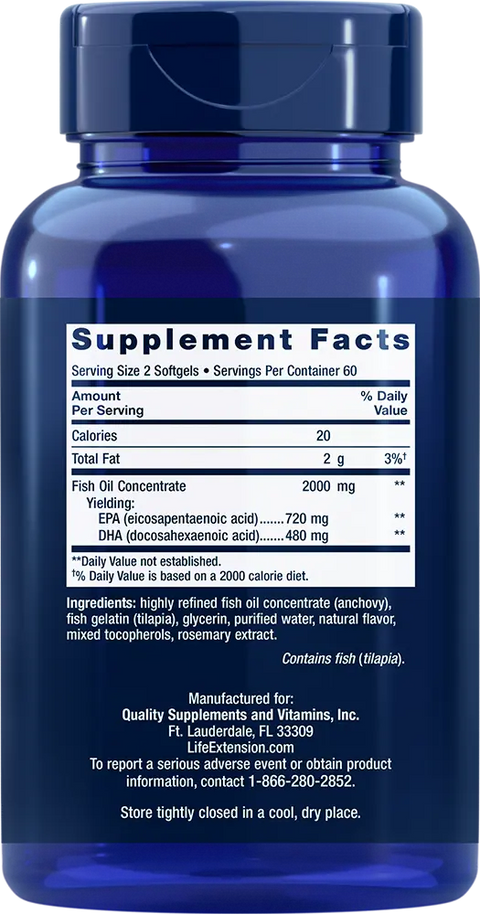
Mega EPA/DHA 120 Caps Lifextension - Viva Saudável
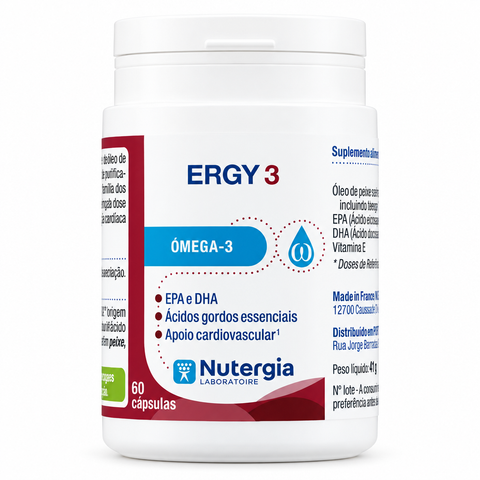
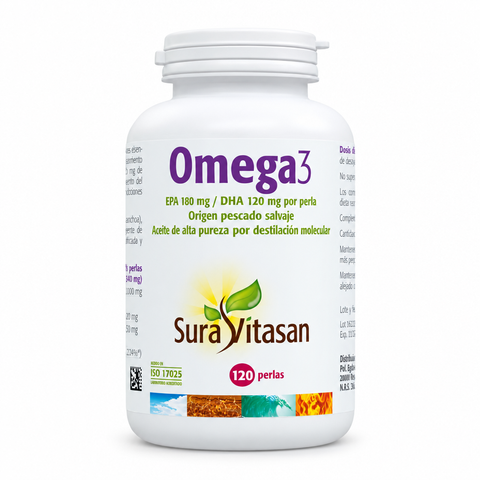
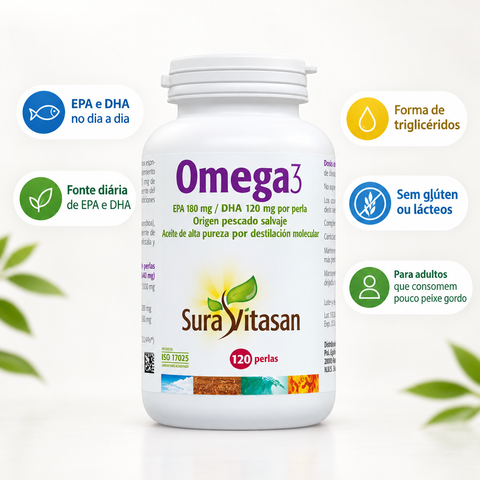
Ómega 3 SuraVitasan, produto original
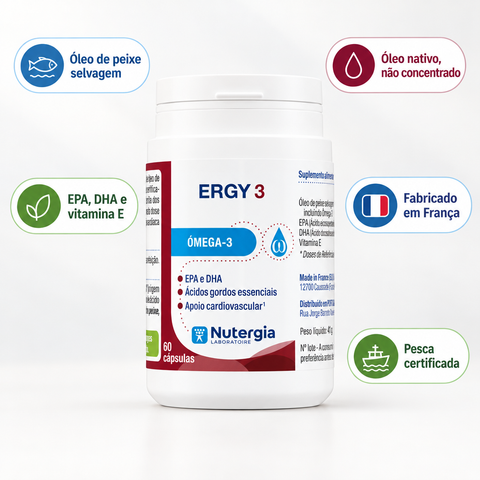
Ómega 3 SuraVitasan com badges

4.6/5 — nota média de 216 avaliações de clientes aos produtos desta página

How to choose your omega-3

With over 50 omega-3 supplements on this page, the choice may seem difficult. These five criteria help you find the one most suitable for you.

1. Check the mg of EPA + DHA, not the mg of oil

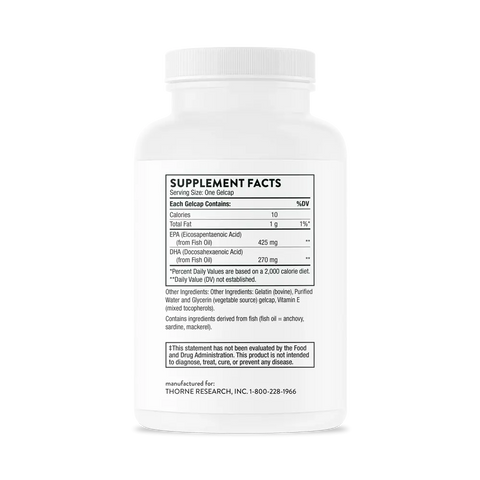
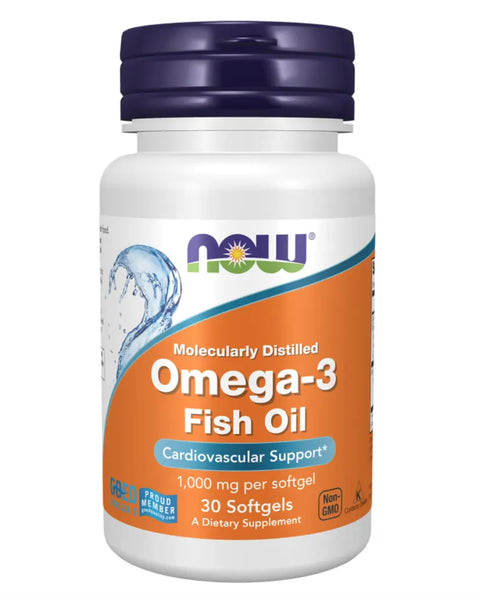
A "1000 mg fish oil" capsule may contain only 300 mg of omega-3. What matters is the sum of EPA and DHA in the daily doseindicated on the label. High-potency concentrates provide more omega-3 with fewer capsules.

2. Choose the ratio: balanced, EPA-rich, or DHA-rich

  • Balanced(EPA and DHA in similar amounts): the most common choice for daily use. EPA and DHA contribute to the normal function of the heart (with 250 mg per day).
  • EPA-rich: formulas like Super EPA or EPA-Xtra, for those looking for more EPA per dose.
  • DHA-rich: DHA contributes to the maintenance of normal brain function and vision (with 250 mg per day). There are specific versions for children and pregnancy.

3. The source: fish, cod liver, krill, or algae

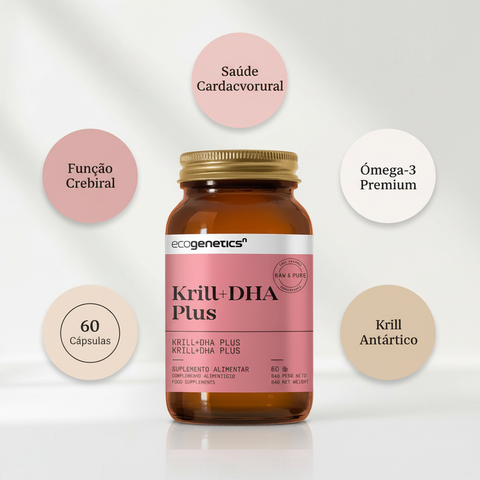
Fish oil allows for the highest concentrations. Cod liver oil adds naturally occurring vitamins A and D. Krill provides phospholipids and astaxanthin, with less EPA+DHA per capsule. Microalgae are the vegan option.

4. The format: capsules, liquid, or chewables

Capsules are convenient and tasteless. Liquid oil allows for higher doses in a single spoonful and is useful for those who do not like swallowing capsules; once opened, store it in the refrigerator. Gummies and chewable capsules are designed for children: observe the minimum age indicated on the label.

5. Purity and freshness

A good omega-3 is purified to reduce heavy metals and other contaminants, and monitored for oxidation. Independent certifications, such as IFOS, publish these results by batch. Store the product in a cool place away from light.

Perguntas frequentes

Qual é a diferença entre EPA e DHA?
São os dois principais ácidos gordos ómega 3 de cadeia longa. O EPA e o DHA contribuem para o funcionamento normal do coração (com uma ingestão diária de 250 mg de EPA+DHA). O DHA contribui ainda para a manutenção da função cerebral normal e da visão normal (com 250 mg de DHA por dia). A maioria das fórmulas combina os dois; há também fórmulas concentradas em EPA (como o Super EPA) e em DHA (como o DHA 500).
Quanto ómega 3 devo tomar por dia?
Depende do objetivo, e deve seguir sempre a toma indicada no rótulo. Como referência: 250 mg de EPA+DHA por dia contribuem para o funcionamento normal do coração; 2 g por dia contribuem para a manutenção de níveis normais de triglicéridos no sangue; 3 g por dia contribuem para a manutenção de uma pressão arterial normal. Não exceda 5 g de EPA+DHA por dia. Para saber quanto recebe, some o EPA e o DHA indicados na dose diária do produto, e não os mg totais de óleo.
Triglicéridos ou ésteres etílicos: qual a diferença?
São as duas formas mais comuns do ómega 3 concentrado. A forma de triglicéridos (natural ou re-esterificada) é a mais próxima da que existe no peixe. Os ésteres etílicos resultam do processo de concentração e são mais baratos de produzir. A forma costuma estar indicada no rótulo ou na ficha do produto; marcas como a Nordic Naturals usam triglicéridos.
Óleo de peixe, óleo de fígado de bacalhau ou krill: qual escolher?
O óleo de peixe é a fonte mais comum e a que permite concentrações mais altas de EPA e DHA. O óleo de fígado de bacalhau fornece também vitaminas A e D naturalmente presentes, pelo que convém somar essas quantidades se já toma outros suplementos com estas vitaminas. O óleo de krill traz o ómega 3 ligado a fosfolípidos e contém astaxantina, mas normalmente tem menos EPA+DHA por cápsula.
Existe ómega 3 para veganos?
Sim. O ómega 3 vegan é extraído de microalgas, a mesma fonte de onde os peixes obtêm o seu EPA e DHA. É uma alternativa sem ingredientes de origem animal, adequada para quem segue uma alimentação vegana ou vegetariana ou prefere evitar o peixe.
Posso tomar ómega 3 na gravidez e na amamentação?
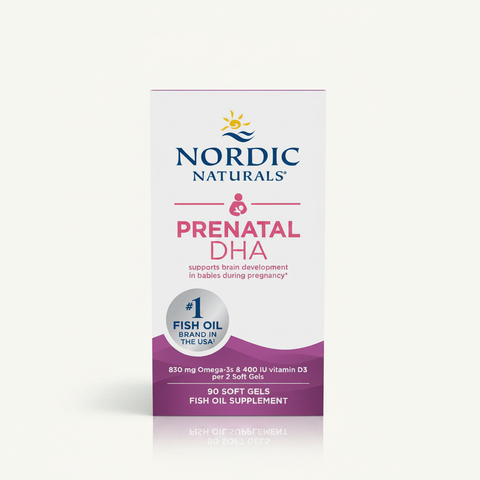
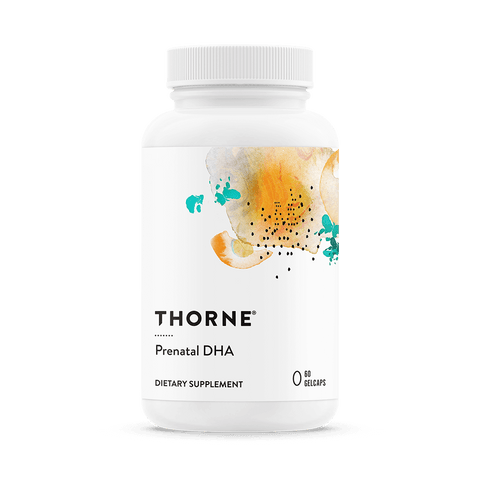
O consumo materno de DHA contribui para o desenvolvimento normal do cérebro e dos olhos do feto e dos lactentes amamentados. O efeito obtém-se com 200 mg de DHA por dia, além da dose diária recomendada de ómega 3 para adultos (250 mg de EPA+DHA). Existem fórmulas próprias para esta fase, como o Prenatal DHA. Fale sempre com o seu médico antes de iniciar qualquer suplemento durante a gravidez.

Veja também

Do nosso blog

Food supplements are not a substitute for a varied and balanced diet or a healthy lifestyle. If you are pregnant or breastfeeding, consult your doctor before taking this supplement. Not recommended in case of hypersensitivity or allergy to any of the ingredients in the formulation, or when interactions between another product and any of its constituents are described. The recommended daily dose should not be exceeded. Keep out of the reach and sight of children. Store in a cool, dry place, away from light.