






Thyroid

Thyroid: Nutritional Support for Thyroid Function and Metabolic Balance

The thyroid gland is one of the main regulators of human metabolism. Located at the front of the neck, it produces the thyroid hormones T3 (triiodothyronine) and T4 (thyroxine), which influence virtually all body tissues — from heart rate and body temperature to energy metabolism, cognitive function, and bone health. When thyroid function is compromised — due to essential micronutrient deficiencies, chronic oxidative stress, or other factors — the entire metabolic balance can be significantly affected. Supplementation with specific nutrients can be a relevant complementary nutritional approach, always integrated into a varied and balanced diet and guided by a healthcare professional.

The Viva Saudável thyroid supplement collection brings together a careful selection of products from internationally renowned brands, formulated with high-purity raw materials and proven bioavailability. Each product has been chosen based on the scientific rigor of its formulations, so you can make informed and safe decisions in support of your thyroid function.


What happens in the body regarding thyroid function?

The production of thyroid hormones is a physiological process that critically depends on the availability of specific micronutrients. Iodine is the indispensable structural substrate for the synthesis of T3 and T4 — each T4 molecule contains four iodine atoms, while T3 contains three. Iodine uptake by the thyroid is regulated by TSH (thyroid-stimulating hormone), produced by the pituitary gland in response to circulating thyroid hormone levels, in a highly precise negative feedback mechanism.

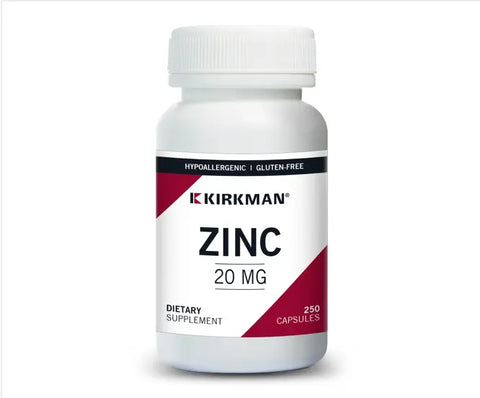
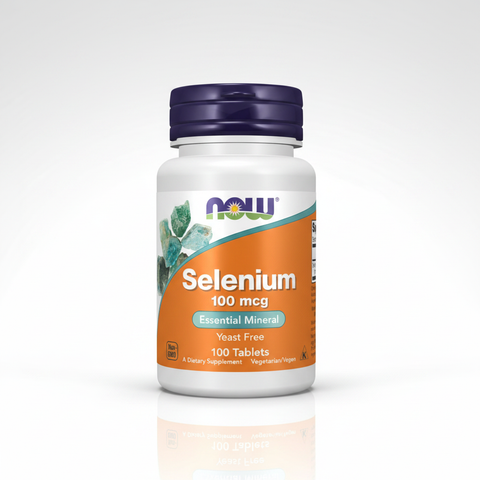
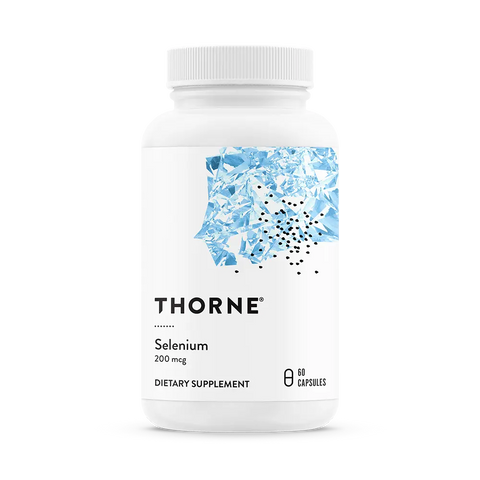
Selenium plays an equally fundamental role: it contributes to the normal functioning of the thyroid — an EFSA-approved claim — through its incorporation into selenoproteins such as iodothyronine deiodinase, an enzyme responsible for converting T4 (inactive form) into T3 (metabolically active form). Zinc contributes to the normal functioning of the thyroid — an EFSA-approved claim — by participating in the synthesis and action of thyroid hormone receptors. Chronic oxidative stress at the level of thyroid tissue can compromise hormone production, making nutritional antioxidants particularly relevant in this context.


How nutrition can support thyroid function

A varied and balanced diet, rich in nutrient-dense foods — vegetables, legumes, nuts, seafood, fish, and lean meats — provides most of the micronutrients necessary for normal thyroid function. However, subclinical deficiencies of iodine, selenium, and zinc are relatively common in Western populations, potentially subtly compromising the production and conversion of thyroid hormones.

Iodine contributes to the normal production of thyroid hormones and to the normal functioning of the thyroid — an EFSA-approved claim. Selenium contributes to the normal functioning of the thyroid and to the protection of cells from oxidative stress — EFSA-approved claims with special relevance for thyroid tissue, which is naturally exposed to high levels of hydrogen peroxide during hormone synthesis. Zinc also contributes to the normal functioning of the thyroid — an EFSA-approved claim. Vitamin D3, widely studied in the context of the immune system and metabolic health, is often used in integrated nutritional approaches to thyroid support.

The approach should always be personalized, taking into account the individual hormonal profile, current medication, and monitoring by a doctor or endocrinologist.


Key ingredients in thyroid supplements

Iodine — contributes to the normal production of thyroid hormones and to the normal functioning of the thyroid. Indispensable structural substrate for the synthesis of T3 and T4. Available in forms such as potassium iodide or from certified seaweed sources.

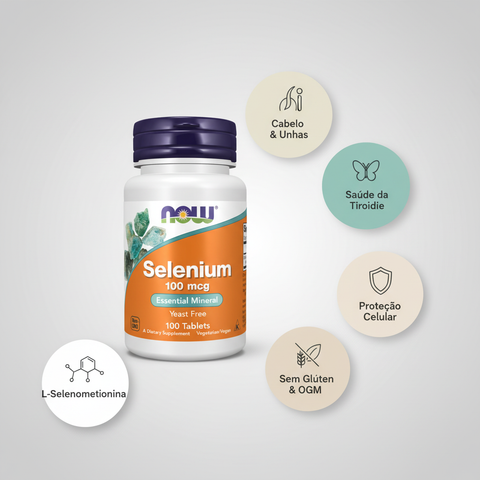
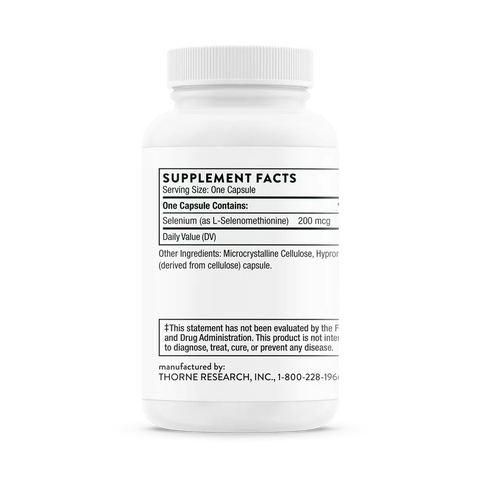
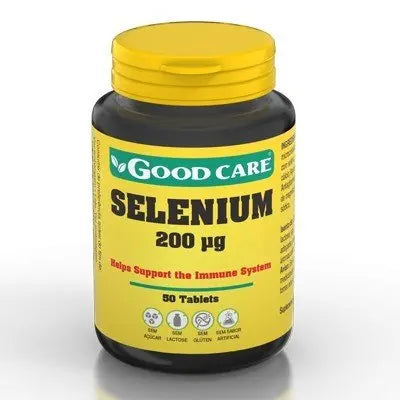
Selenium — contributes to the normal functioning of the thyroid and to the protection of cells from oxidative stress. Essential cofactor of selenoproteins involved in the conversion of T4 to T3. Notable forms: selenomethionine and sodium selenite — selenomethionine has superior bioavailability and is the reference form in quality supplementation.

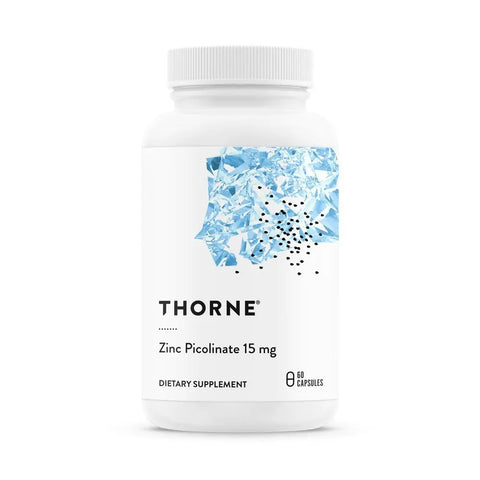
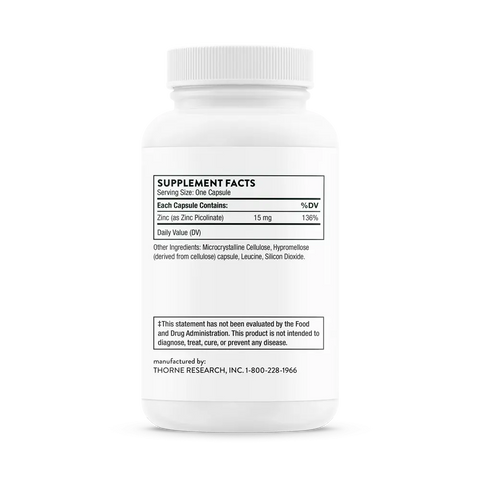
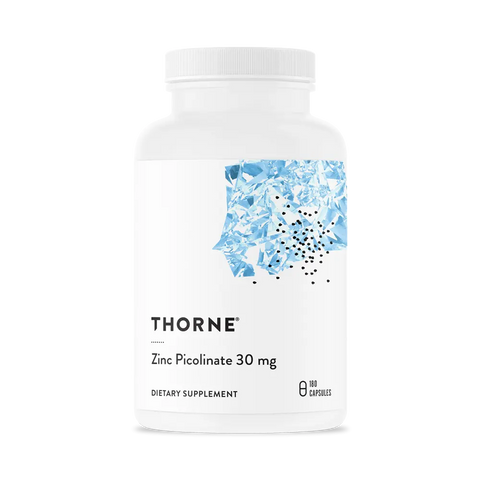
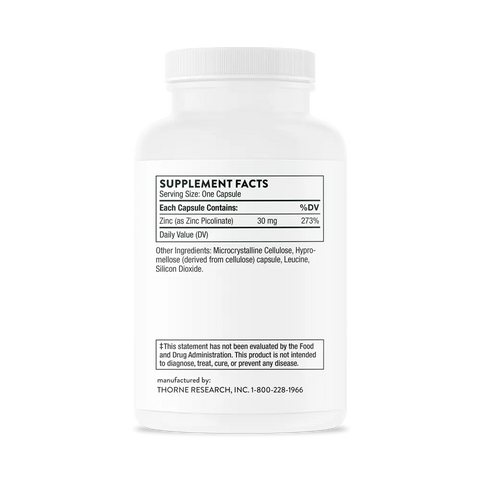
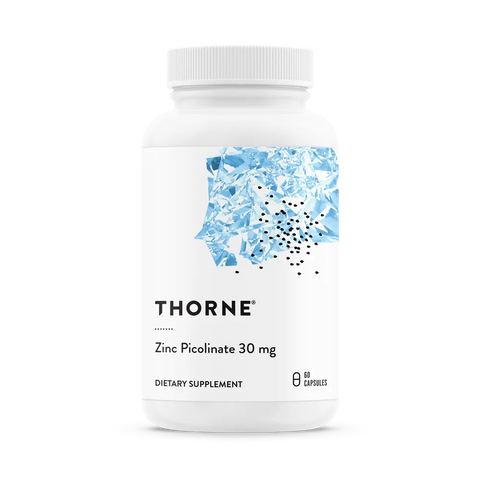
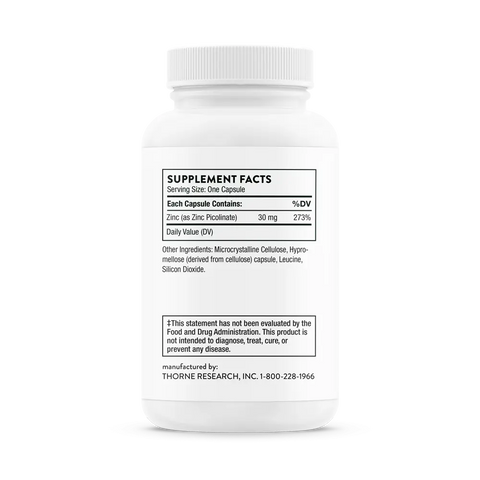
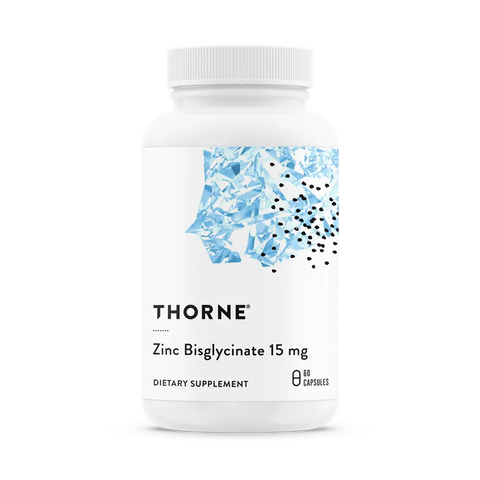
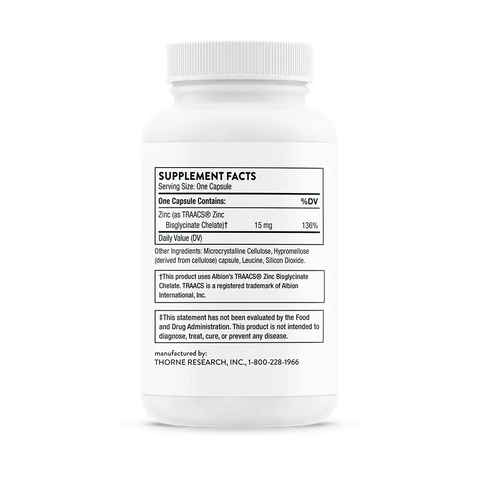
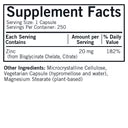
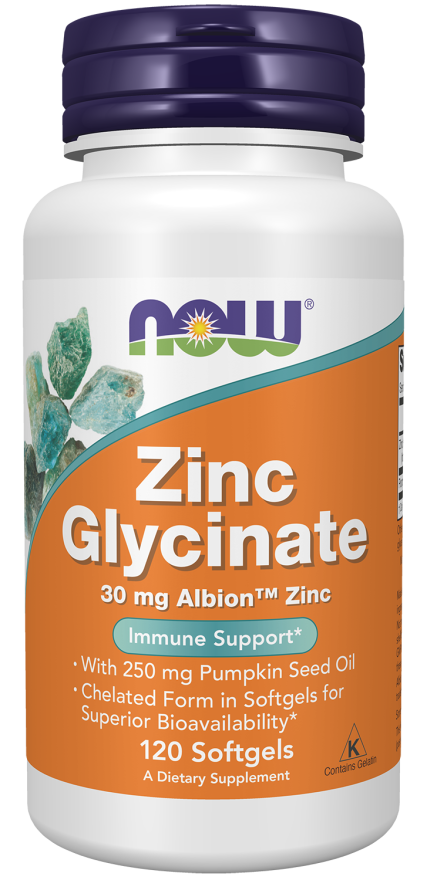
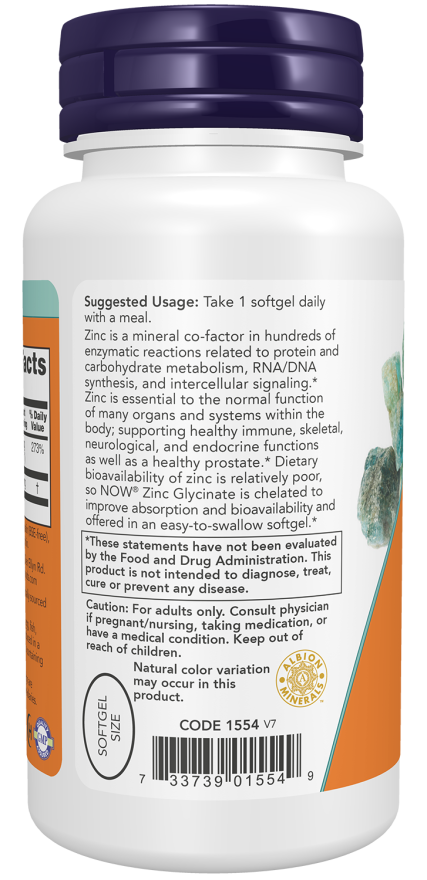
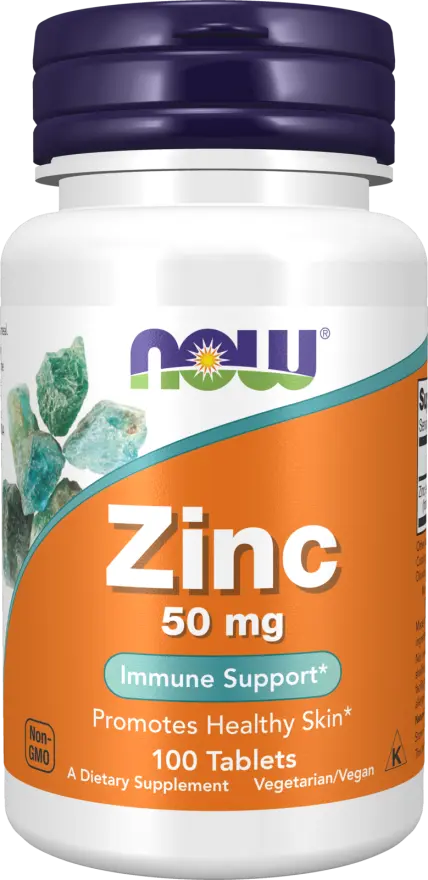
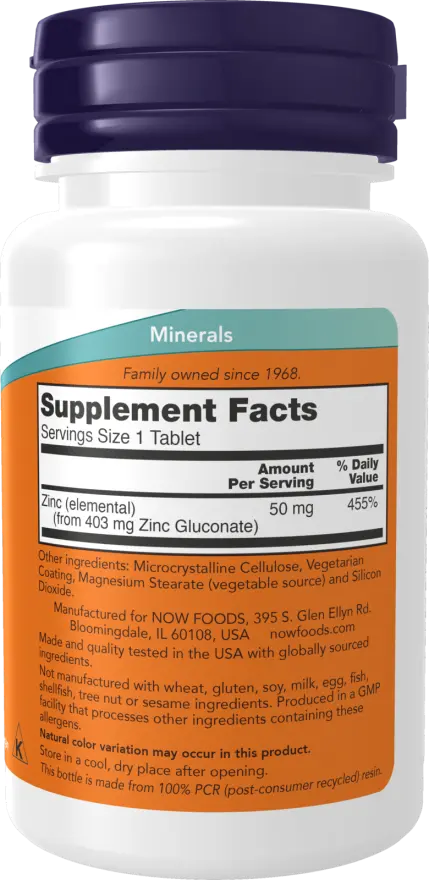
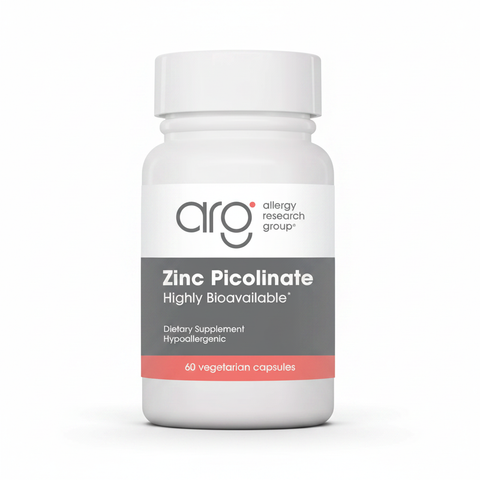
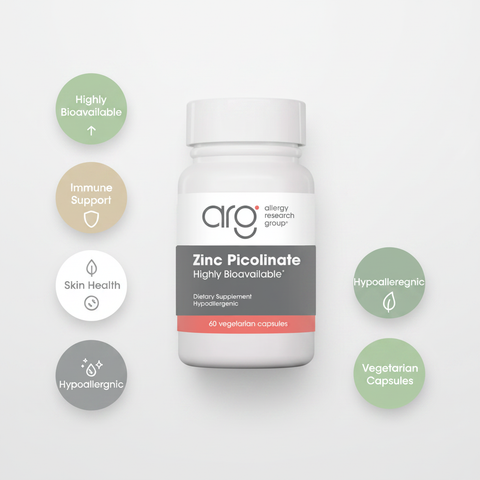
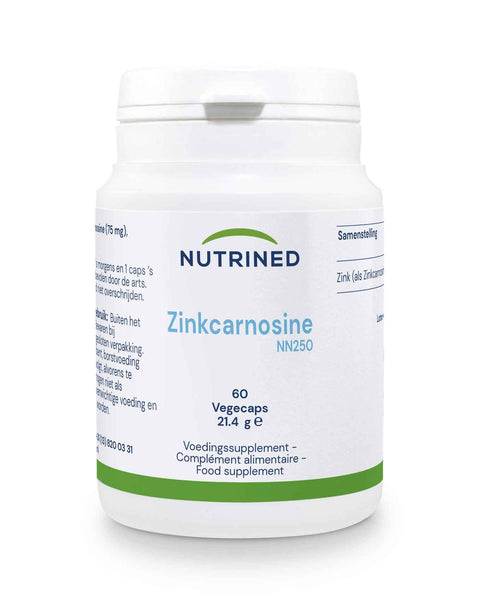
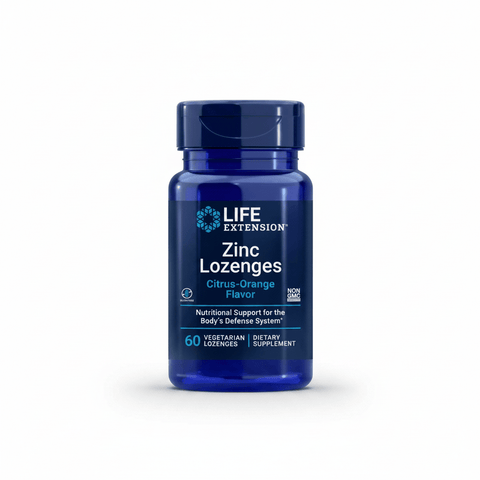
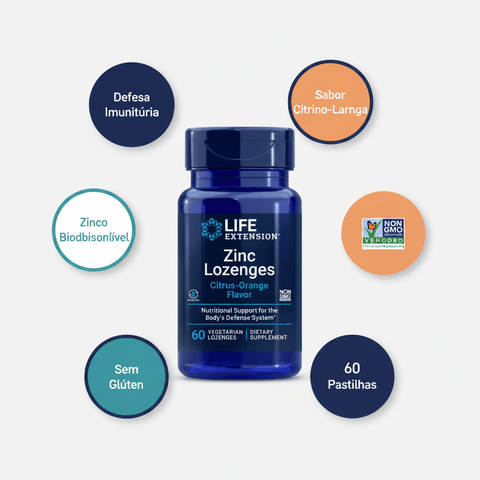
Zinc — contributes to the normal functioning of the thyroid, to the normal functioning of the immune system, and to the protection of cells from oxidative stress. Participates in the synthesis and activity of thyroid hormone receptors. Notable forms: zinc bisglycinate and zinc picolinate.

Vitamin D3 — contributes to the normal functioning of the immune system and to the maintenance of normal bones (EFSA-approved claims). Widely studied in the context of immune and metabolic support in individuals with autoimmune thyroid disorders. 

Vitamin B12 — contributes to the normal functioning of the nervous system and to normal energy metabolism. Frequently studied in the context of neurological and energy support in individuals with hypothyroidism. Notable forms: methylcobalamin and adenosylcobalamin — active forms with superior bioavailability to cyanocobalamin.

Magnesium — contributes to the normal functioning of the nervous system, to normal protein synthesis, and to the reduction of tiredness and fatigue. Widely studied in the context of thyroid hormone metabolism and general enzymatic function.

Iron — contributes to the normal transport of oxygen in the body and to the reduction of tiredness and fatigue. Thyroid peroxidase — a central enzyme in T4 synthesis — is an iron-dependent enzyme; iron deficiencies can compromise thyroid hormone synthesis. Notable forms: ferrous bisglycinate.

Ashwagandha (Withania somnifera) — a botanical adaptogen widely studied in the context of stress response and hormonal balance. 


How to choose a thyroid supplement

The selection of a supplement to support thyroid function requires particular attention to the chemical form of the active ingredients and the dosages used. In the case of selenium, selenomethionine is the form with the highest bioavailability and most studied safety profile — prefer products that specify the chemical form used and the dose in micrograms of elemental selenium. For iodine, it is important to ensure that the dose is adequate for individual needs, avoiding both deficiency and excess, which can also be harmful to thyroid function. For zinc, chelated forms such as bisglycinate or picolinate show superior absorption to inorganic salts.

Filter:

Brand
0 selected Reset
Availability
0 selected Reset
Prices
The highest price is 61,00€ Reset
From
To
Detailed ingredients
0 selected Reset

24 products

FAQs

Food supplements are not a substitute for a varied and balanced diet or a healthy lifestyle. If you are pregnant or breastfeeding, consult your doctor before taking this supplement. Not recommended in case of hypersensitivity or allergy to any of the ingredients in the formulation, or when interactions between another product and any of its constituents are described. The recommended daily dose should not be exceeded. Keep out of the reach and sight of children. Store in a cool, dry place, away from light.