Collagen: Improve Your Skin's Health and Beauty with Collagen for Skin

Collagen: Nutritional Support for Skin, Joints and Connective Tissue

Collagen is the most abundant protein in the human body – it accounts for about 30% of total protein mass and is the main structural component of skin, cartilage, tendons, ligaments, bones, and blood vessels. It is the support protein par excellence: it provides mechanical resistance, elasticity, and structural integrity to the connective tissues that support and protect the body. Its endogenous synthesis is a continuous but progressively less efficient process – collagen production begins to decline from the third decade of life at an estimated rate of 1 to 1.5% per year, with gradual and cumulative consequences on the integrity of the skin, joints, and skeleton. Supplementation with hydrolysed collagen peptides can be a relevant complementary nutritional approach, always integrated into a varied and balanced diet and guided by a healthcare professional.

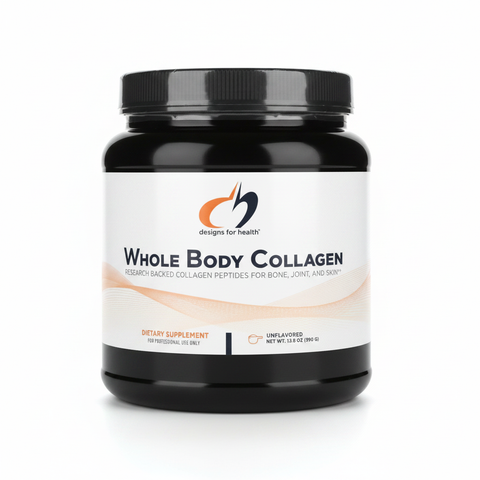
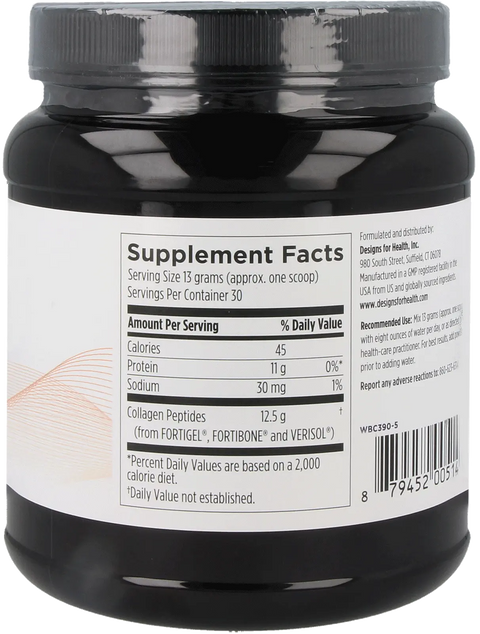
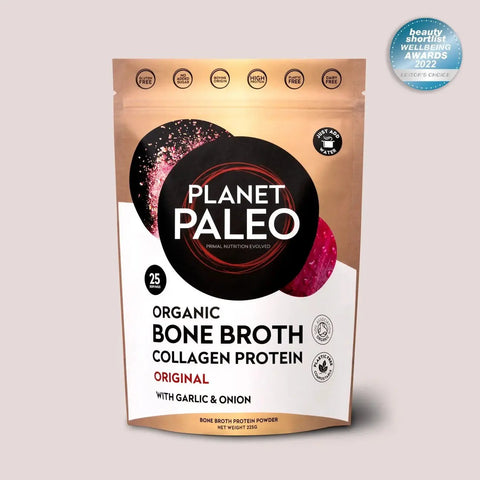
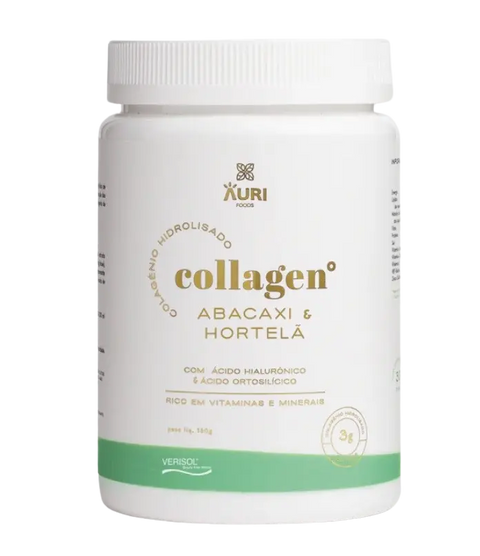
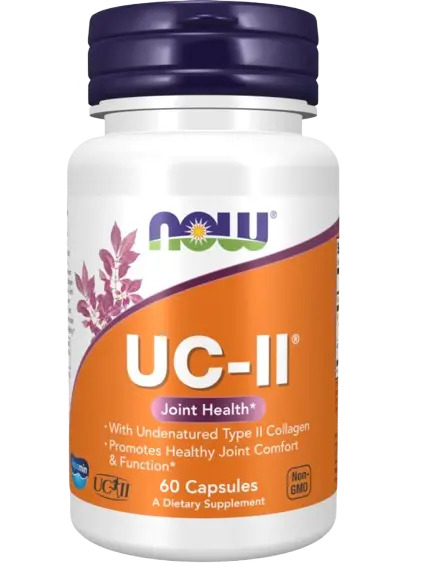
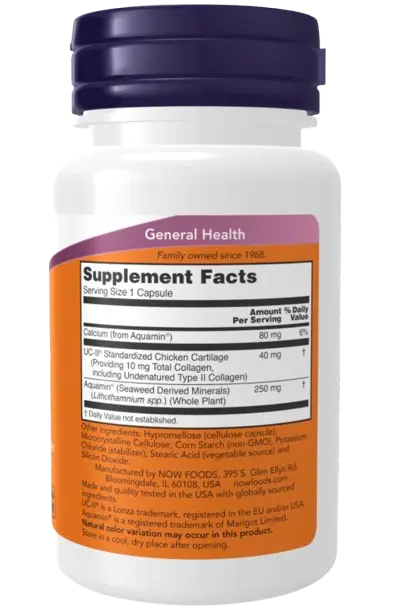
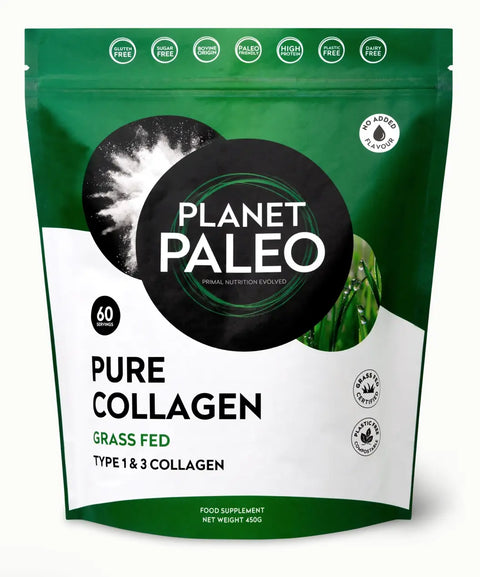
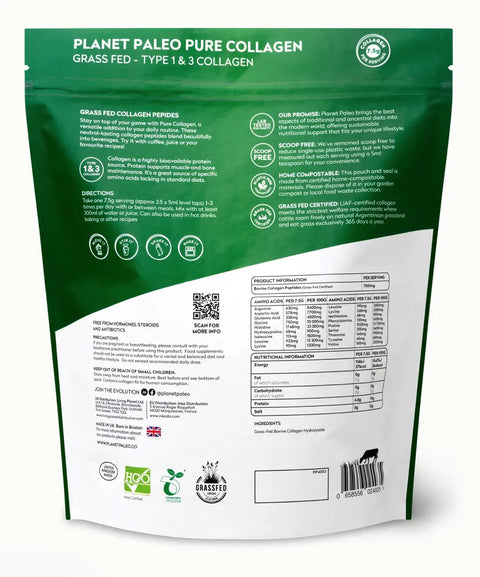
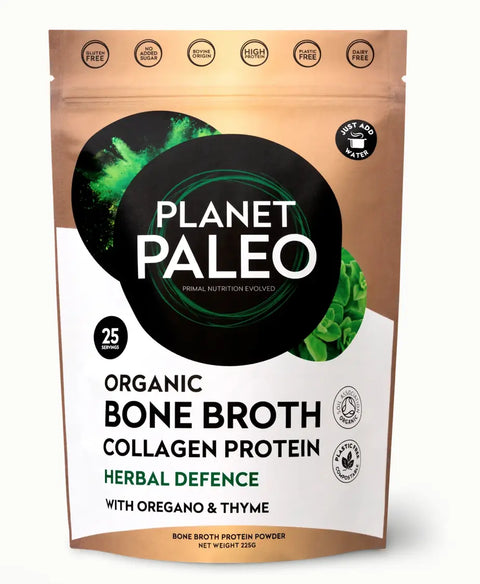
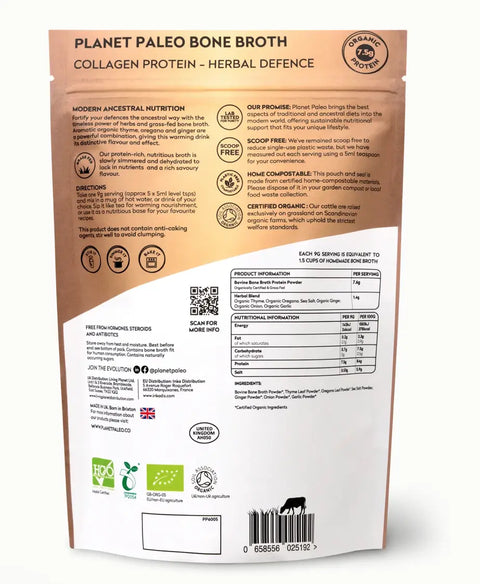
Viva Saudável's collagen collection brings together a careful selection of products from internationally renowned brands, formulated with highly bioavailable collagen peptides, certified traceability and proven purity. Each product has been chosen based on the scientific rigour of its formulations, so you can make informed and safe choices to support your structural and connective health.


What happens in the body during collagen decline?

Collagen synthesis is carried out by fibroblasts – specialized cells present in the dermis, cartilage and connective tissues – through a complex biochemical process that requires the availability of various nutritional cofactors, with particular emphasis on vitamin C. Vitamin C is essential for the hydroxylation of proline and lysine, amino acids essential for the stabilization of the collagen triple helix – without vitamin C, this structure does not form correctly. Vitamin C contributes to normal collagen formation for the normal function of skin, bones, cartilage, and blood vessels – an EFSA-approved claim that reflects this central biochemical role.

With ageing, fibroblast activity progressively decreases, cumulative exposure to UV radiation accelerates the degradation of dermal collagen fibres, and chronic oxidative stress compromises the structure of connective proteins. In the skin, this process manifests itself through a reduction in dermal thickness, loss of elasticity, and the appearance of expression lines. In the joints, the decline of type II collagen – the main component of the cartilaginous matrix – contributes to the progressive decrease in joint cushioning. In bones, type I collagen forms the organic matrix on which hydroxyapatite is deposited, being crucial for bone strength and flexibility.


How nutrition can support collagen synthesis

A diet rich in quality proteins – which provides the amino acid precursors of collagen, namely glycine, proline and hydroxyproline – and in micronutrient cofactors for its synthesis is the most solid nutritional basis to support endogenous collagen production. Supplementation with hydrolysed collagen peptides can complement this dietary basis, providing specific amino acids and dipeptides – such as Pro-Hyp and Hyp-Gly – which have been widely studied in the context of stimulating dermal fibroblasts and endogenous collagen synthesis.

Vitamin C contributes to normal collagen formation for the normal function of skin and cartilage – an EFSA-approved claim – being the most critical nutritional cofactor for collagen synthesis and should ideally be consumed together with collagen peptide supplementation. Zinc contributes to the maintenance of normal skin and the normal functioning of the immune system – EFSA-approved claims – participating in the regulation of fibroblast activity and collagen maturation. Copper contributes to the maintenance of normal connective tissue – an EFSA-approved claim – being a cofactor for lysyl oxidase, an enzyme essential for cross-linking collagen and elastin fibres. Manganese contributes to the normal formation of connective tissue – an EFSA-approved claim – participating in the synthesis of proteoglycans in the extracellular matrix.

How to choose a collagen supplement

The choice of a collagen supplement should consider the type of collagen, the degree of hydrolysis, the origin of the raw materials, and the presence of essential nutritional cofactors for endogenous synthesis. Choose collagen peptides with a molecular weight of less than 5000 Da – which have greater intestinal absorption and documented systemic bioavailability – and check if the product includes vitamin C in the formula or if it should be supplemented with a separate source of this nutrient. The origin of the collagen – bovine, marine, or porcine – determines the profile of available types and amino acids: marine collagen is particularly rich in type I peptides with high bioavailability; bovine collagen provides types I and III in relevant proportions for dermal and musculoskeletal support.

Filter:

Brand
0 selected Reset
Availability
0 selected Reset
Prices
The highest price is 85,00€ Reset
From
To
Detailed ingredients
0 selected Reset

10 products

FAQs

Food supplements are not a substitute for a varied and balanced diet or a healthy lifestyle. If you are pregnant or breastfeeding, consult your doctor before taking this supplement. Not recommended in case of hypersensitivity or allergy to any of the ingredients in the formulation, or when interactions between another product and any of its constituents are described. The recommended daily dose should not be exceeded. Keep out of the reach and sight of children. Store in a cool, dry place, away from light.