
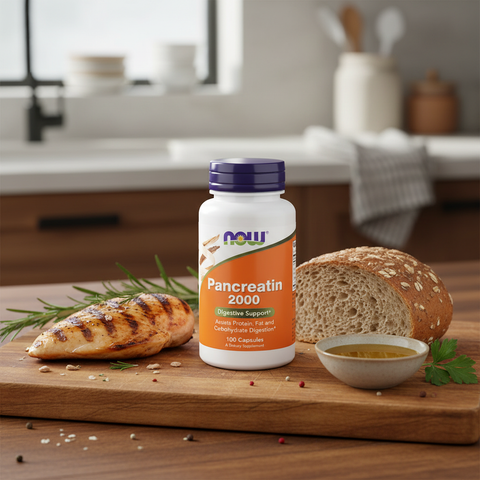
Digestive Enzymes

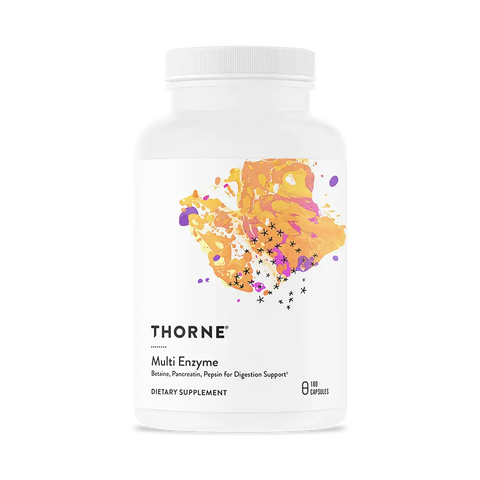
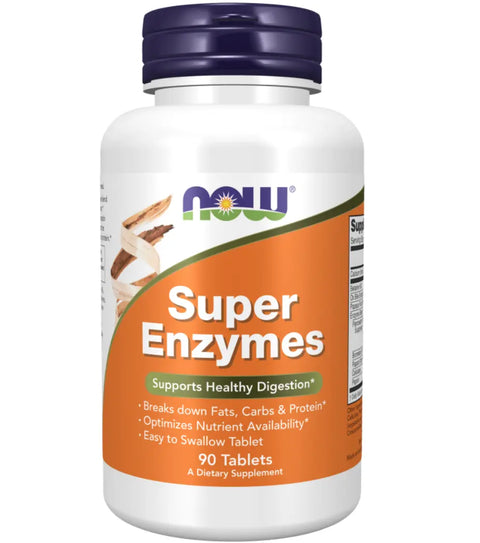
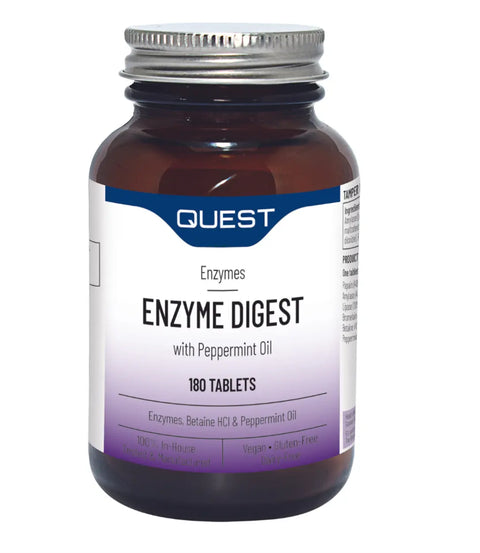
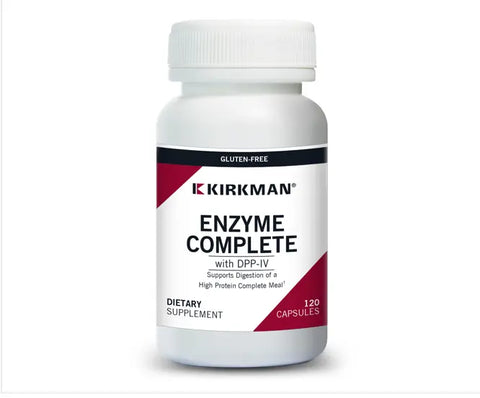
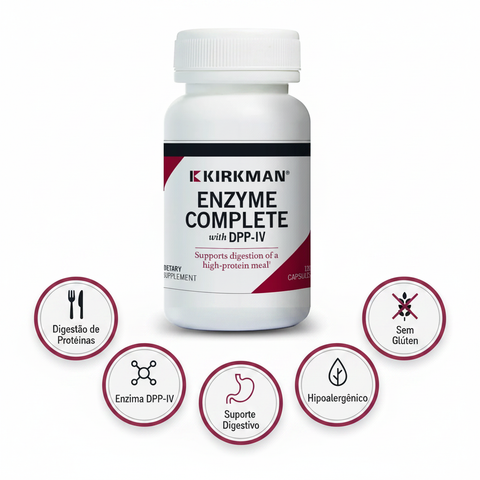
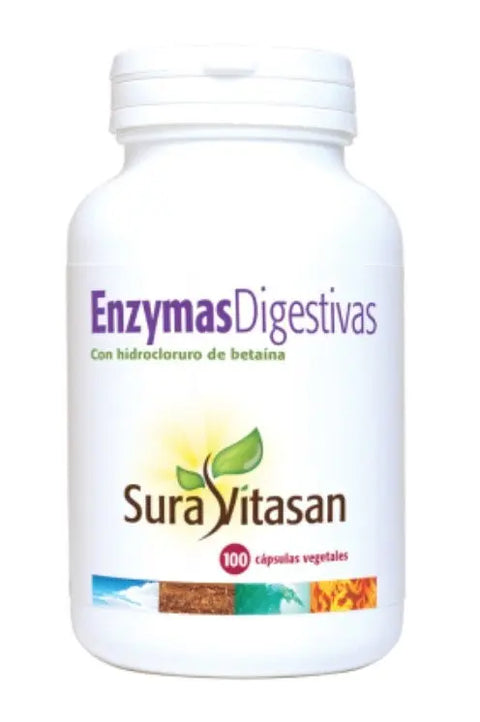
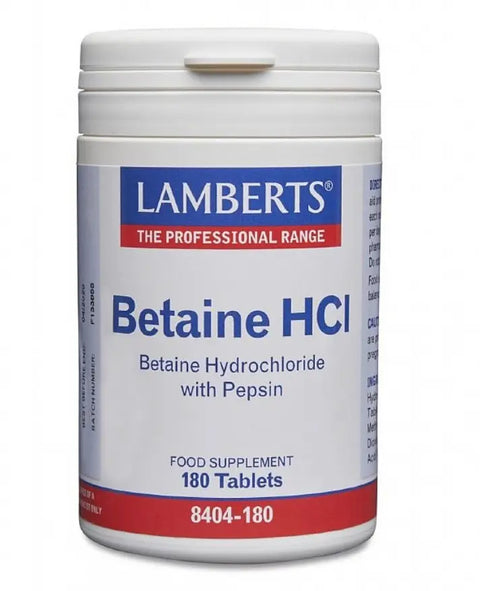
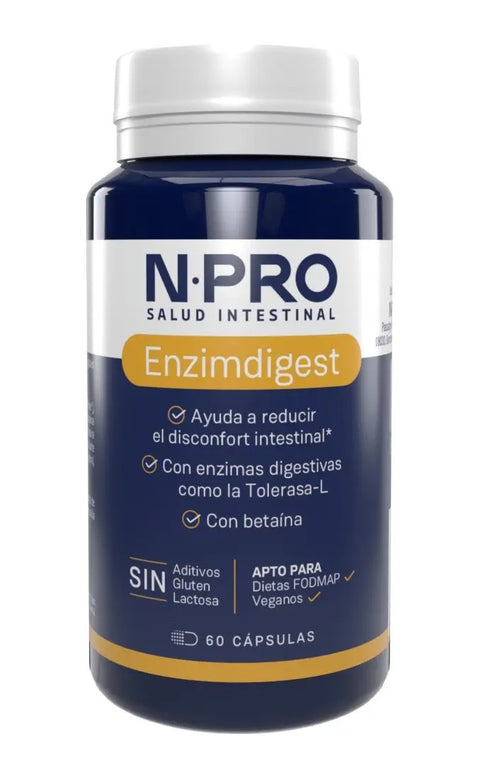
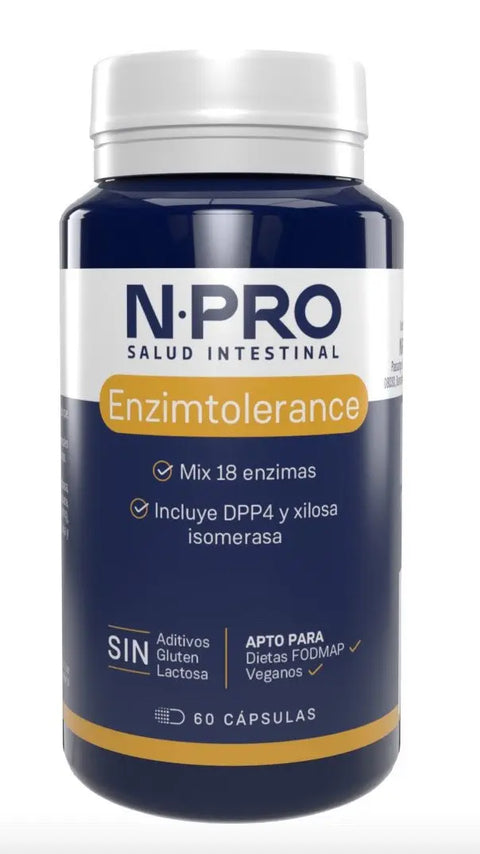
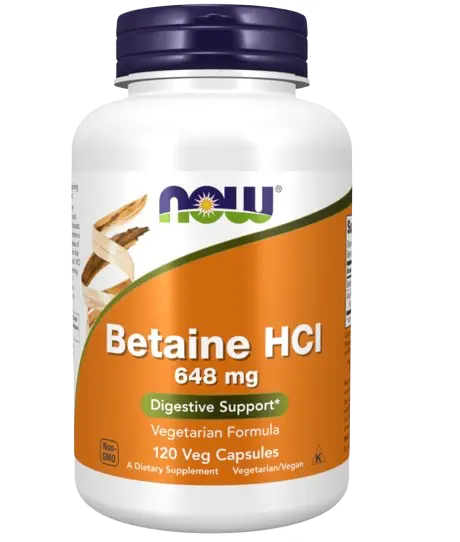
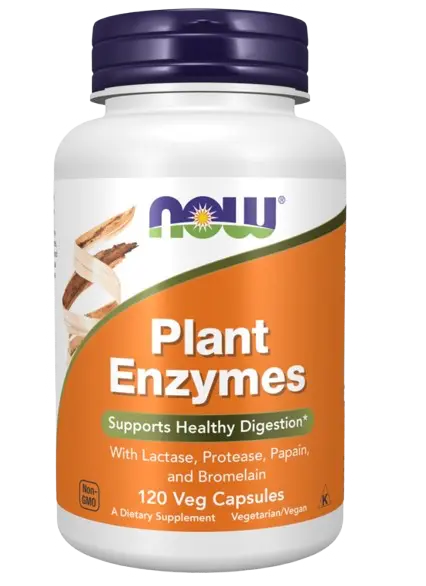
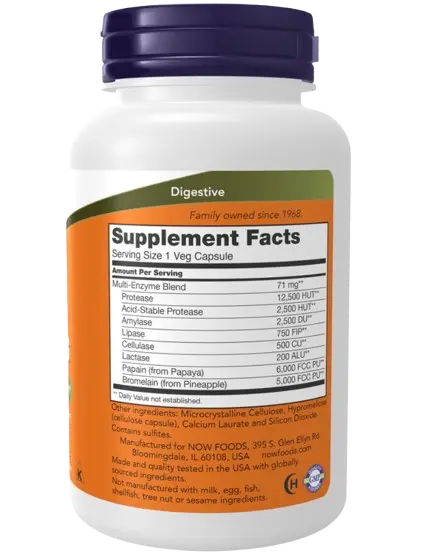
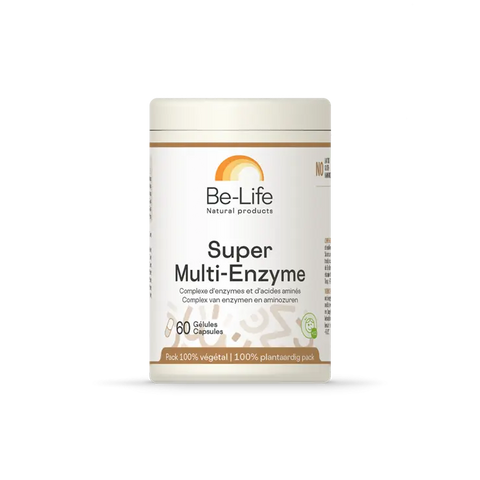
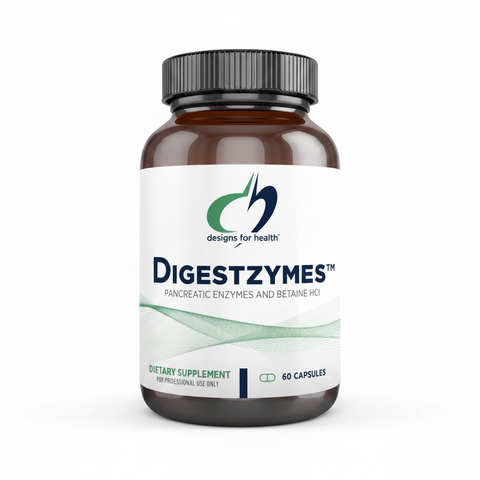
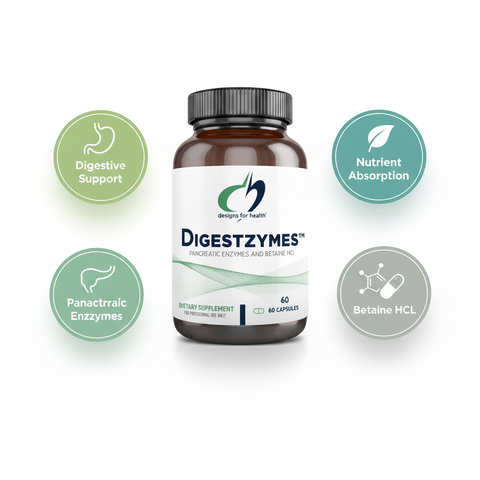
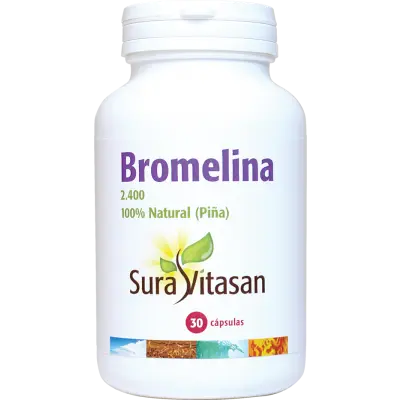
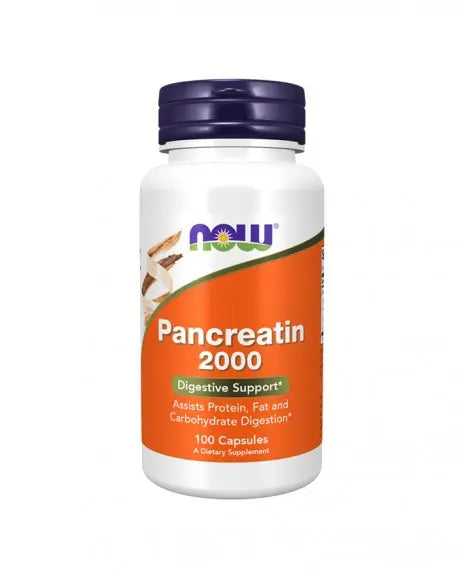
The Digestive Enzymes collection from Viva Saudável brings together supplements from brands such as Thorne, NOW Foods, Lamberts, Kirkman, Quest, Suravitasan, Npro, Be-Life, and Designs for Health. You will find broad-spectrum multi-enzyme formulas, specific enzymes like lactase, and products with betaine HCl and pepsin, in capsules and tablets.

What are digestive enzymes

Enzymes are proteins that catalyze chemical reactions. Human digestive enzymes are primarily produced by the pancreas, stomach, and small intestine, and they act upon macronutrients: proteases on proteins, lipases on fats, amylases on starches, and lactase on lactose.

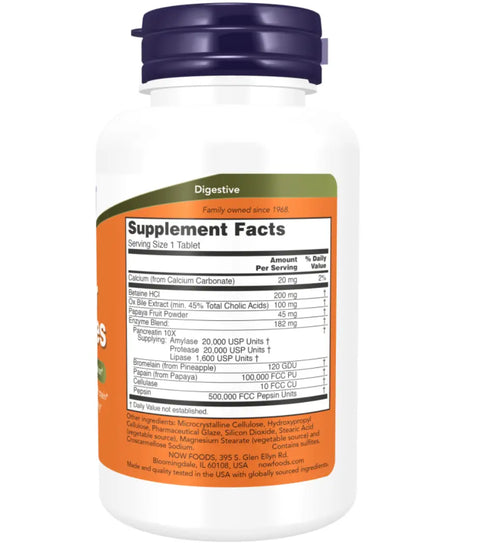
In supplements, enzymes are usually obtained through fungal fermentation—from Aspergillus, for example—or from plant sources, such as bromelain from pineapple and papain from papaya. Enzyme activity is not measured in milligrams but in functional units: FCC, DU, HUT, SAPU, and others, depending on the enzyme. This is why two products with the same milligram content can have very different activities.

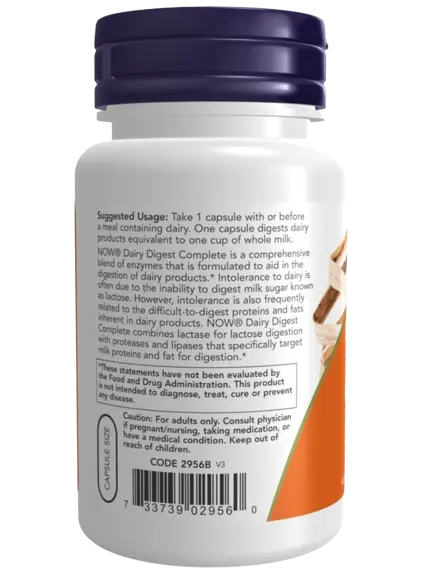
Lactase improves lactose digestion in individuals who have difficulty digesting lactose, with at least 4500 FCC units per dose taken with each meal containing lactose.

If you frequently experience digestive discomfort, speak to your doctor before supplementing: there are causes that can be identified through tests and that benefit from a clinical approach. In case of gastric ulcer, gastritis, or if taking medication for acidity, do not use products with betaine HCl without medical advice.

16 products

5.0/5 — nota média de 1 avaliações de clientes aos produtos desta página

How to choose your digestive enzymes

Enzyme supplements range from a single enzyme, such as lactase, to formulas with multiple enzymes and other ingredients. These five criteria will help you read labels and understand what distinguishes each product.

1. Single enzyme or broad-spectrum formula

  • Lactase: improves lactose digestion in individuals who have difficulty digesting lactose, with at least 4500 FCC units taken with each lactose-containing meal.
  • Multi-enzyme formulas: combine proteases, lipases, amylases, and other enzymes into a single capsule.
  • Plant-based enzymes: bromelain (from pineapple) and papain (from papaya), either alone or in combination.

2. Compare activity units, not milligrams

The strength of an enzyme is measured in activity units: FCC for lactase, HUT for proteases, DU for amylases, FIP or LU for lipases. Two products with the same milligrams can have very different activity levels, so always compare the same unit.

3. The source of the enzymes

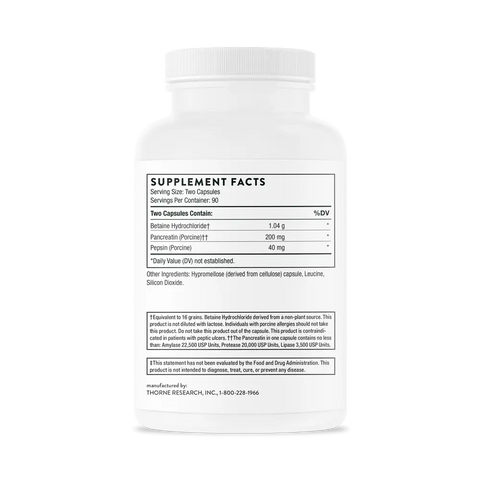
Most come from fungal fermentation (for example, from Aspergillus) or plants, and are suitable for a vegan diet. Pancreatin and pepsin are of animal origin. If you avoid animal-derived ingredients, check the label for the origin of the enzymes and the capsule material.

4. Betaine HCl and pepsin are another category

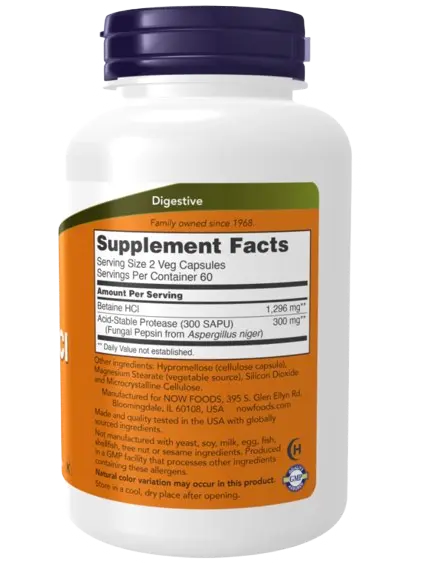
Some products on this page add betaine HCl (a source of hydrochloric acid) and pepsin. Do not use them without medical advice if you have an ulcer or gastritis, or if you take anti-inflammatories or acid-reducing medication.

5. How to take

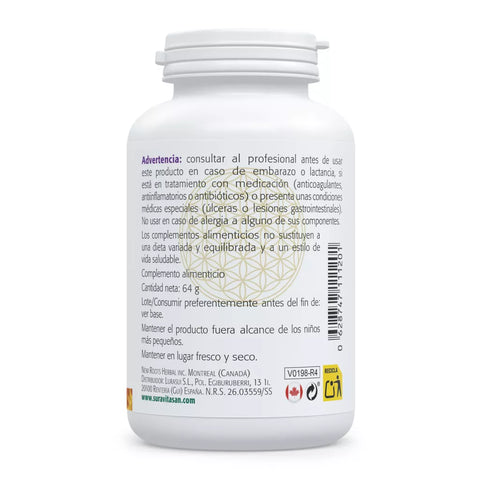
Digestive enzymes are generally taken at the beginning of a meal; always follow the label. Bromelain may interact with anticoagulants, and those with a pineapple or papaya allergy should avoid these enzymes. If you frequently experience digestive discomfort, speak to your doctor: there are causes that can only be identified through exams.

Perguntas frequentes

O que são enzimas digestivas?
São proteínas que decompõem os alimentos em partes mais pequenas: as proteases atuam sobre as proteínas, as lipases sobre as gorduras, as amilases sobre os amidos e a lactase sobre a lactose. O organismo produz as suas, sobretudo no pâncreas, no estômago e no intestino delgado. Nos suplementos, vêm habitualmente de fermentação fúngica ou de fontes vegetais.
Para que serve a lactase?
A lactase melhora a digestão da lactose em pessoas que têm dificuldade em digerir lactose. O efeito obtém-se com pelo menos 4500 unidades FCC, tomadas com cada refeição que contenha lactose. É a enzima mais estudada e a única com uma indicação tão precisa.
Porque é que os rótulos indicam unidades e não miligramas?
Porque o que interessa numa enzima é a atividade, não o peso. Cada enzima tem a sua unidade: FCC para a lactase, HUT para as proteases, DU para as amilases, FIP ou LU para as lipases, entre outras. Dois produtos com os mesmos miligramas podem ter atividades muito diferentes, por isso compare sempre a mesma unidade.
Quando devo tomar enzimas digestivas?
Em geral, no início da refeição, porque atuam sobre os alimentos que estão a ser digeridos. A lactase deve ser tomada com cada refeição que contenha lactose. Siga sempre o momento e a toma indicados no rótulo de cada produto.
As enzimas digestivas são vegan?
Muitas são: as enzimas de origem fúngica (por exemplo, de Aspergillus) e as vegetais, como a bromelina do ananás e a papaína da papaia, não têm origem animal. Já a pancreatina e a pepsina são de origem animal. Confirme também o material da cápsula no rótulo.
Quem deve ter cuidado com as enzimas digestivas?
Os produtos com betaína HCl ou pepsina não devem ser usados sem indicação médica por quem tem úlcera, gastrite ou toma anti-inflamatórios ou medicação para a acidez. A bromelina pode interagir com anticoagulantes, e quem tem alergia ao ananás ou à papaia deve evitar estas enzimas. Se está grávida, a amamentar ou tem desconforto digestivo frequente, fale com o seu médico.

Veja também

Do nosso blog

Food supplements are not a substitute for a varied and balanced diet or a healthy lifestyle. If you are pregnant or breastfeeding, consult your doctor before taking this supplement. Not recommended in case of hypersensitivity or allergy to any of the ingredients in the formulation, or when interactions between another product and any of its constituents are described. The recommended daily dose should not be exceeded. Keep out of the reach and sight of children. Store in a cool, dry place, away from light.