Anti-aging

Anti-Aging: Nutritional Support for Healthy Cellular Aging

Aging is a universal, progressive, and multifactorial biological process, determined by the interaction between individual genetics, lifestyle, and accumulated exposure to environmental factors throughout life. At a cellular level, aging manifests through mechanisms such as telomere shortening, the accumulation of oxidative damage to DNA and proteins, decreased mitochondrial efficiency, progressive dysfunction of autophagy mechanisms, and chronic low-grade inflammation—a phenomenon referred to in scientific literature as inflammaging. Supplementation with specific nutrients and bioactive compounds can be a complementary nutritional approach to healthy aging, always integrated with a varied and balanced diet, a regular exercise routine, and guidance from a healthcare professional.

Viva Saudável's anti-aging collection brings together a discerning selection of products from leading international brands, formulated with high-purity raw materials, proven bioavailability, and rigorous traceability. Each product has been carefully chosen based on the scientific rigor of its formulations, so you can make informed and evidence-based choices to support your healthy cellular aging.


What happens in the body during cellular aging?

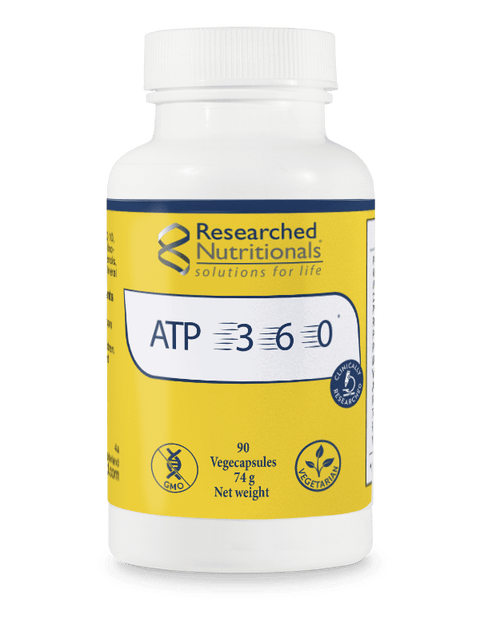
Cellular aging results from the progressive accumulation of molecular damage that exceeds the body's repair capacity. One of the central mechanisms is the decline in NAD⁺ (nicotinamide adenine dinucleotide) levels—a fundamental coenzyme for mitochondrial energy production and for the activity of longevity enzymes such as sirtuins and PARPs, involved in DNA repair. NAD⁺ levels progressively decrease with age, compromising cellular energy efficiency and oxidative stress response mechanisms.

Oxidative stress—an imbalance between the production of reactive oxygen species (ROS) and the body's antioxidant defenses—is another central driver of cellular aging. Vitamin C contributes to the protection of cells from oxidative stress, and vitamin E also contributes to the protection of cells from oxidative stress—both EFSA-approved claims that reflect the structural role of these nutrients in antioxidant defense. Selenium contributes to the protection of cells from oxidative stress and to the normal function of the immune system—an EFSA-approved claim also relevant in the context of aging.

The structural integrity of tissues also depends on the synthesis of collagen—the most abundant protein in the human body—which progressively decreases from the third decade of life. Vitamin C contributes to normal collagen formation for the normal function of the skin, blood vessels, bones, and cartilage—EFSA-approved claims with particular relevance in the context of dermal and musculoskeletal aging.


How nutrition can support healthy cellular aging

A nutrient-dense diet—rich in colorful vegetables, berries, healthy fats, quality protein, and low in refined sugars and ultra-processed foods—is the strongest foundation for supporting healthy cellular aging. Moderate caloric restriction and intermittent fasting are also extensively studied in the context of longevity and cellular autophagy. Supplementation with specific bioactive compounds can complement this strategy, always under the guidance of a healthcare professional.

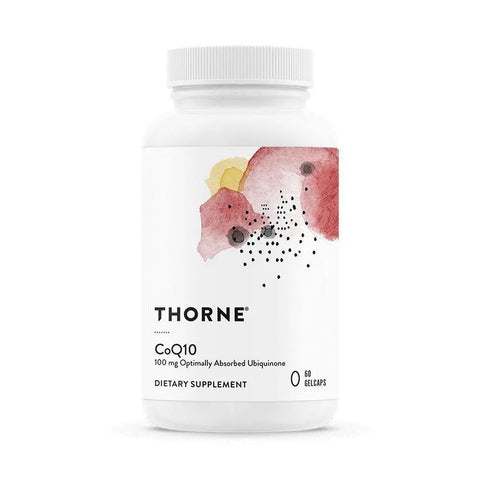
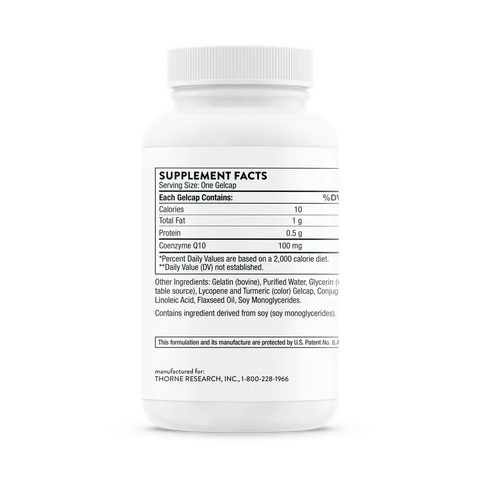
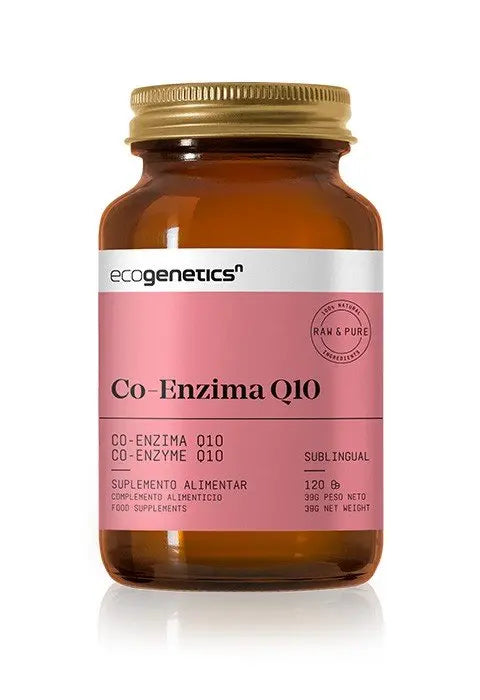
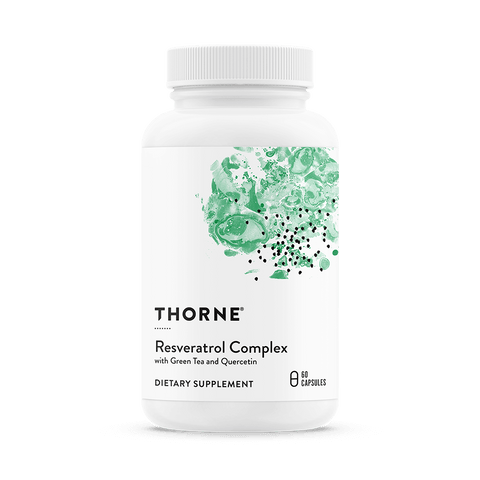
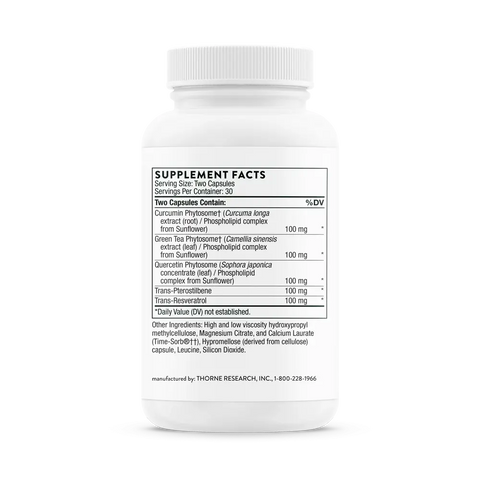
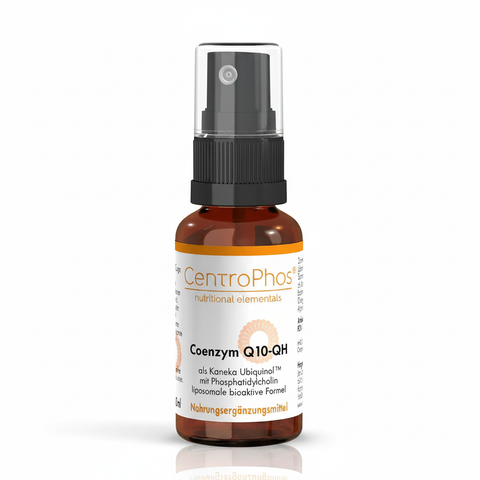
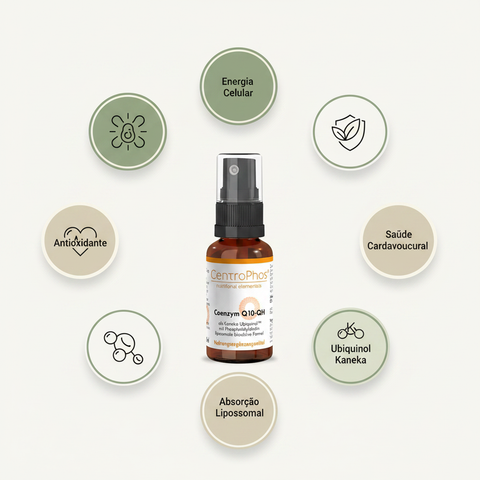
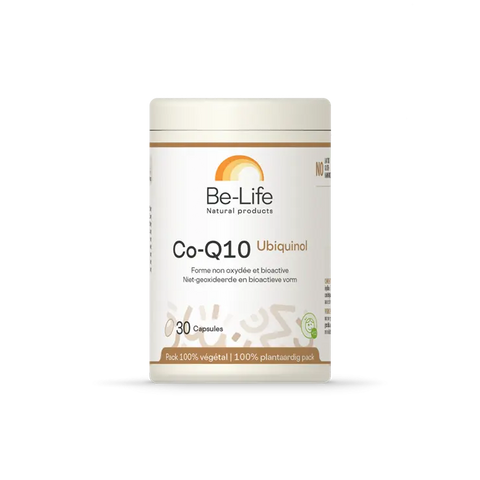
NMN (nicotinamide mononucleotide) and NR (nicotinamide riboside) are NAD⁺ precursors extensively studied in the context of mitochondrial support and cellular longevity, with growing research in animal models and human clinical trials. Resveratrol, a polyphenol found in grapes and berries, is widely studied in the context of sirtuin activation and vascular oxidative protection. Coenzyme Q10, a mitochondrial cofactor whose levels decrease with age, is traditionally used as a nutritional supplement in the context of cellular energy support. None of these compounds currently have an EFSA-approved claim for direct anti-aging effects—hence, neutral and informative language is always applied.

Vitamin D3 contributes to the normal function of the immune system and to the maintenance of normal bones—EFSA-approved claims—and is widely studied in the context of healthy aging and general metabolic health. Zinc contributes to the protection of cells from oxidative stress and to the normal function of the immune system—EFSA-approved claims with particular relevance in the context of immune aging.

Filter:

Brand
0 selected Reset
Availability
0 selected Reset
Prices
The highest price is 95,00€ Reset
From
To
Detailed ingredients
0 selected Reset

9 products

FAQs

Food supplements are not a substitute for a varied and balanced diet or a healthy lifestyle. If you are pregnant or breastfeeding, consult your doctor before taking this supplement. Not recommended in case of hypersensitivity or allergy to any of the ingredients in the formulation, or when interactions between another product and any of its constituents are described. The recommended daily dose should not be exceeded. Keep out of the reach and sight of children. Store in a cool, dry place, away from light.