
Cardiovascular Health

Cardiovascular Health: Nutritional Support for the Heart and Circulation

The heart is an organ of incessant contraction — it beats around 100,000 times a day, pumping blood through more than 96,000 kilometres of blood vessels. Cardiovascular health depends on a dynamic balance between multiple physiological systems: cardiac function, vascular integrity, lipid profile, electrolyte balance, and systemic inflammatory state. Factors such as diet, sedentary lifestyle, smoking, chronic stress, and genetic predisposition influence this balance throughout life. Supplementation with specific nutrients can be a relevant complementary nutritional approach, when integrated into a varied and balanced diet and monitored by a healthcare professional.

Viva Saudável's collection of cardiovascular health supplements brings together a discerning selection of products from internationally renowned brands, formulated with high-purity and high-bioavailability raw materials. Each product has been carefully chosen based on the scientific rigour of its formulations, so you can make informed and safe choices to support your cardiovascular health.


What happens in the body in the context of cardiovascular health?

Cardiovascular function rests on three fundamental physiological pillars: efficient contraction of the heart muscle, elasticity and integrity of the vascular wall, and the fluidity and proper composition of circulating blood. The heart muscle — the myocardium — is one of the tissues with the highest energy consumption in the body, depending on the continuous production of mitochondrial ATP. Any deficiency in the cofactors involved in cellular bioenergetics can compromise cardiac function in the long term.

At the vascular level, the endothelium — the single cell layer lining the inside of blood vessels — plays a central role in regulating vascular tone, coagulation, and local inflammatory response. Chronic oxidative stress and low-grade inflammation are associated with endothelial dysfunction, contributing to progressive changes in the arterial wall. Vitamin C contributes to normal collagen formation for the normal function of blood vessels — an EFSA-approved claim that reflects the structural role of this nutrient in vascular integrity. Omega-3 EPA and DHA contribute to the maintenance of normal blood pressure and to the maintenance of normal blood triglyceride levels, with daily doses of 3g and 2g of EPA+DHA, respectively.


How nutrition can support cardiovascular health

A Mediterranean-pattern diet — rich in vegetables, legumes, nuts, extra virgin olive oil and fatty fish, and low in saturated fats, sodium and ultra-processed foods — remains the nutritional intervention with the strongest evidence in the context of cardiovascular health. Supplementation with specific nutrients can complement this dietary foundation, always under the guidance of a healthcare professional.

Long-chain omega-3 fatty acids EPA and DHA are among the most widely studied nutrients in the cardiovascular context, with EFSA-approved claims for maintaining normal triglyceride levels and normal blood pressure. Coenzyme Q10 is an essential mitochondrial cofactor for cellular energy production, traditionally used as a nutritional supplement in the context of cardiac metabolic support. Magnesium contributes to the normal functioning of the nervous system and normal muscle function, including the heart muscle — being one of the most relevant minerals in the cardiovascular context. Vitamin K2, widely studied in the context of bone and vascular health, is frequently used in combination with vitamin D3 in integrated nutritional approaches to the cardiovascular system. Resveratrol and other plant-derived polyphenols are widely studied in the context of vascular oxidative protection.


Key ingredients in cardiovascular health supplements

Omega-3 fatty acids (EPA and DHA) — EPA and DHA contribute to the maintenance of normal blood triglyceride levels (2 g/day) and to the maintenance of normal blood pressure (3 g/day). Available in highly bioavailable forms such as re-esterified triglycerides (rTG).

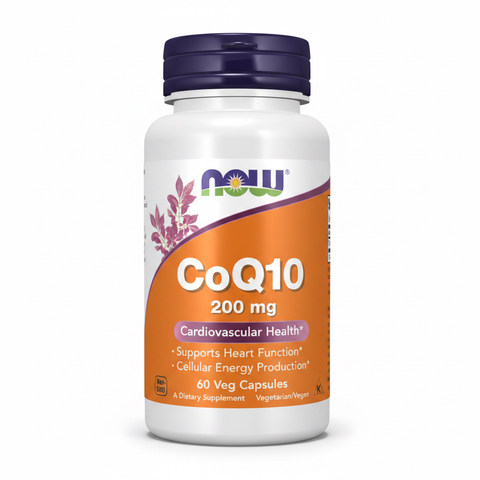
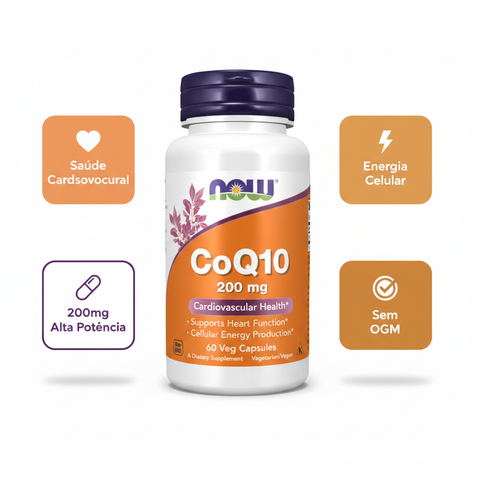
Coenzyme Q10 (ubiquinone and ubiquinol) — mitochondrial cofactor essential for cellular ATP production, with particular relevance for the myocardium. Traditionally used as a nutritional supplement in the context of cardiovascular metabolic support. Ubiquinol is the active and reduced form, with superior bioavailability to ubiquinone in older individuals.

Magnesium — contributes to the normal functioning of the nervous system, normal muscle function, and the reduction of tiredness and fatigue. Widely studied in the context of cardiovascular support and electrolyte balance. Key forms: bisglycinate, malate, and threonate magnesium.

Vitamin C — contributes to normal collagen formation for the normal function of blood vessels and to the protection of cells from oxidative stress. Relevant for the structural integrity of the vascular endothelium.

Vitamin K2 (menaquinone MK-7) — widely studied in the context of vascular health and the regulation of calcium metabolism in soft tissues.

Vitamin D3 — contributes to the normal functioning of the immune system and the maintenance of normal bones. Widely studied in the context of cardiovascular support and general metabolism.

Resveratrol — a plant-derived polyphenol widely studied in the context of oxidative protection and vascular health.

L-Carnitine — an amino acid involved in the transport of long-chain fatty acids to the mitochondria, with a role in cellular energy metabolism. Widely studied in the context of cardiac metabolic support.

Niacin (vitamin B3) — contributes to normal energy metabolism and the normal functioning of the nervous system. Widely studied in the context of lipid profile and cardiovascular health.

Potassium — contributes to the maintenance of normal blood pressure and the normal functioning of the nervous and muscular systems. Essential for cardiac electrolyte balance.


How to choose a cardiovascular health supplement

Choosing a supplement for cardiovascular support should be based on rigorous criteria of quality, bioavailability, and suitability for the individual profile. Always check the chemical form of the active ingredient — the difference between ubiquinone and ubiquinol, or between different magnesium salts, can determine effective absorption by the body. The purity of raw materials, the absence of unnecessary additives, independent manufacturing certifications (NSF, GMP, USP), and traceability of the production chain are non-negotiable criteria, especially for those on cardiovascular medication.

Filter:

Brand
0 selected Reset
Availability
0 selected Reset
Prices
The highest price is 102,00€ Reset
From
To
Detailed ingredients
0 selected Reset

42 products

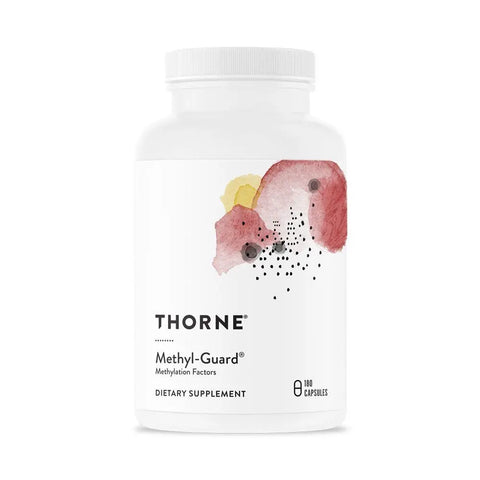
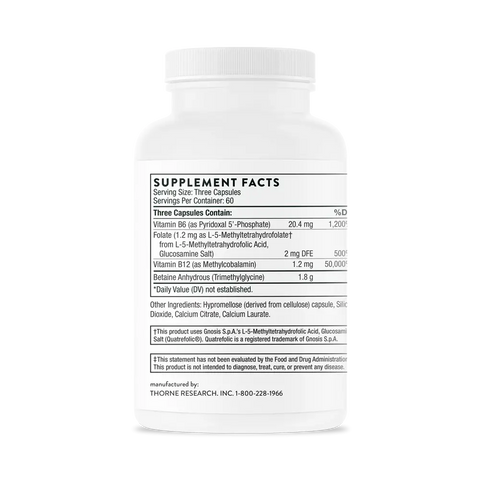
Methylguard 180 Caps Thorne Research - Viva Saudável
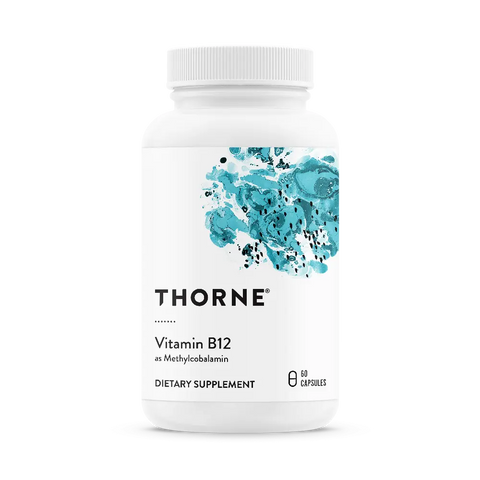
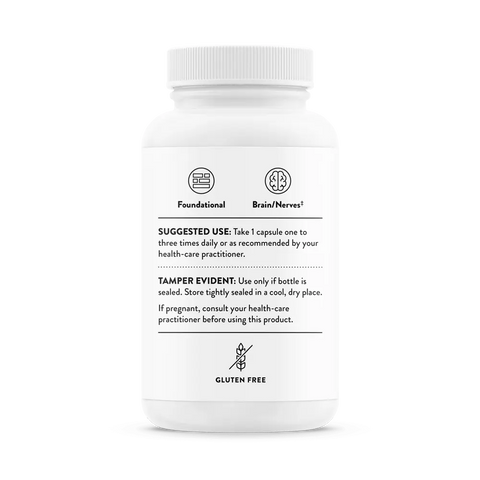
Vitamin B12 60 Caps Thorne Research - Viva Saudável
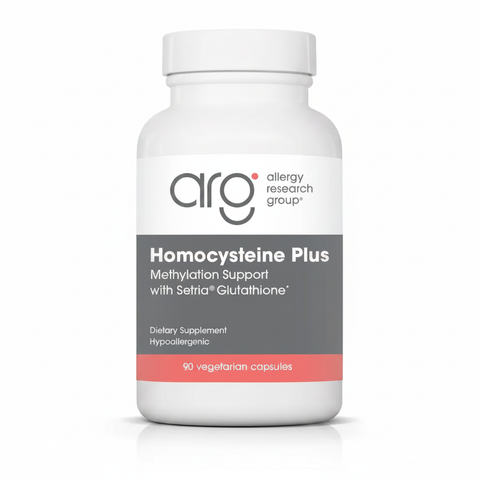
Homocysteine Plus With Setria™ Glutathione 90 caps - Viva Saudável
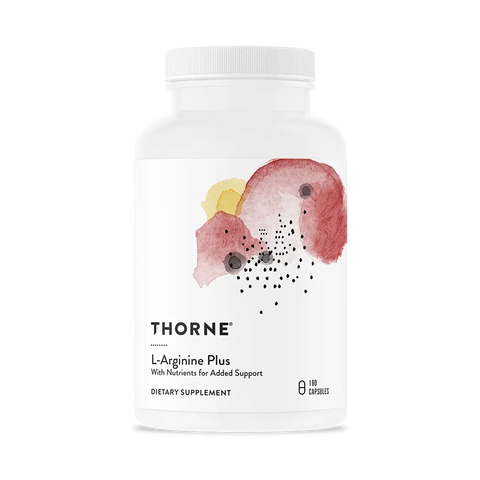
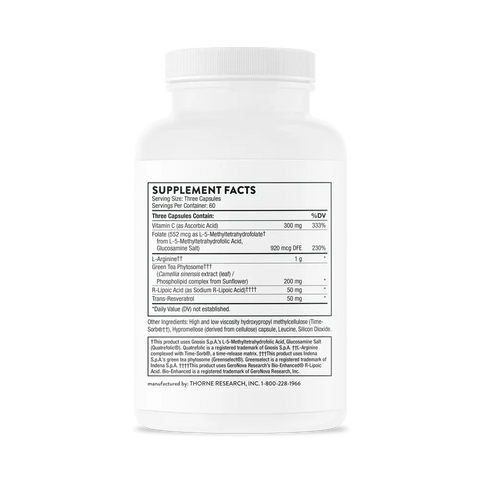
L-Arginine Plus 180 Caps Thorne - Viva Saudável
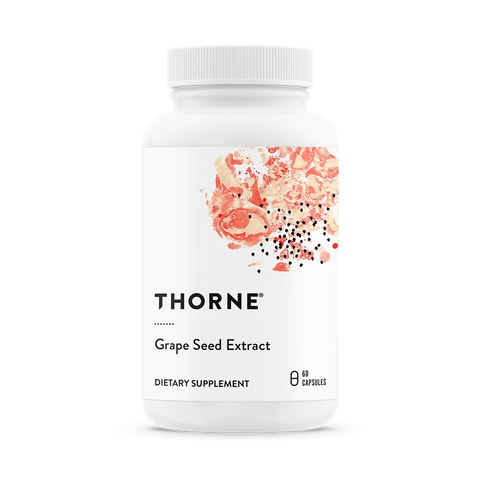
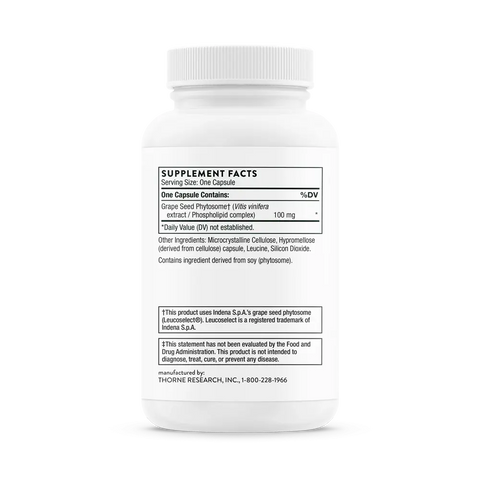
Grape Seed Extract  60 caps Thorne - Viva Saudável
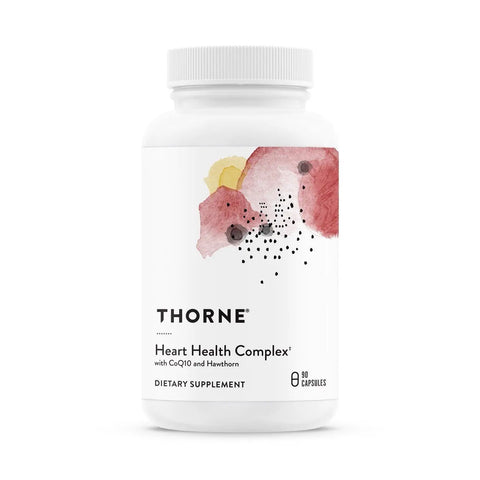
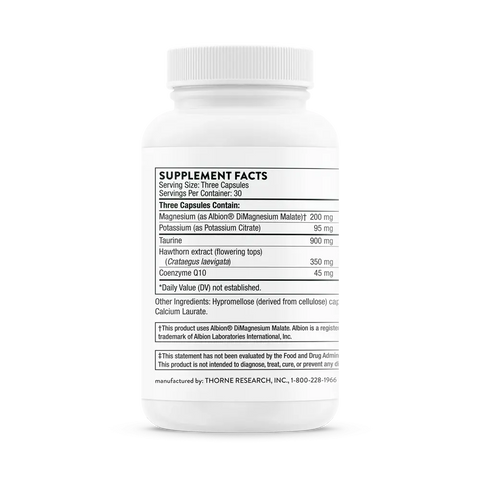
Heart Health Complex 90 Caps Thorne - Viva Saudável
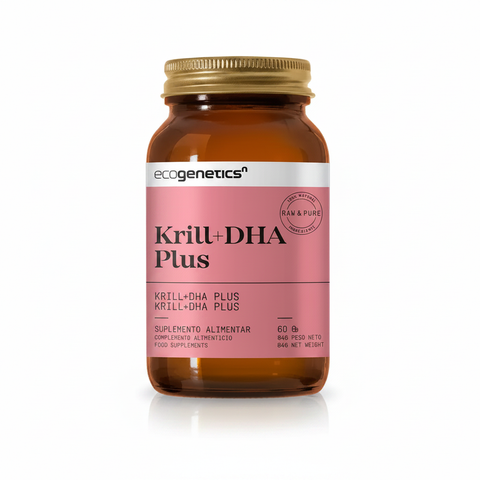
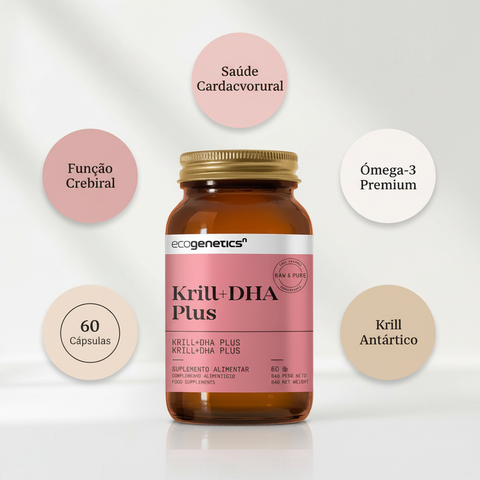
Krill+Dha Plus 60 Caps Ecogenetics - Viva Saudável
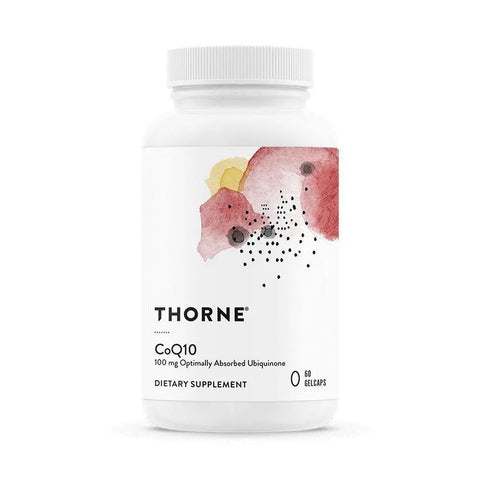
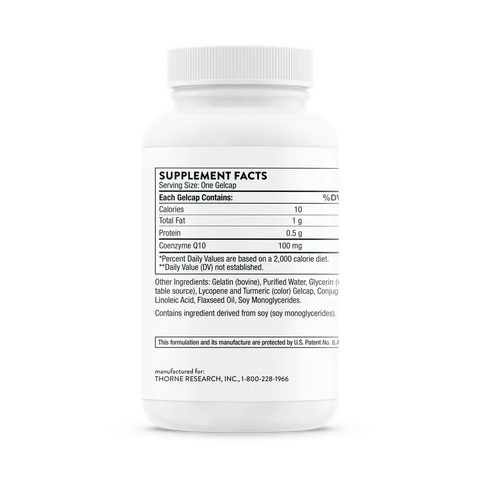
CoQ10 100 60 Caps Thorne - Viva Saudável
Thorne Research
CoQ10 100 60 Caps Thorne
Price: 69,52€
View Product
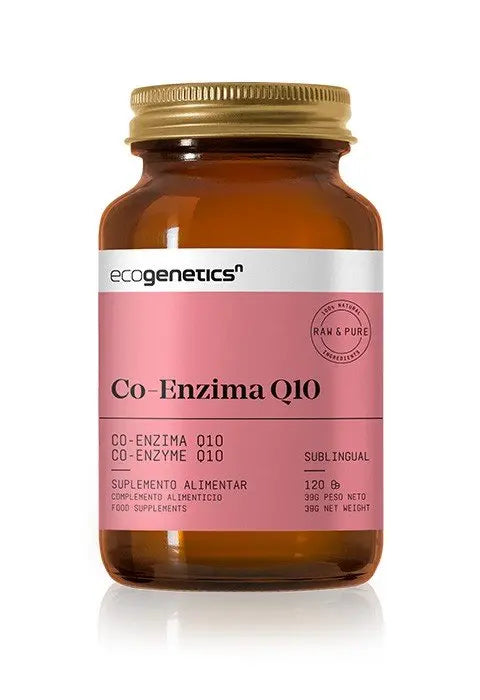
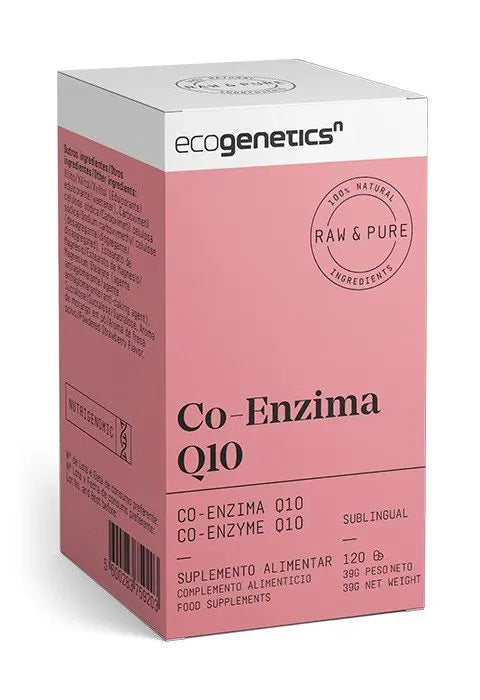
Co-Enzima Q10 120 Caps Ecogenetics - Viva Saudável
L-Glutamine 500gr  – Lamberts - Viva Saudável

FAQs

Food supplements are not a substitute for a varied and balanced diet or a healthy lifestyle. If you are pregnant or breastfeeding, consult your doctor before taking this supplement. Not recommended in case of hypersensitivity or allergy to any of the ingredients in the formulation, or when interactions between another product and any of its constituents are described. The recommended daily dose should not be exceeded. Keep out of the reach and sight of children. Store in a cool, dry place, away from light.