



Blood Pressure

Blood Pressure: Hemodynamic Balance and Cardiovascular Health Through Nutrition

Blood pressure is one of the main indicators of cardiovascular status and reflects the pressure exerted by blood on the artery walls during each cardiac cycle. Its regulation involves complex physiological mechanisms — from cardiac output and peripheral vascular resistance to kidney function and electrolyte balance. When these mechanisms are chronically disrupted, arterial hypertension can develop, a silent but significant risk factor for cardiovascular and renal health. Diet and lifestyle play a central role in this balance, and supplementation with specific nutrients can be a complementary nutritional approach, always integrated into a varied and balanced diet and guided by a healthcare professional.

Viva Saudável's blood pressure supplement collection brings together a careful selection of products from internationally renowned brands, formulated with high-purity raw materials, proven bioavailability, and strict traceability. Each product has been chosen based on the scientific rigor of its formulations, so you can make informed and safe decisions to support your hemodynamic balance.


What happens in the body during blood pressure imbalances?

Blood pressure regulation is a dynamic process involving multiple physiological systems in constant interaction. The autonomous nervous system modulates heart rate and contractile force; the kidneys regulate circulating fluid volume through sodium and water retention or excretion; and the renin-angiotensin-aldosterone system (RAAS) adjusts peripheral vascular resistance in response to changes in blood pressure and volume.

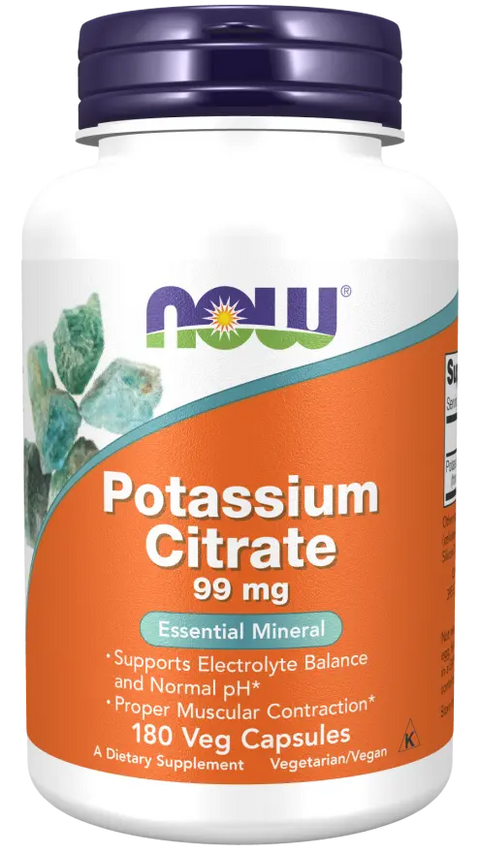
Electrolyte balance — particularly between sodium, potassium, and magnesium — is crucial for maintaining normal blood pressure. Magnesium contributes to the normal functioning of the nervous system and normal muscle function, including the heart muscle. Potassium contributes to the maintenance of normal blood pressure — a claim recognized by the EFSA for a daily intake of 2000 mg of potassium from all sources. Omega-3 fatty acids EPA and DHA contribute to the maintenance of normal blood pressure, with a daily dose of 3 g of EPA+DHA.


How nutrition can support blood pressure balance

A Mediterranean-pattern diet — rich in vegetables, legumes, nuts, olive oil, and fatty fish, and low in sodium and ultra-processed foods — is the most solid nutritional foundation for supporting healthy blood pressure. Supplementation with specific nutrients can complement this strategy, always under the guidance of a healthcare professional.

Magnesium, often insufficient in the modern Western diet, contributes to the normal functioning of the nervous system, normal muscle function, and normal protein synthesis, playing a supportive role in cardiovascular health. Potassium, widely studied in the context of sodium-potassium balance, has an EFSA-approved claim for the maintenance of normal blood pressure. Long-chain omega-3 fatty acids — EPA and DHA — also have an EFSA-approved claim for the maintenance of normal blood pressure, with a daily dose of 3 g. Aged garlic extract and coenzyme Q10 are widely studied in the context of cardiovascular support, although without EFSA-approved claims for direct effects on blood pressure.

The approach should always be personalized, taking into account the individual clinical profile, current medication, and the monitoring of a doctor or nutritionist.


Key ingredients in blood pressure supplements

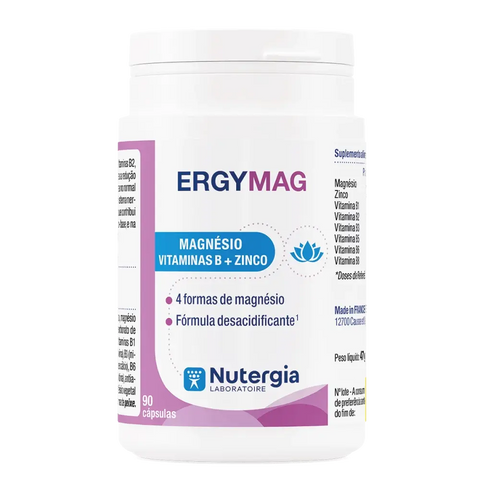
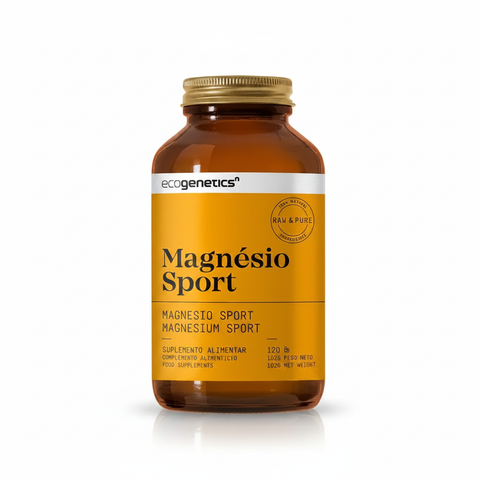
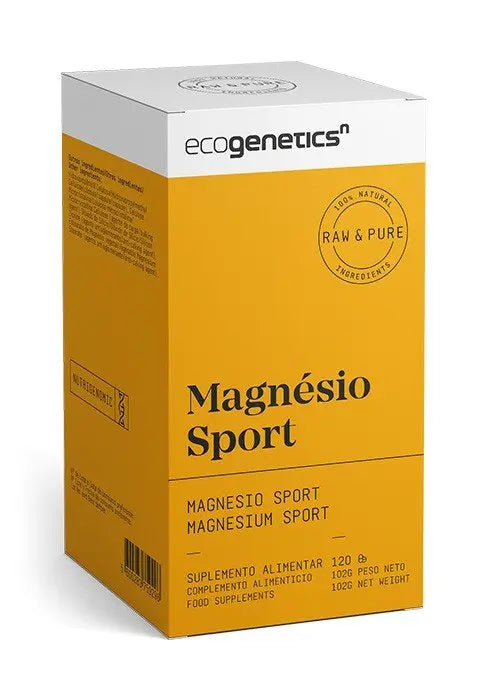
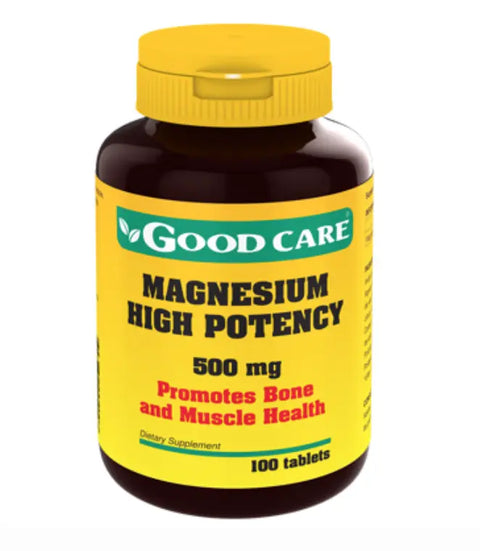
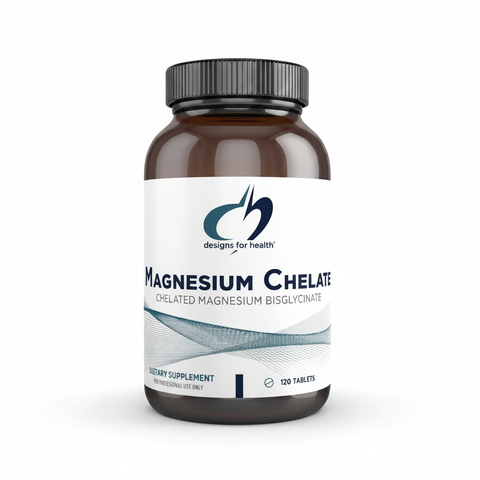
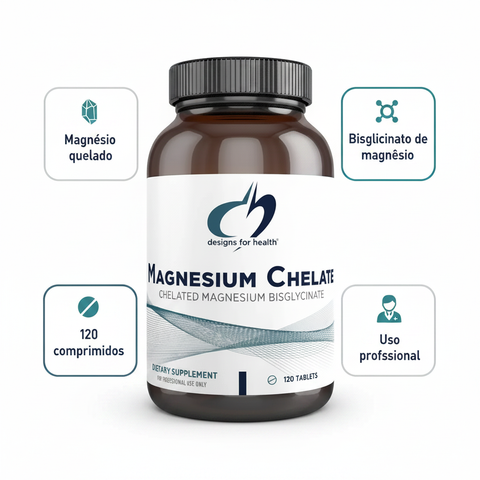
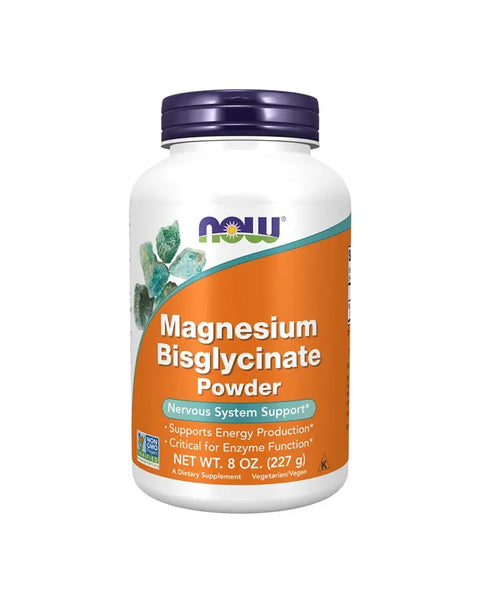
Magnesium — contributes to the normal functioning of the nervous system, normal muscle function, and the reduction of tiredness and fatigue. Widely studied in the context of cardiovascular support and electrolyte balance. Available in highly bioavailable forms such as bisglycinate, malate, and threonine magnesium.

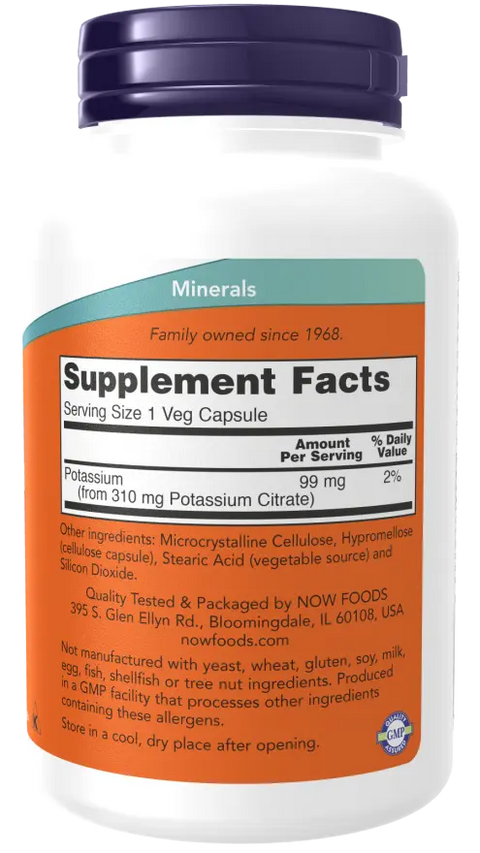
Potassium — contributes to the maintenance of normal blood pressure and the normal functioning of the nervous and muscular systems. Essential for intracellular sodium-potassium balance.

Omega-3 fatty acids (EPA and DHA) — EPA and DHA contribute to the maintenance of normal blood pressure. Available in highly bioavailable forms such as re-esterified triglycerides.

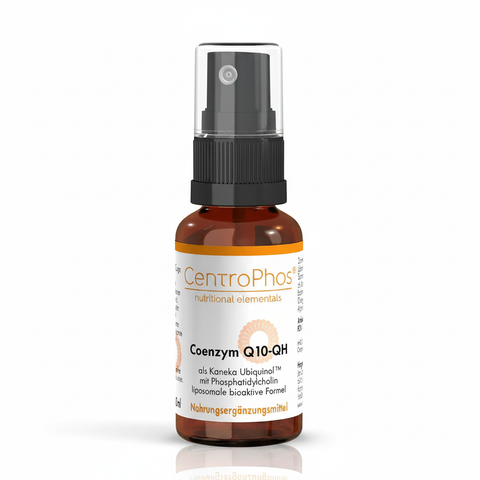
Coenzyme Q10 — traditionally used as a nutritional complement in the context of cardiovascular metabolic support.

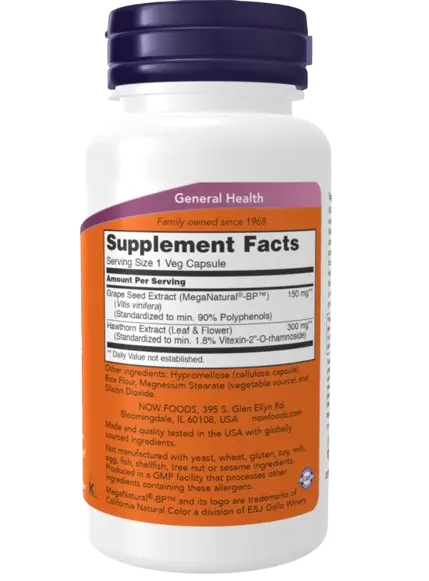
Aged garlic extract (Allium sativum) — widely studied in the context of cardiovascular health and lipid profile.

Vitamin D3 — contributes to the normal functioning of the immune system and the maintenance of normal bones. Widely studied in the context of cardiovascular support and general metabolic health.

Vitamin C — contributes to the protection of cells from oxidative stress and the normal functioning of the immune system. Widely studied in the context of vascular health and endothelial function.

L-Arginine — amino acid precursor of nitric oxide, widely studied in the context of vasodilation and endothelial function. No EFSA approved claim for direct effects on blood pressure — use neutral language: "widely studied in the context of vascular physiology".


How to choose a blood pressure supplement

The selection of a supplement to support hemodynamic balance should be based on rigorous criteria of quality, transparency, and suitability to the individual profile. Firstly, check if the product contains the clinically relevant form and dose of the active ingredient — for example, 3 g of EPA+DHA for omega-3, or highly bioavailable forms of magnesium such as bisglycinate or malate. The purity of raw materials, the absence of unnecessary additives, and the traceability of the production chain are essential criteria, especially for those on cardiovascular medication.

Filter:

Brand
0 selected Reset
Availability
0 selected Reset
Prices
The highest price is 88,00€ Reset
From
To
Detailed ingredients
0 selected Reset

24 products

FAQs

Food supplements are not a substitute for a varied and balanced diet or a healthy lifestyle. If you are pregnant or breastfeeding, consult your doctor before taking this supplement. Not recommended in case of hypersensitivity or allergy to any of the ingredients in the formulation, or when interactions between another product and any of its constituents are described. The recommended daily dose should not be exceeded. Keep out of the reach and sight of children. Store in a cool, dry place, away from light.