
203 products
Perguntas frequentes
Which nutrients are associated with immune system function?
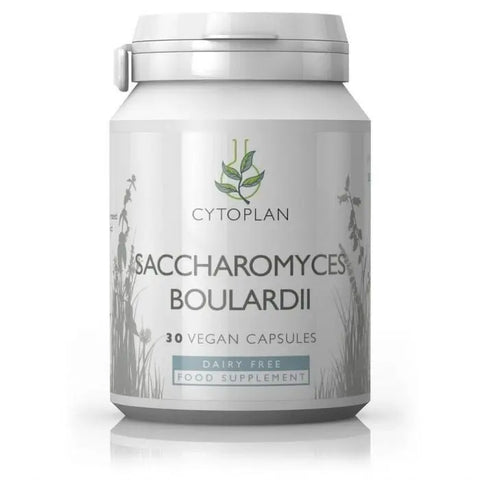
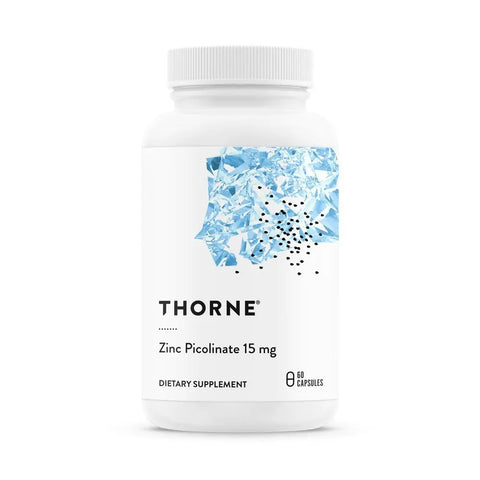
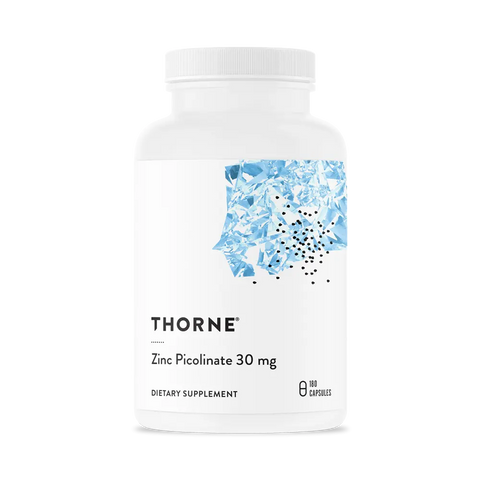
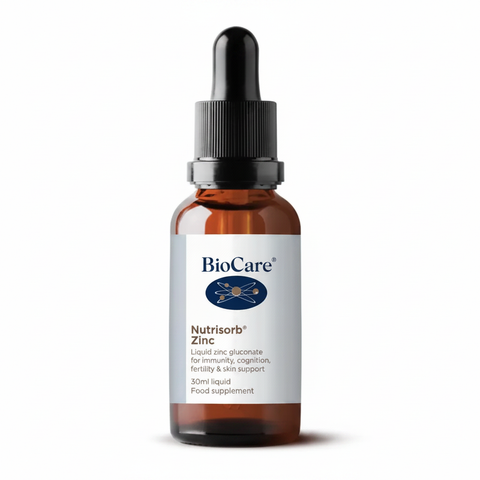
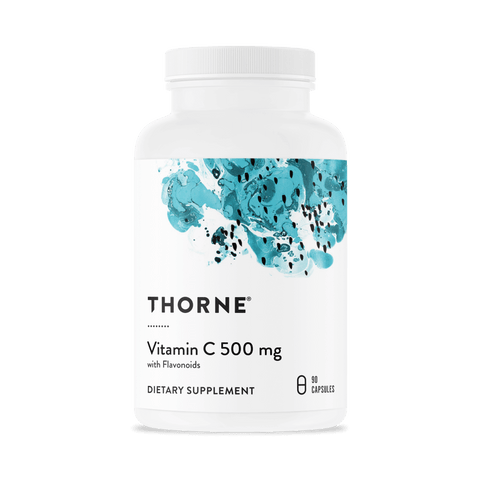
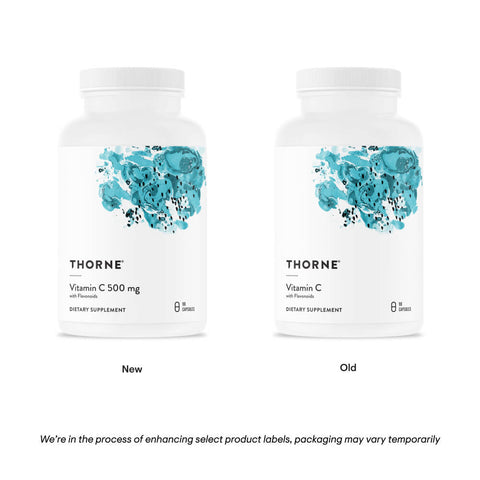
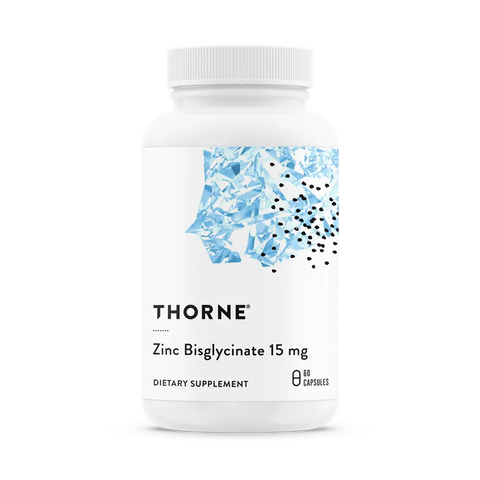
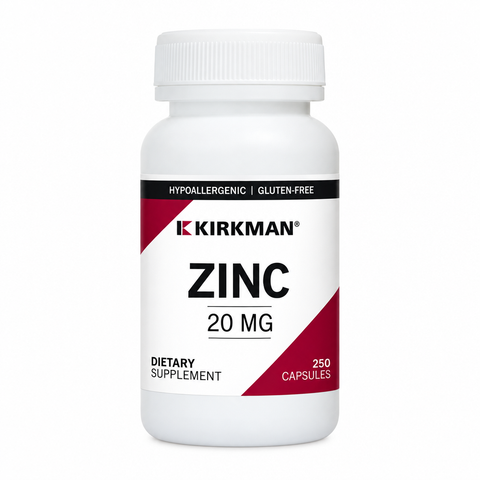
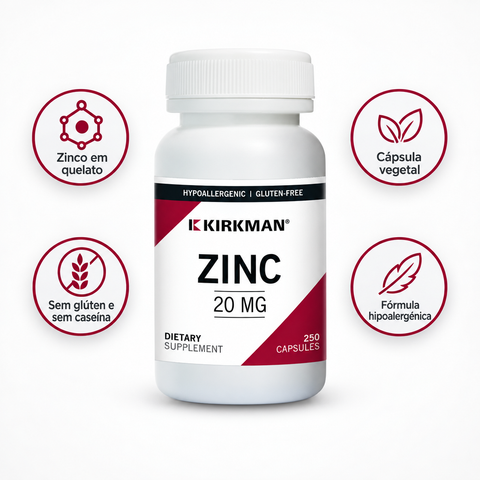
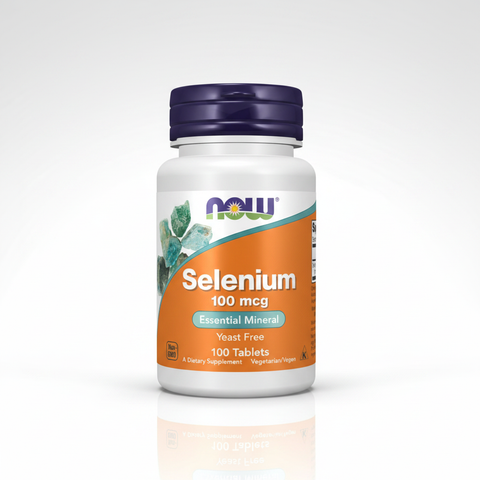
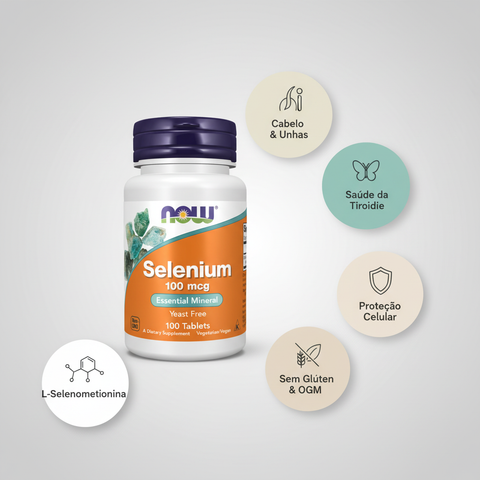
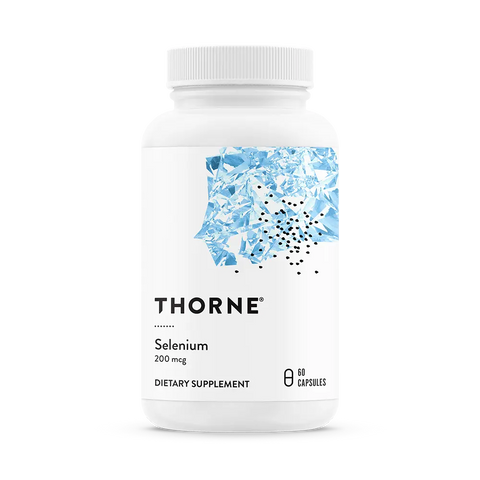
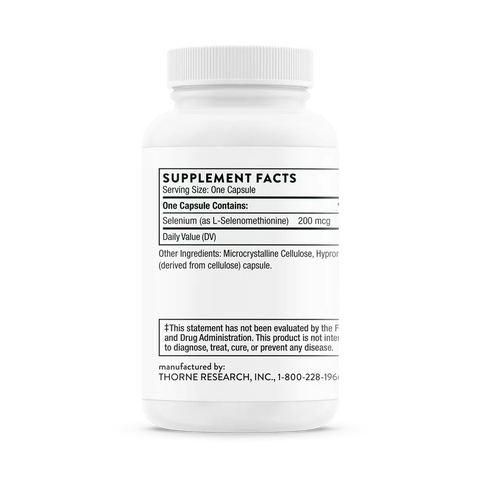
The European Union authorises the claim "contributes to the normal functioning of the immune system" for vitamin C, vitamin D, vitamin A, vitamin B6, vitamin B12, folic acid, zinc, selenium, iron and copper. This is the complete list regarding vitamins and minerals. Other ingredients in this collection, such as plant extracts, mushrooms or live cultures, have no authorised claims in the EU and are therefore not attributed any function here.
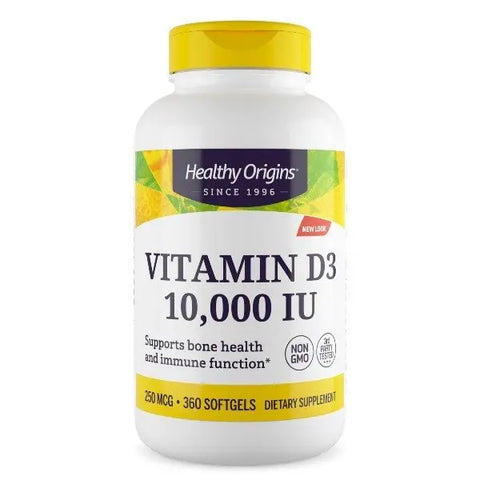
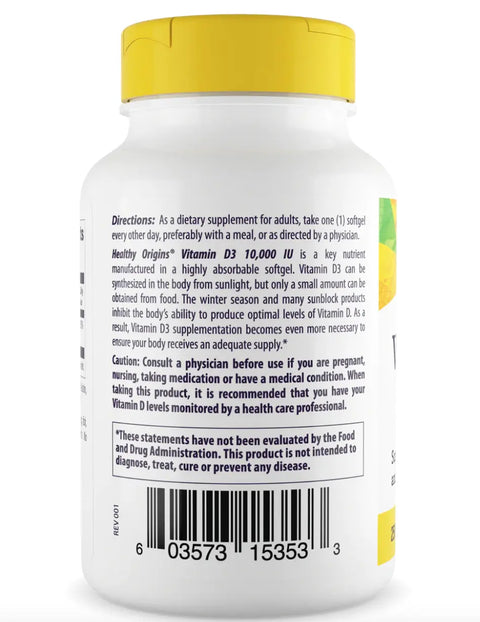
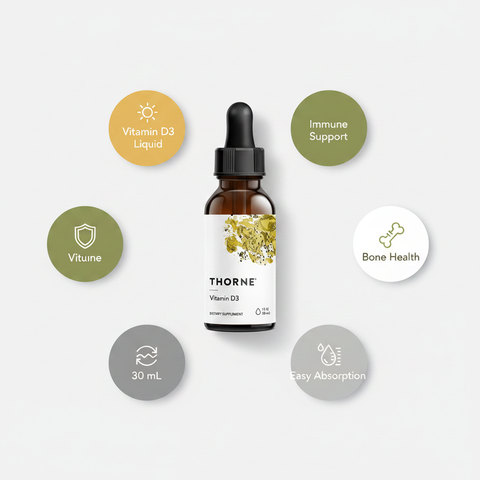
What is the difference between vitamin D2 and vitamin D3?
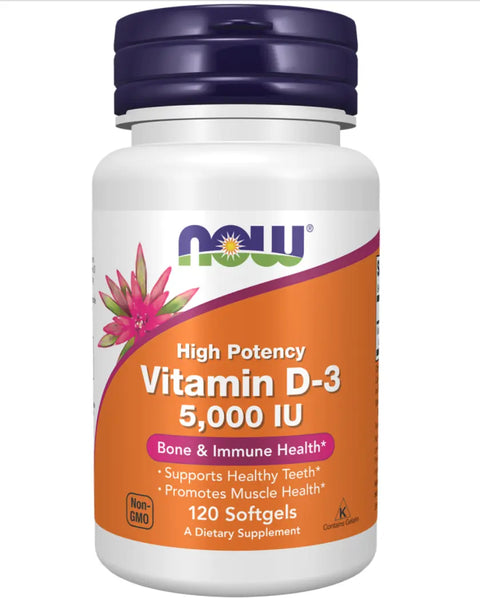
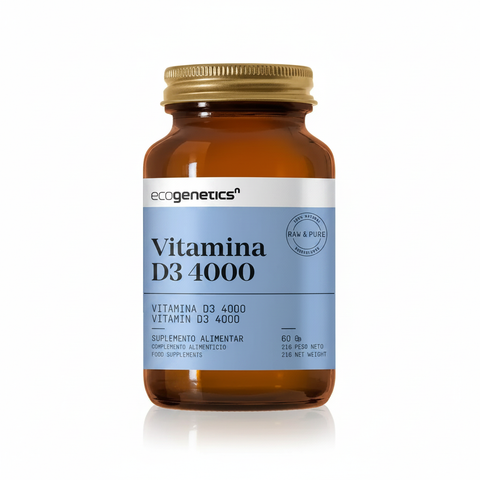
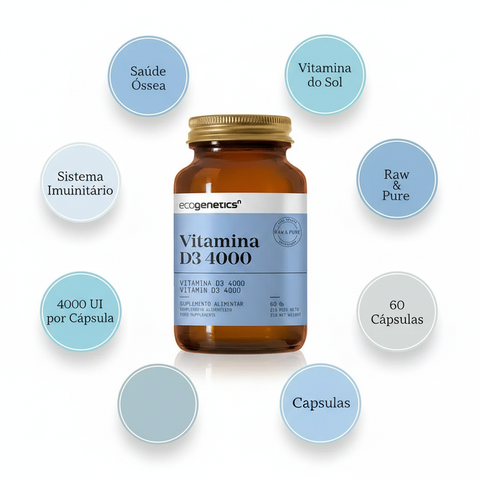
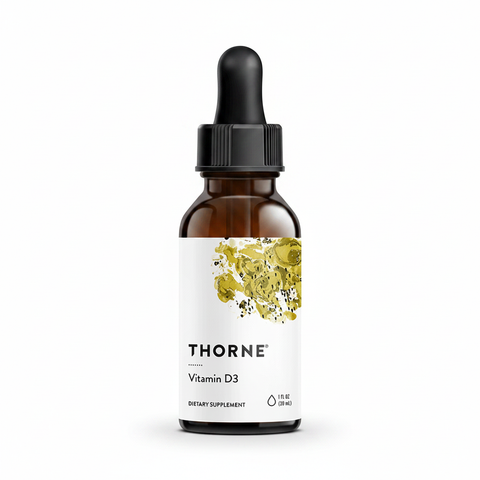
D2 (ergocalciferol) has a plant or fungal origin; D3 (cholecalciferol) is synthesised in the skin through sunlight exposure and, in supplements, is traditionally obtained from lanolin or, in vegan versions, from lichens. D3 is the most commonly used form in supplements and the one found in most products in this collection. Both are converted in the body, but D3 maintains serum levels more stably.
Can I take several of these supplements at the same time?
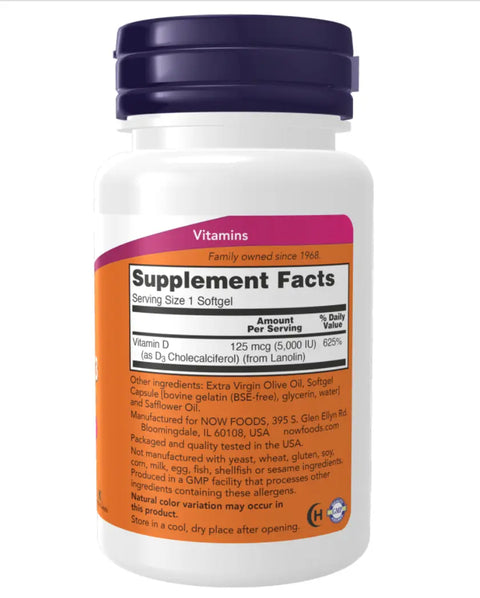
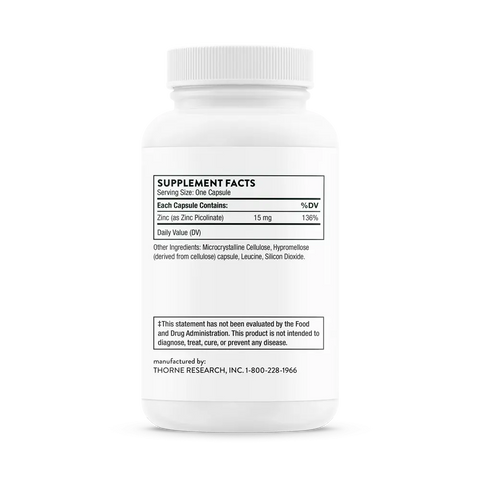
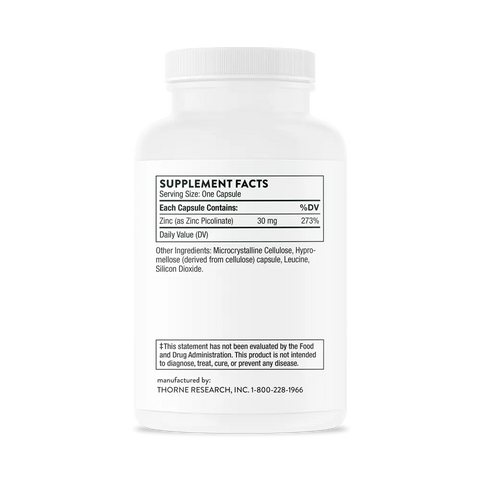
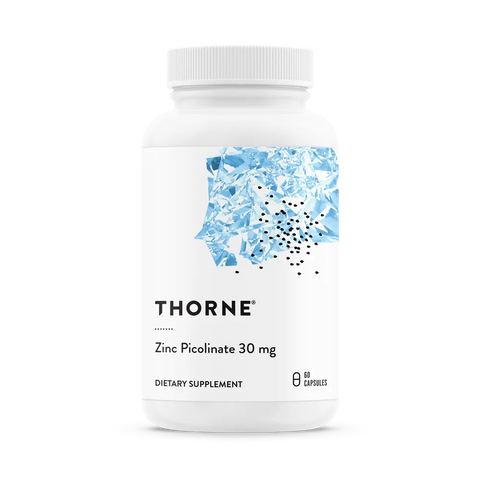
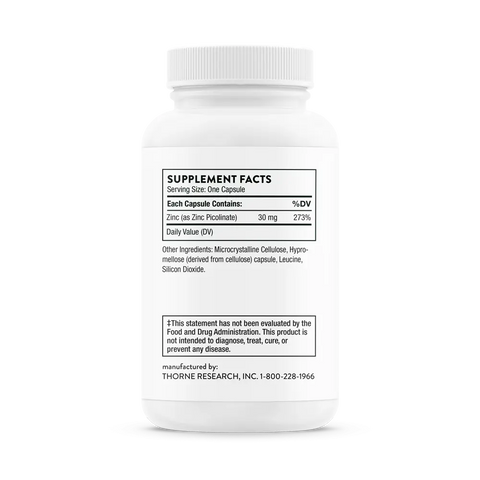
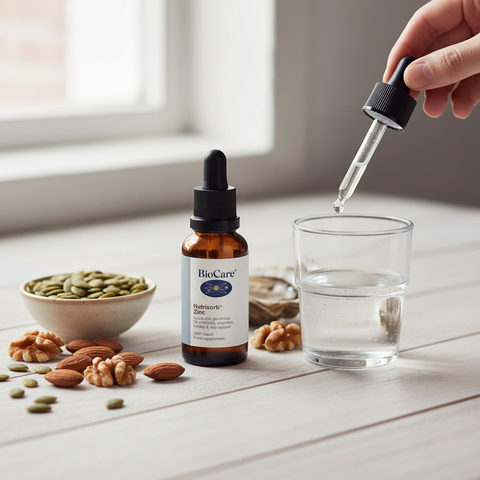
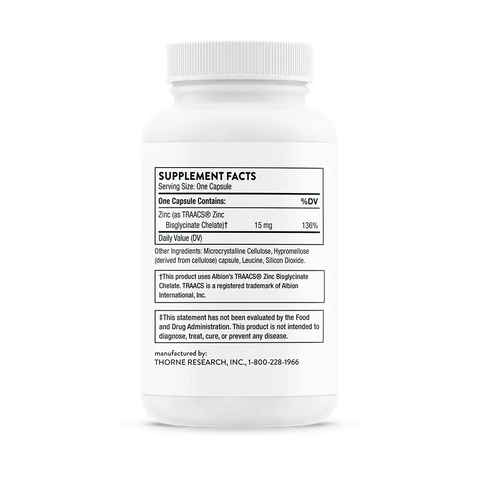
It is possible, but it is advisable to sum the doses. A multivitamin usually already includes vitamin C, vitamin D, and zinc, and adding isolated products on top of that can easily exceed the maximum limits, especially for zinc and fat-soluble vitamins A and D. Sum what is on each label before combining, and talk to a healthcare professional if you are taking medication.
Food supplements are not a substitute for a varied and balanced diet or a healthy lifestyle. If you are pregnant or breastfeeding, consult your doctor before taking this supplement. Not recommended in case of hypersensitivity or allergy to any of the ingredients in the formulation, or when interactions between another product and any of its constituents are described. The recommended daily dose should not be exceeded. Keep out of the reach and sight of children. Store in a cool, dry place, away from light.