
13 products


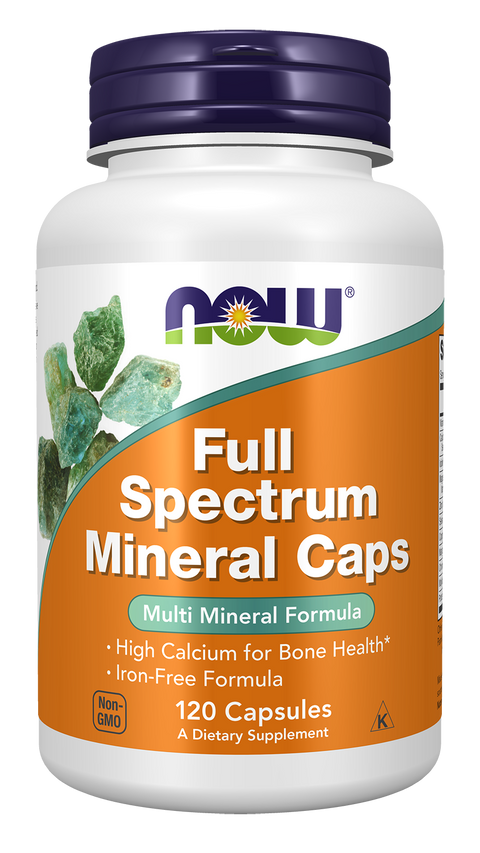
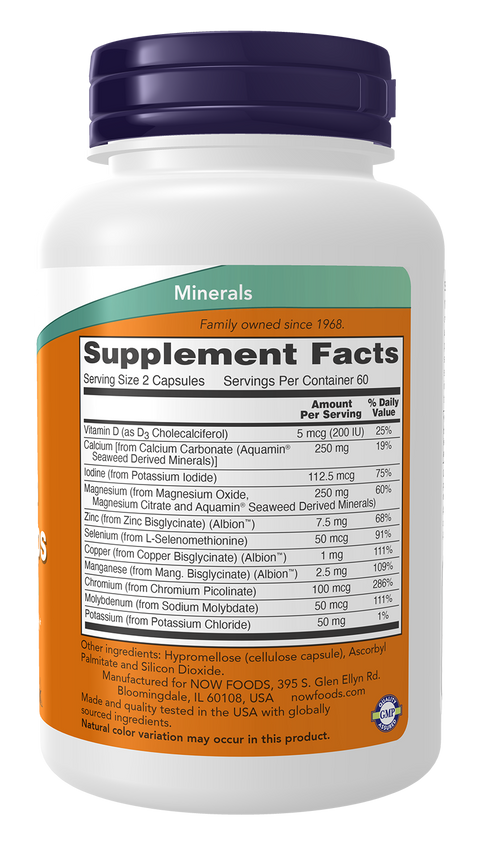


NOW Foods
Vitamin C - Calcium Ascorbate (Non-Acidic) 500 – 100 Vegetable Capsules (500 mg) Now
Price:
17,43€


NOW Foods
Vitamin C - Calcium Ascorbate (Non-Acidic / Bioflavonoids) 1000 – 90 Tablets (1000 mg) Now
Price:
27,55€
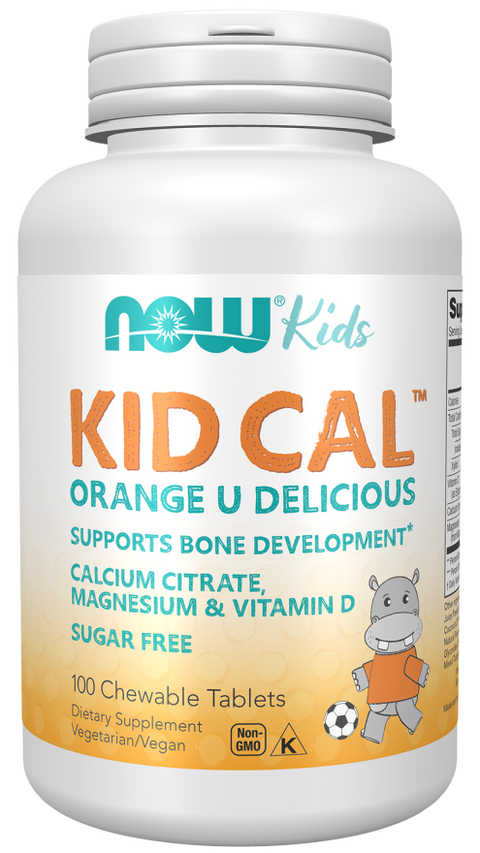
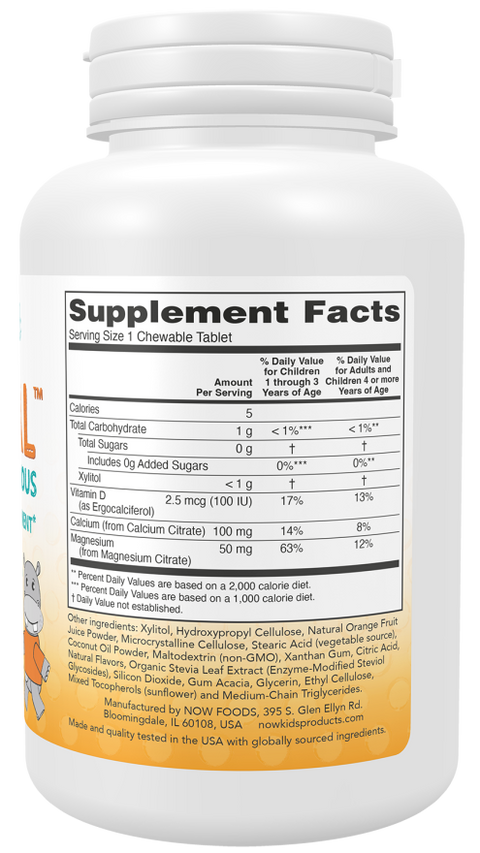


NOW Foods
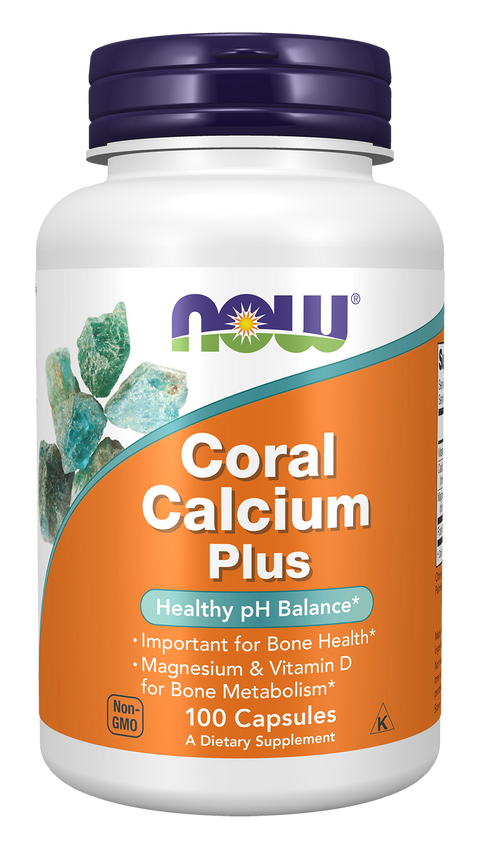
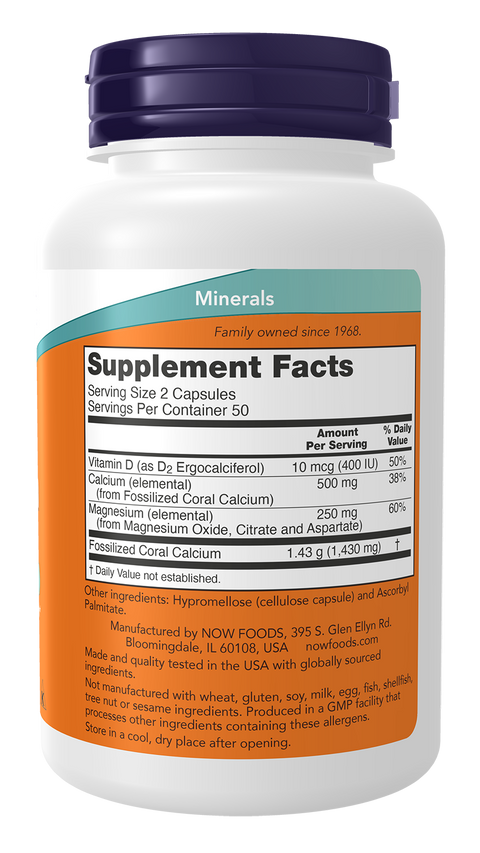
Coral Calcium - Coral Calcium Plus Magnesium – 100 Vegetable Capsules (500/250 mg) Now
Price:
29,07€
Perguntas frequentes
Para que contribui o cálcio?
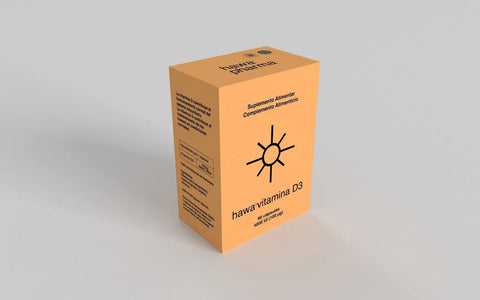
O cálcio contribui para a manutenção de ossos e dentes normais, para a função muscular normal, para a coagulação sanguínea normal, para a neurotransmissão normal e para o funcionamento normal das enzimas digestivas. A vitamina D contribui para a sua absorção e utilização normais.
Quanto cálcio por dia e como tomar?
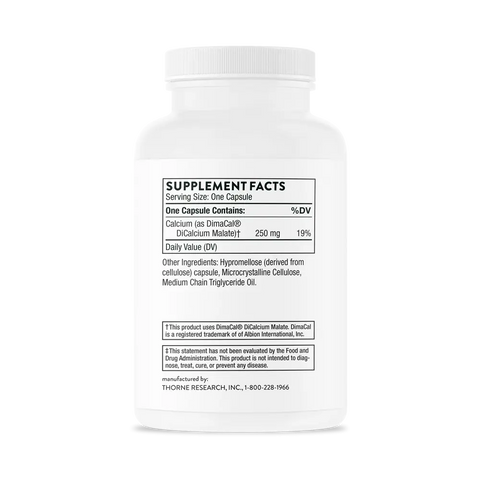
O valor de referência para adultos é de 800 mg por dia, somando alimentação e suplementos, e a maior parte vem normalmente da alimentação. Doses acima de 500 mg de uma só vez são menos bem aproveitadas, por isso costuma dividir-se a toma.
Carbonato ou citrato de cálcio?
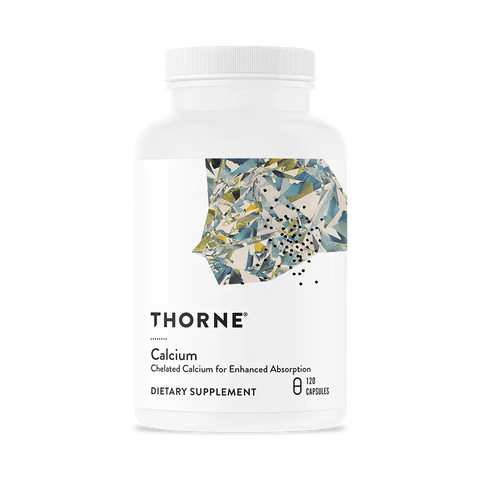
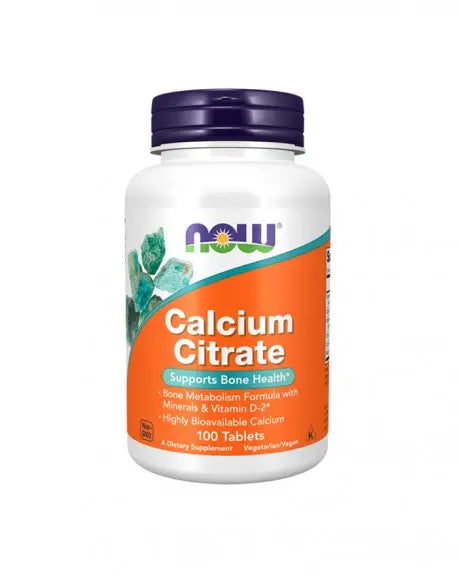
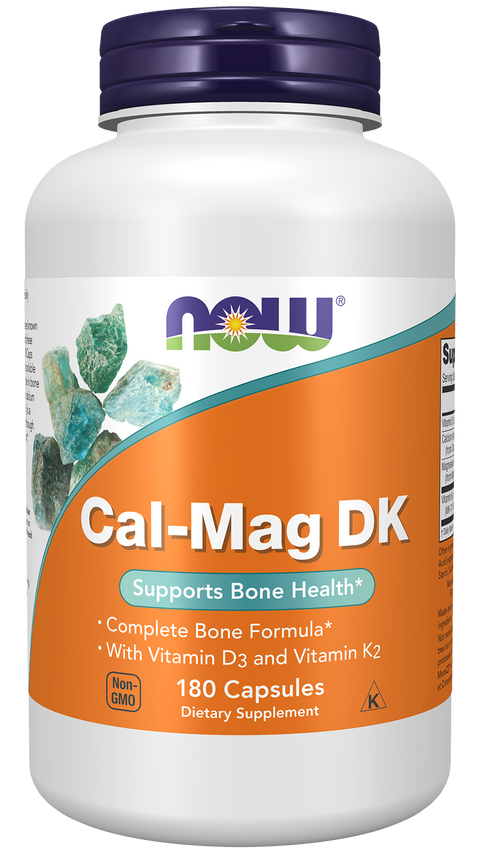
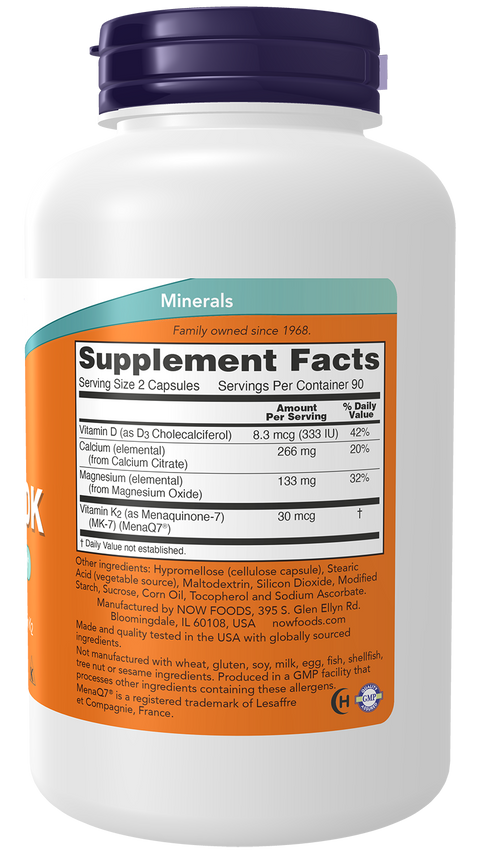
O carbonato tem mais cálcio elementar por grama e toma-se com uma refeição, porque precisa de acidez para se dissolver. O citrato tem menos cálcio por comprimido, mas pode ser tomado com ou sem alimentos. Há ainda formas queladas e fórmulas que juntam magnésio, potássio ou vitaminas D e K.
O cálcio interfere com outros suplementos?
Sim. Reduz a absorção do ferro e do zinco e de alguns medicamentos, como a levotiroxina e certos antibióticos, pelo que convem espaçar as tomas algumas horas. Se tem doença renal ou história de cálculos, fale com o seu médico antes de suplementar.
Veja também
Food supplements are not a substitute for a varied and balanced diet or a healthy lifestyle. If you are pregnant or breastfeeding, consult your doctor before taking this supplement. Not recommended in case of hypersensitivity or allergy to any of the ingredients in the formulation, or when interactions between another product and any of its constituents are described. The recommended daily dose should not be exceeded. Keep out of the reach and sight of children. Store in a cool, dry place, away from light.