






Blood Sugar and Metabolism

In the Blood Sugar and Metabolism collection we bring together food supplements with chromium, berberine, cinnamon and other plants and nutrients related to carbohydrate metabolism, from brands such as Thorne, NOW Foods, Design for Health, Solaray, Nutergia, Kyolic, BioCare, Good n'Care, NutriNed, Ecogenetics and Alphagem. You will find capsules, tablets, drops and gemmotherapy macerates.

Food supplements do not treat diabetes and do not replace medication, a suitable diet or medical follow-up.

Glucose in the blood

Where it comes from and where it goes

Glucose is the main sugar circulating in the blood and comes mostly from the carbohydrates in food: bread, rice, pasta, potatoes, fruit and sugars. After a meal, blood glucose rises and insulin, a hormone made by the pancreas, helps cells use it for energy or store it.

Habits that matter

Choosing whole grains, pulses and vegetables, which are rich in fibre, cutting down on sugary drinks, spreading carbohydrates across the day, being physically active, sleeping enough and keeping a healthy weight are the measures with the greatest impact on glucose levels.

Types of products

Chromium

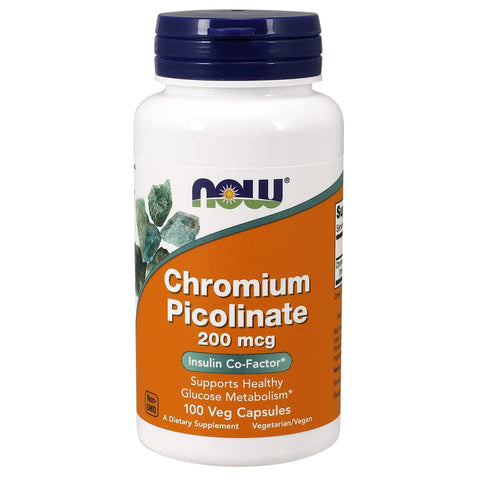
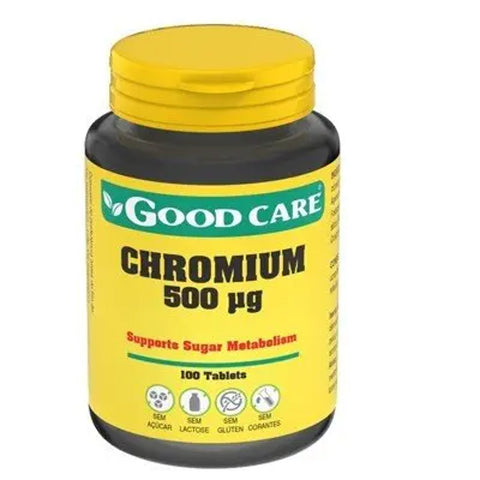
Chromium is a trace element found in foods such as whole grains, meat, broccoli and yeast. It comes in capsules and tablets, mostly as chromium picolinate, and as drops. Doses vary widely between products, so check the label for the amount of chromium per serving.

Berberine

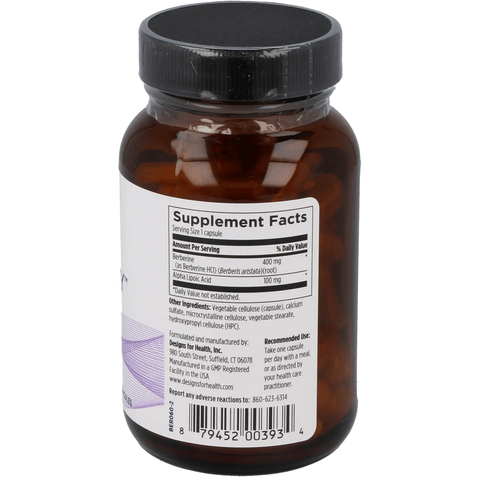
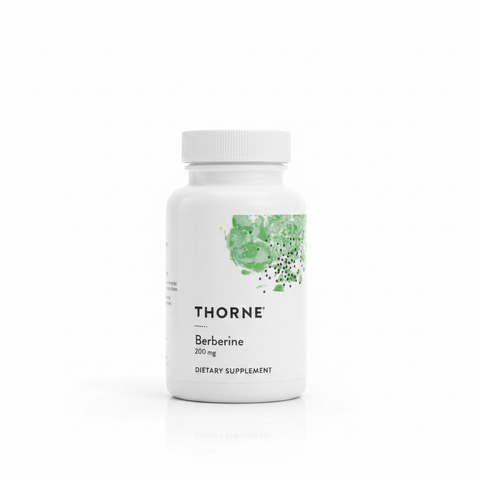
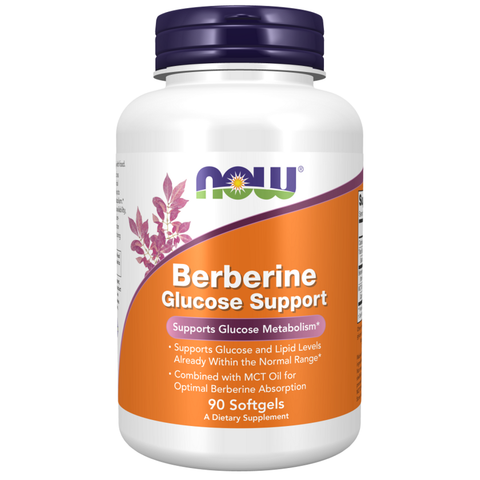
Berberine is a yellow compound found in the root of plants such as Indian barberry (Berberis aristata) and Oregon grape. It comes in capsules, alone or combined with turmeric, MCT oil or cinnamon.

Combined formulas

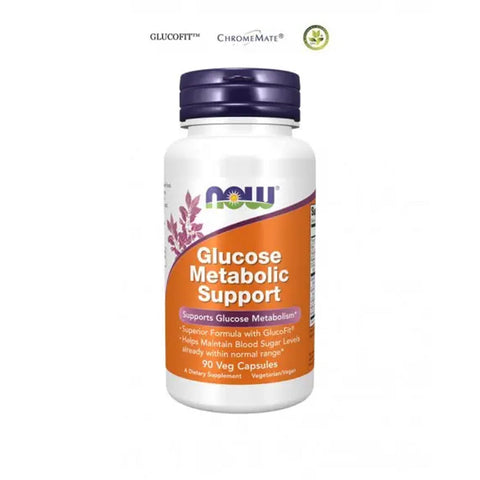
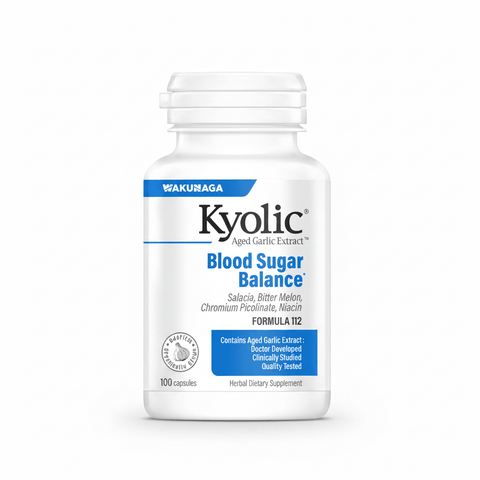
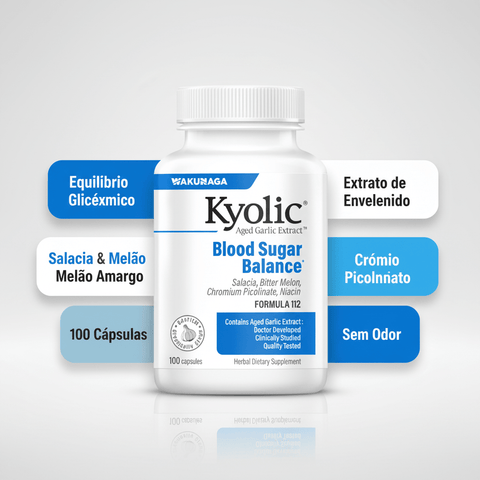
Formulas that combine chromium with Ceylon cinnamon, aged garlic extract (Kyolic), bitter melon, salacia, alpha-lipoic acid, B vitamins or zinc, and packs that bring several products together.

Gemmotherapy

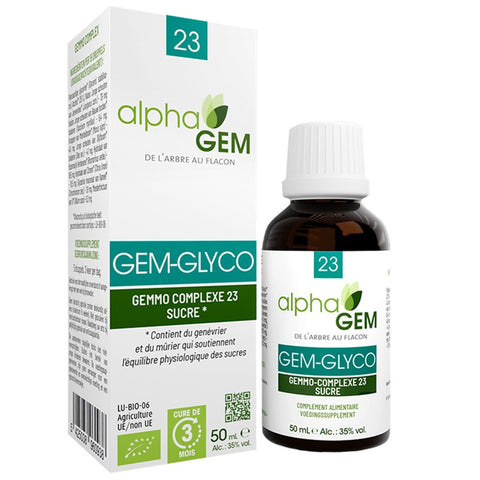
Complexes of bud and shoot macerates from plants such as juniper, bilberry, black mulberry, olive and cinnamon, as drops.

Precautions

  • If you take diabetes medication (tablets or insulin), talk to your doctor before taking any of these supplements. Do not stop or change your medication on your own.
  • Berberine interacts with many medicines, because it changes the liver enzymes that break them down. It can cause digestive discomfort. It is not suitable during pregnancy, breastfeeding or for children.
  • Alpha-lipoic acid and bitter melon may add to the effect of glucose-lowering medicines.
  • High doses of chromium are not suitable for people with kidney or liver disease. Do not exceed the daily dose on the label.
  • Cassia cinnamon contains coumarin, which in large amounts can affect the liver. During pregnancy and breastfeeding, ask a health professional for advice.

If you are very thirsty, urinate often, lose weight for no apparent reason, feel persistently tired or have blurred vision, talk to your doctor.

See also the Cholesterol, Cardiovascular Health and Liver and Antioxidants collections.

17 products

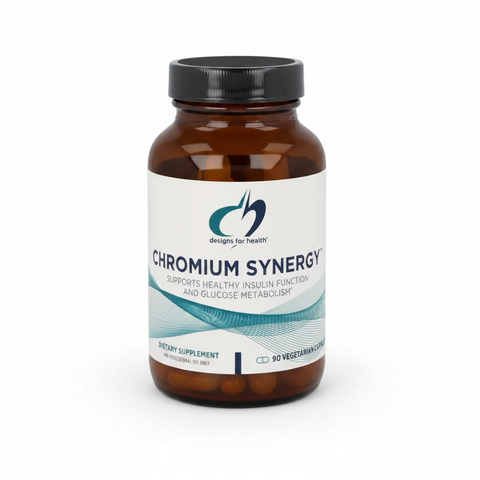
Chromium Synergy Designs for Health – embalagem sobre fundo branco
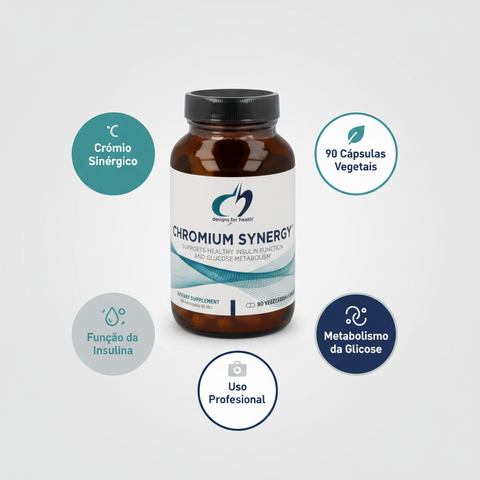
Chromium Synergy Designs for Health – embalagem com os destaques da fórmula
Metabolismo 120 caps Ecogenetics - Viva Saudável
GlycoSense NutriNED – embalagem do produto
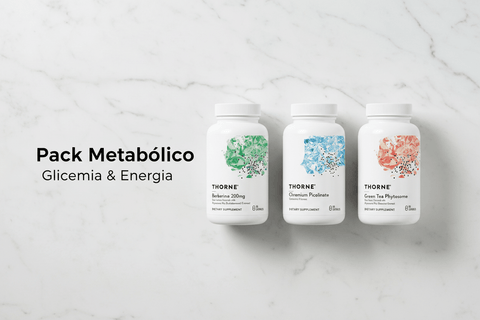
Pack Metabólico — Glicemia & Energia - Viva Saudável
Viva Saudável
Metabolic Pack Thorne
Sale price: 99,00€ Regular price:115,00€
View Product
-14%
Gem-Glyco 23 Alphagem 50 ml – complexo de gemoterapia com zimbro, mirtilo, amoreira-negra, oliveira, alecrim verbenona, limão, canela e cebola

5.0/5 — nota média de 230 avaliações de clientes aos produtos desta página

Perguntas frequentes

What is chromium used for?
Chromium contributes to normal macronutrient metabolism and the maintenance of normal blood glucose levels. It is an essential mineral sought after by those who want to support sugar metabolism in a healthy routine.
What is the best form of chromium?
Chromium picolinate is one of the most commonly used and well-absorbed forms. Supplementation doses are usually around 200 micrograms. Take preferably with a meal.
Are these supplements for treating diabetes?
No. Food supplements do not treat, prevent, or cure diseases, including diabetes. They can support normal glucose metabolism in a healthy person. People with diabetes should always follow medical advice.

Food supplements are not a substitute for a varied and balanced diet or a healthy lifestyle. If you are pregnant or breastfeeding, consult your doctor before taking this supplement. Not recommended in case of hypersensitivity or allergy to any of the ingredients in the formulation, or when interactions between another product and any of its constituents are described. The recommended daily dose should not be exceeded. Keep out of the reach and sight of children. Store in a cool, dry place, away from light.