Heartburn and Indigestion

Supplements for Heartburn and Difficult Digestion

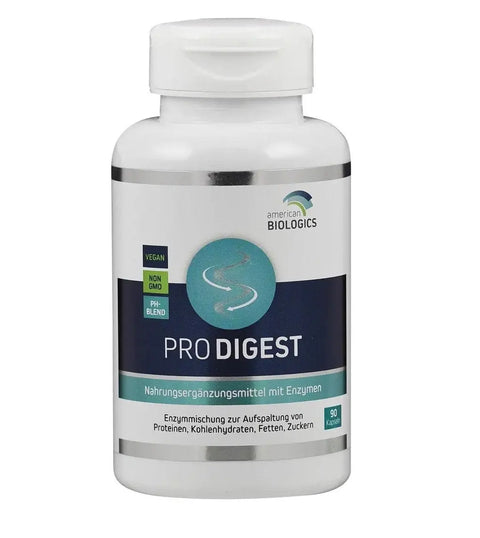
The Heartburn and Difficult Digestion collection brings together supplements aimed at digestive comfort, heavy meals, and digestion support. It includes digestive enzymes, betaine HCl, DGL, gastrointestinal formulas, plant extracts, and combinations designed for post-meal well-being.

This category helps those looking for digestive support solutions without having to research technical ingredients. The page groups products related to slow digestion, post-meal discomfort, enzymes, and gastric support, making it easier to compare simple and complete formulas.

To make the best choice, consider the type of meal, the frequency of discomfort, the presence of gastric sensitivity, and the product's composition. Persistent symptoms, frequent reflux, pain, unexplained weight loss, or medication use warrant professional evaluation.

51 products

How to navigate this page

This page brings together very different products, some of which follow opposite logics. Understanding which category each one belongs to is the first step in choosing, and prevents you from buying the exact opposite of what you were looking for.

1. Digestive enzymes

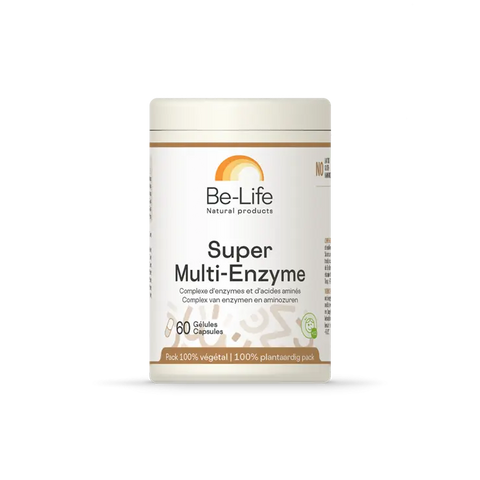
These act on the food in the meal itself and are generally taken at the beginning. There are broad-spectrum formulas, with proteases, lipases, and amylases, and formulas targeting a specific food, such as lactase or those that act on gluten and legumes. The strength of an enzyme is measured in activity units, not milligrams.

2. Betaine HCl and pepsin

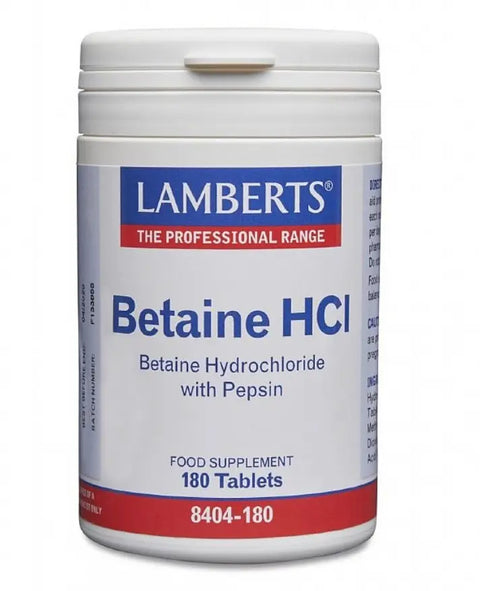
This is a source of hydrochloric acid, that is, the opposite of an antacid. It should not be used without medical advice by those who have an ulcer, gastritis, or esophagitis, nor by those taking anti-inflammatories, corticosteroids, or medication for acidity.

3. Plants and bitters

DGL is deglycyrrhizinated licorice, that is, without the compound associated with increases in blood pressure. Ginger, chamomile, gentian, and other bitters also appear, in tablets, capsules, and liquids. If you take blood pressure medication, pay close attention to products with licorice.

4. Gastrointestinal formulas

These are more complex combinations, with ingredients like L-glutamine, zinc-carnosine, aloe vera, or powders to mix in water. They have their own intake schedules, sometimes away from meals, and are intended for specific periods and not for occasional use.

5. When it is not a case for a supplement

If heartburn is frequent or has lasted for weeks, or if you have pain, difficulty swallowing, vomiting, unexplained weight loss, dark stools, or anemia, consult your doctor before buying anything at all. And do not stop prescribed medication on your own initiative.

Perguntas frequentes

Que tipos de produtos estão nesta página?
Quatro famílias. Enzimas digestivas, que atuam sobre os alimentos da refeição. Betaína HCl com pepsina, que é uma fonte de ácido clorídrico. Extratos de plantas, como o DGL, o gengibre e a camomila. E fórmulas gastrointestinais mais completas, com ingredientes como L-glutamina, zinco-carnosina ou aloe vera.
O que é a betaína HCl com pepsina?
A betaína HCl é uma fonte de ácido clorídrico e a pepsina é uma enzima que atua sobre as proteínas. São o oposto de um antácido, e por isso não são para todos. Não devem ser usados sem indicação médica por quem tem úlcera, gastrite ou esofagite, nem por quem toma anti-inflamatórios, corticoides ou medicação para a acidez.
O que é o DGL?
É alcaçuz desglicirrizinado: extrato de raiz de alcaçuz ao qual foi retirada a glicirrizina, o composto que, em doses altas e de forma prolongada, está associado a subidas da tensão arterial e a perdas de potássio. Apresenta-se habitualmente em pastilhas mastigáveis. Se toma medicação para a tensão, fale com o seu médico.
Em que altura se tomam?
Depende da família de produto e deve seguir sempre o rótulo. As enzimas digestivas tomam-se, em geral, no início da refeição. A betaína HCl costuma ser indicada a meio ou no fim. As fórmulas com plantas e as gastrointestinais têm esquemas próprios, por vezes fora das refeições.
Posso tomar isto se já tomo medicação para a acidez?
Fale primeiro com o seu médico ou farmacêutico. A betaína HCl não deve ser combinada com essa medicação. Alguns suplementos alteram a absorção de medicamentos, pelo que pode ser preciso espaçar as tomas. E não interrompa nem altere medicação prescrita por sua iniciativa.
Quando devo ir ao médico em vez de tomar um suplemento?
Se a azia é frequente ou dura há semanas, se tem dor, dificuldade em engolir, vómitos, perda de peso sem explicação, fezes escuras ou anemia, procure o seu médico. São situações que precisam de diagnóstico e que nenhum suplemento alimentar resolve.

Veja também

Do nosso blog

Food supplements are not a substitute for a varied and balanced diet or a healthy lifestyle. If you are pregnant or breastfeeding, consult your doctor before taking this supplement. Not recommended in case of hypersensitivity or allergy to any of the ingredients in the formulation, or when interactions between another product and any of its constituents are described. The recommended daily dose should not be exceeded. Keep out of the reach and sight of children. Store in a cool, dry place, away from light.