Eye Health

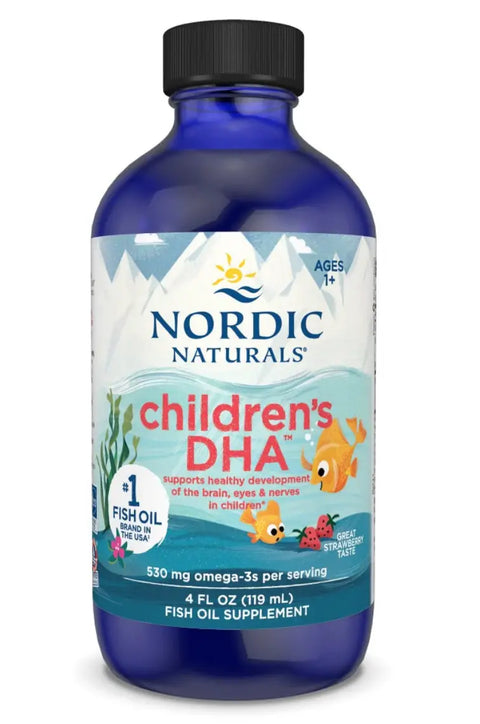
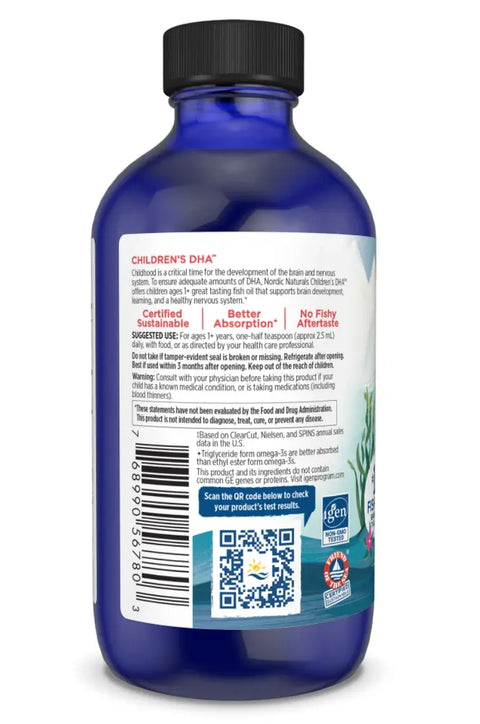
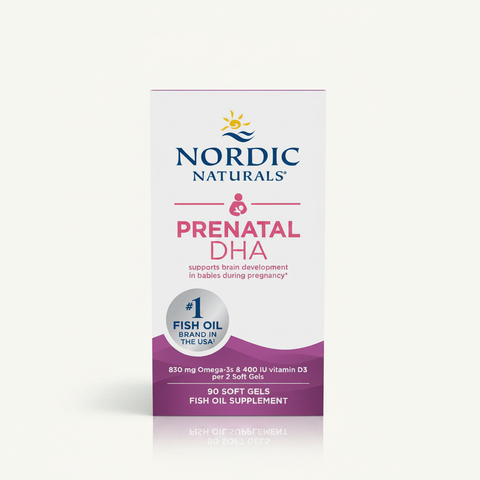
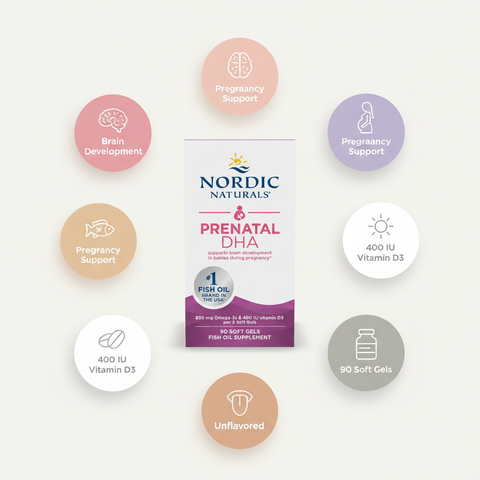
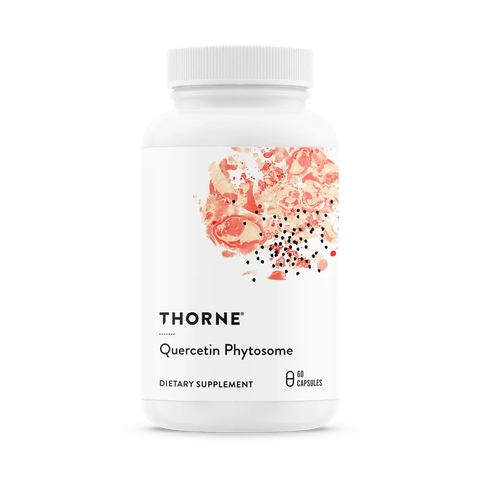
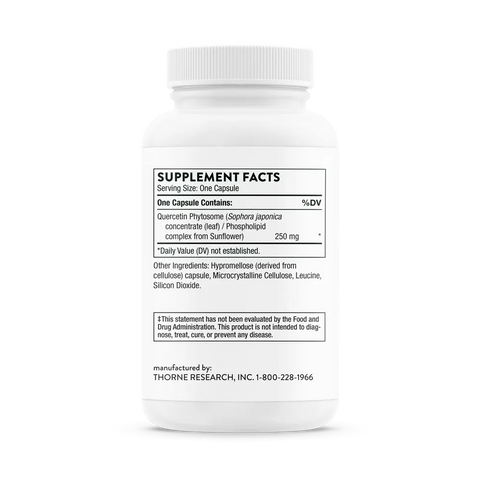
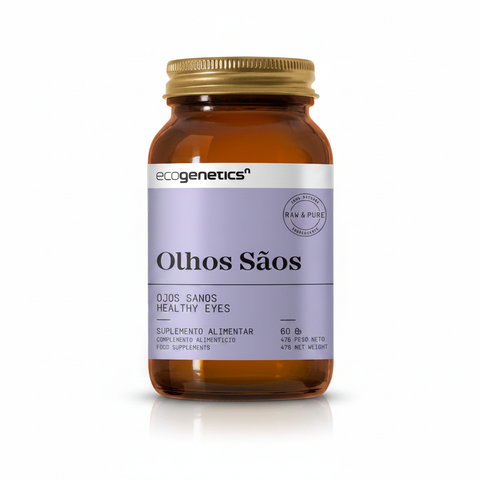
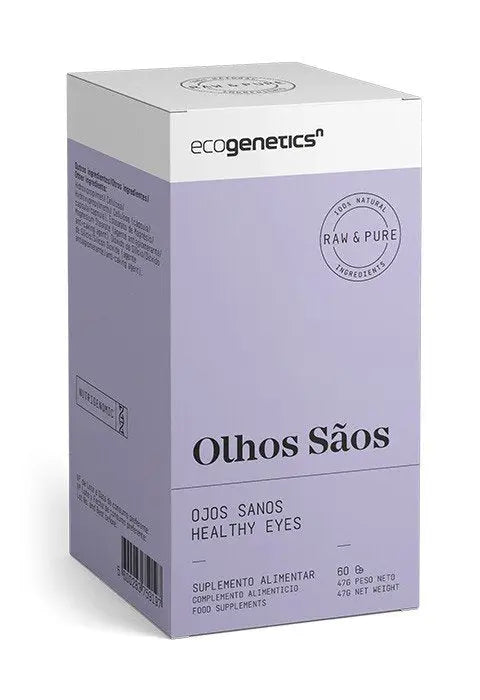
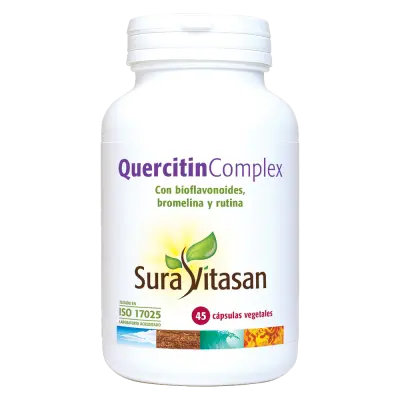
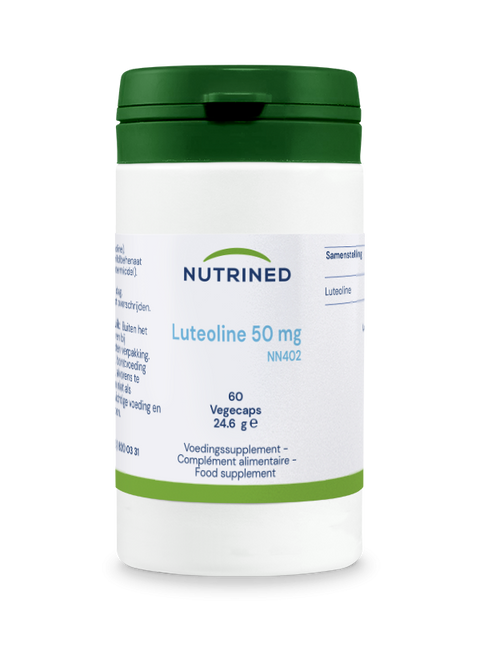
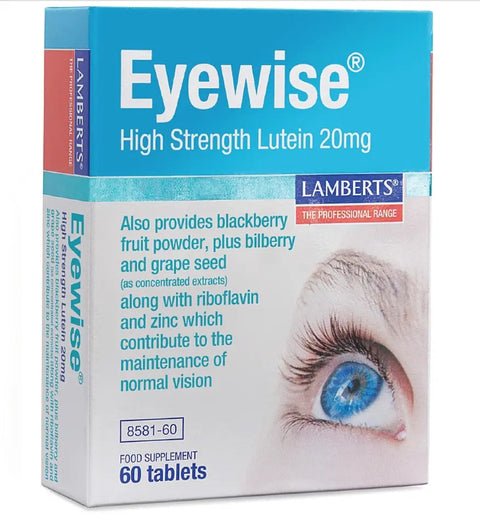
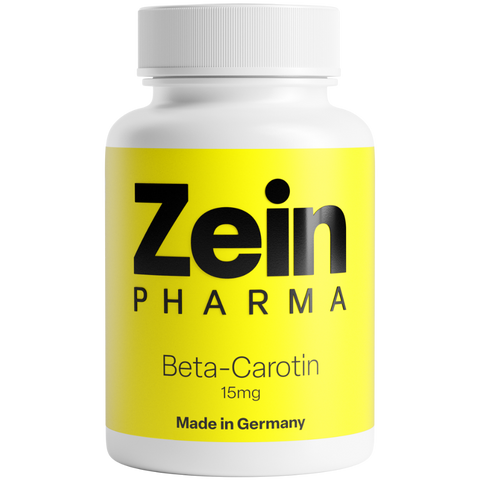
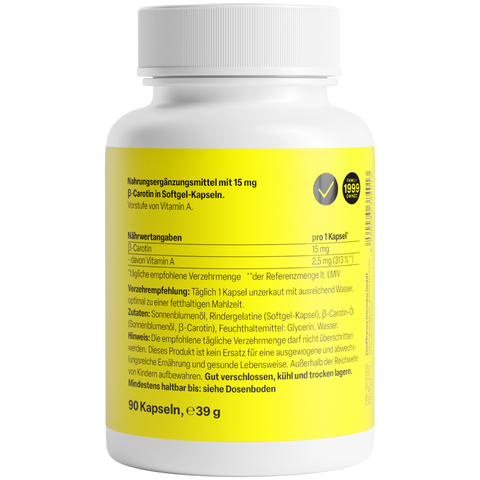
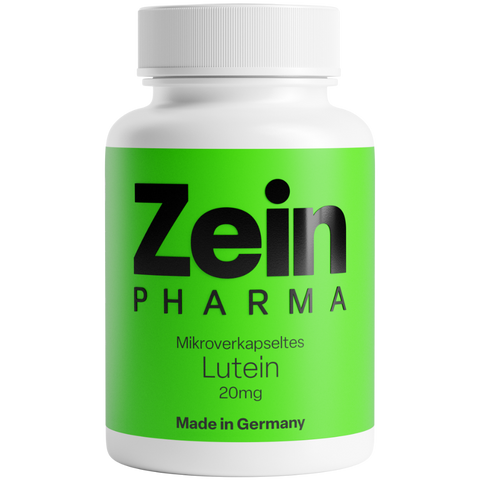
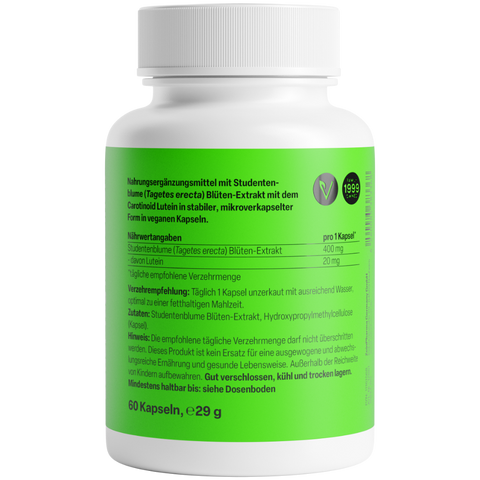
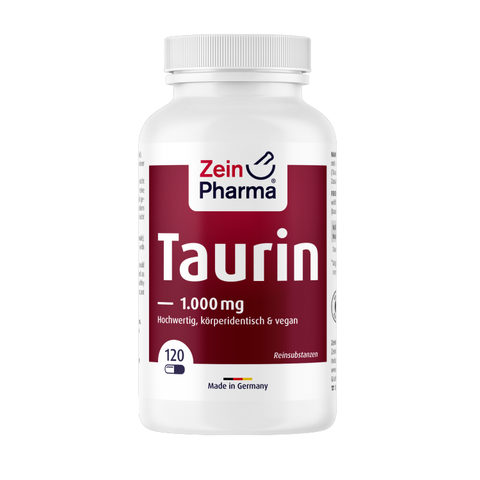
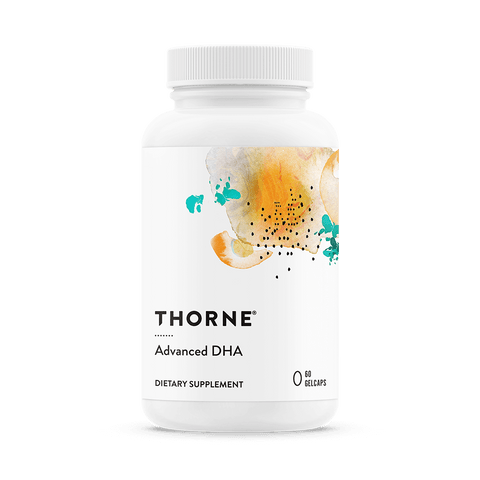
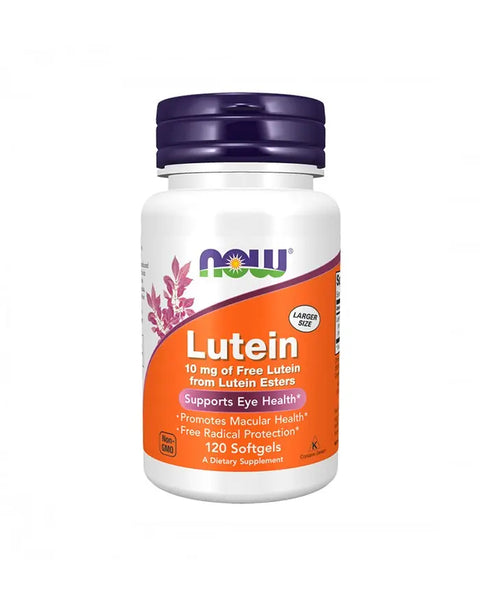
The Eye Health collection from Viva Saudável brings together supplements from brands such as Nordic Naturals, Thorne Research, NOW Foods, Lamberts, Zeinpharma, Nutrined, Ecogenetics, and Suravitasan. You can find lutein and zeaxanthin, beta-carotene, DHA in capsules and liquid form, zinc, vitamin A, taurine, quercetin, and combined formulas, including versions for children and during pregnancy.

Nutrients that contribute to Eye Health

  • Vitamin A, riboflavin (vitamin B2), and zinc contribute to the maintenance of normal vision.
  • DHA contributes to the maintenance of normal vision with a daily dose of 250 mg.
  • Maternal intake of DHA contributes to the normal development of the eyes of the foetus and breastfed infants, with 200 mg of DHA in addition to the daily 250 mg of EPA and DHA.
  • In infants up to 12 months, DHA contributes to normal visual development with 100 mg daily.

Lutein, zeaxanthin, luteolin, taurine, and quercetin do not have authorised claims in the European Union. For this reason, no function is attributed to them on this page.

About lutein and zeaxanthin

These are two xanthophyll carotenoids present in dark green leafy vegetables — kale, spinach, broccoli — and in egg yolk. Unlike beta-carotene, they are not converted into vitamin A by the body. They are concentrated in the macula, the central region of the retina, which is why they often appear in formulas in this category, despite not having an authorised claim. The designations Lutemax 2020 and FloraGLO refer to standardised raw materials, with a defined ratio between lutein and zeaxanthin.

Changes in vision, blurred vision, sudden onset of floaters, or loss of visual field should be evaluated by an ophthalmologist, and not managed by supplementation.

14 products

4.5/5 — nota média de 47 avaliações de clientes aos produtos desta página

Perguntas frequentes

And lutein and zeaxanthin?
They do not have authorised health claims in the European Union. They are carotenoids that concentrate in the macula and frequently appear in vision formulas, but applications submitted to the EFSA have not been approved. Therefore, we describe what they are without attributing any function to them.
What is the difference between lutein and beta-carotene?
Both are carotenoids, but from different families. Beta-carotene is a carotene and is converted by the body into vitamin A, which has an authorized health claim for vision. Lutein and zeaxanthin are xanthophylls and are not converted into vitamin A. Food sources: carrots, sweet potatoes, and pumpkins for beta-carotene; kale, spinach, and egg yolk for lutein.
Does it make sense to take supplements if I spend many hours in front of a screen?
The discomfort associated with prolonged screen use is mainly related to reduced blink frequency and posture, and can be resolved with regular breaks, lighting adjustments, and, when indicated, optical correction.

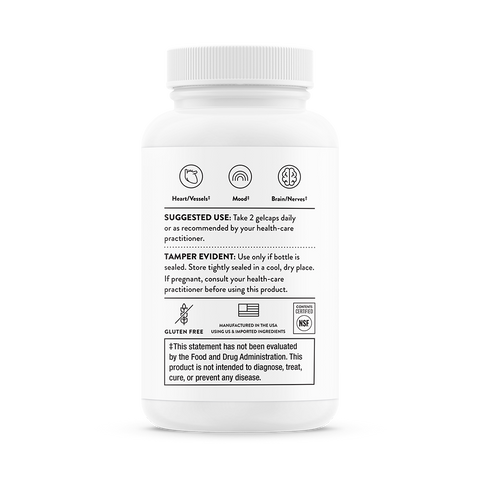
Food supplements are not a substitute for a varied and balanced diet or a healthy lifestyle. If you are pregnant or breastfeeding, consult your doctor before taking this supplement. Not recommended in case of hypersensitivity or allergy to any of the ingredients in the formulation, or when interactions between another product and any of its constituents are described. The recommended daily dose should not be exceeded. Keep out of the reach and sight of children. Store in a cool, dry place, away from light.