
85 products





Perguntas frequentes
What dosage of omega-3 should I look for in a supplement?
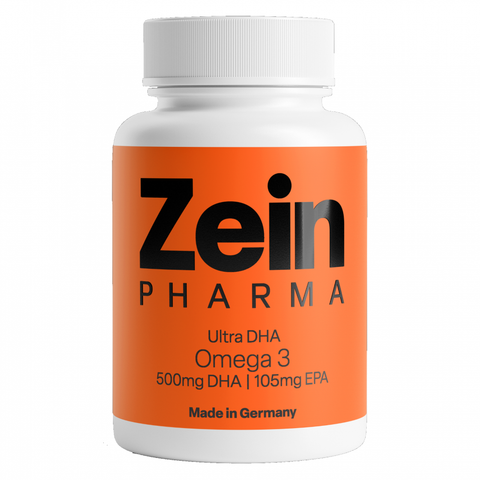
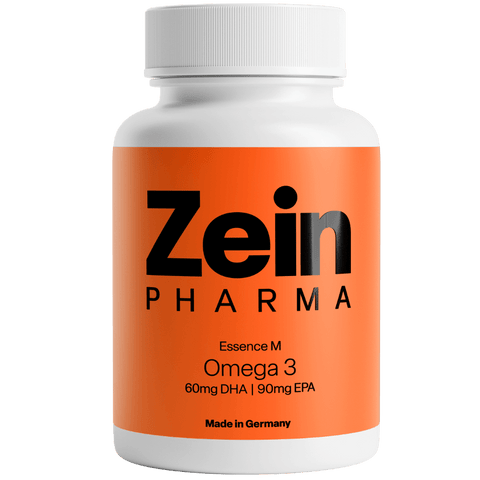
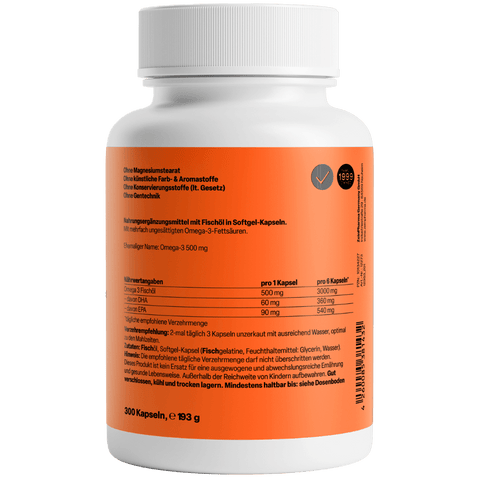
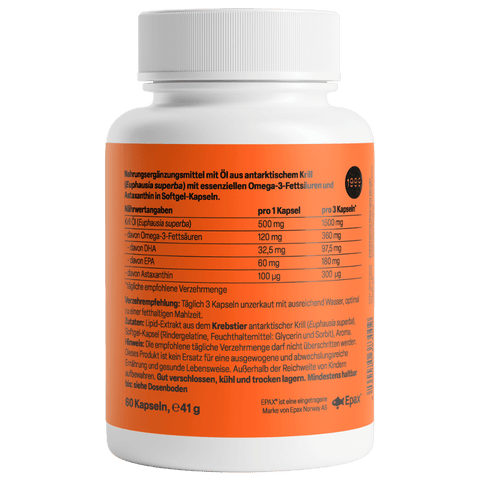
The authorized reference in the European Union is 250 mg daily of combined EPA and DHA — this is the dose from which the beneficial effect for normal heart function is obtained. The important point is that this dose refers to EPA and DHA, not the total fish oil. A 1000 mg fish oil capsule may contain only 300 mg of EPA+DHA, while a concentrated formula can reach 600 to 800 mg. Always check the nutritional table per capsule before comparing prices.
What is the difference between fish oil, krill oil, and cod liver oil?
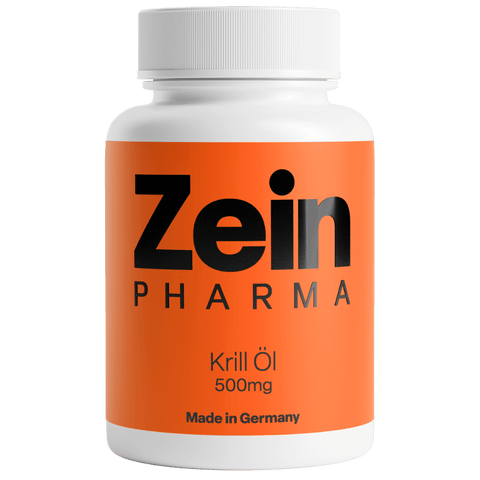
Fish oil is extracted from the body of fatty fish and is the source with the greatest variation in EPA and DHA concentration. Krill oil provides fatty acids bound to phospholipids instead of triglycerides and naturally contains astaxanthin, which gives it its reddish colour. Cod liver oil naturally contains vitamins A and D, which requires extra attention to the dosage in case of pregnancy, given the total vitamin A intake.
How do I know if an omega-3 is of good quality?
Look at three things: the stated EPA and DHA content per capsule, the chemical form (triglyceride, ethyl ester, or phospholipid), and the existence of oxidation and heavy metal analyses per batch. Brands like Nordic Naturals and WHC publish certificates of analysis per batch. The expiration date and storage away from light also count, because polyunsaturated fatty acids oxidize easily.
Food supplements are not a substitute for a varied and balanced diet or a healthy lifestyle. If you are pregnant or breastfeeding, consult your doctor before taking this supplement. Not recommended in case of hypersensitivity or allergy to any of the ingredients in the formulation, or when interactions between another product and any of its constituents are described. The recommended daily dose should not be exceeded. Keep out of the reach and sight of children. Store in a cool, dry place, away from light.