
44 products


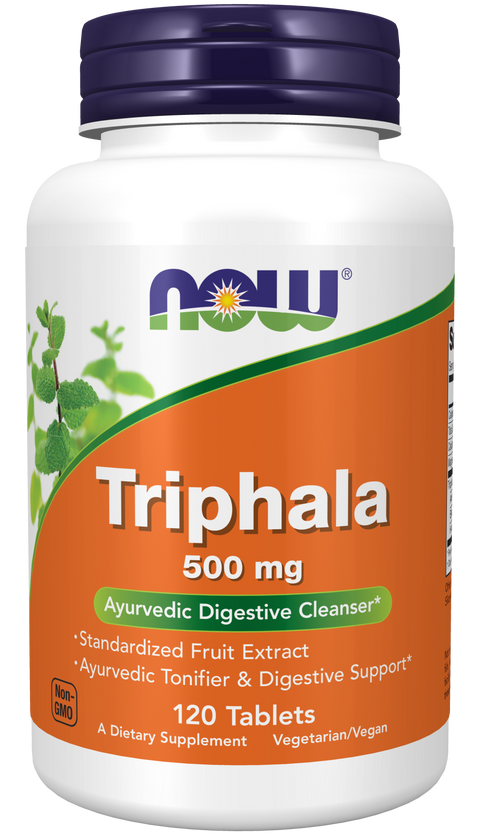
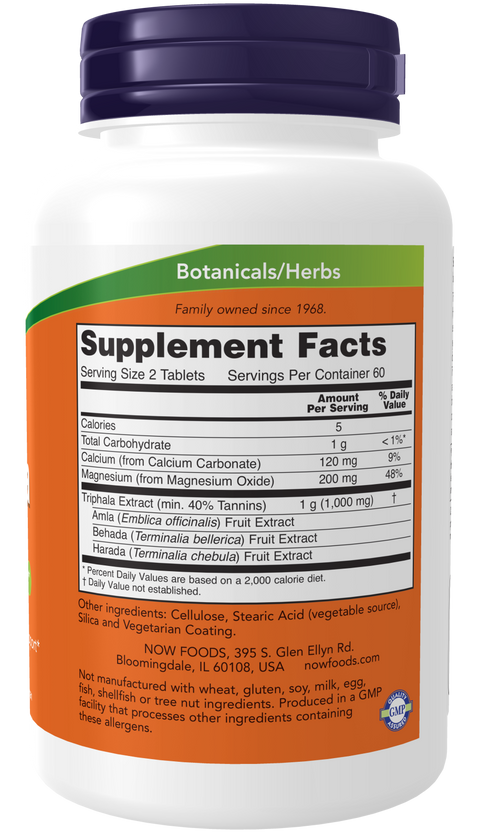
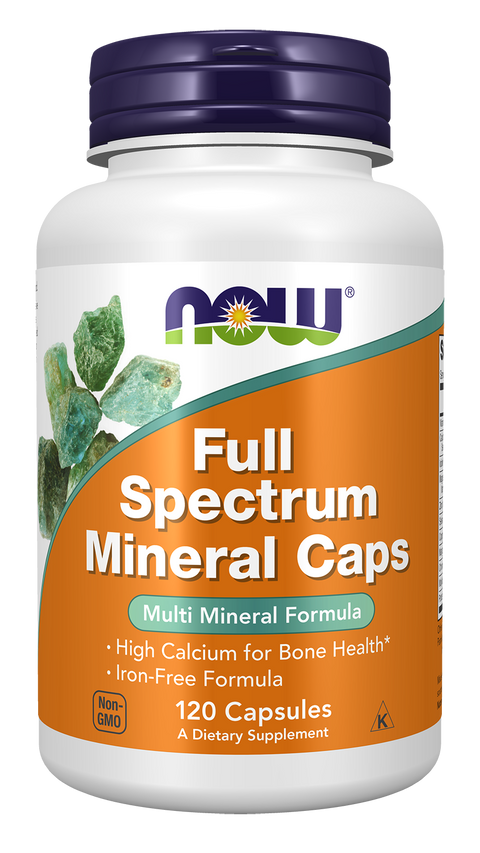
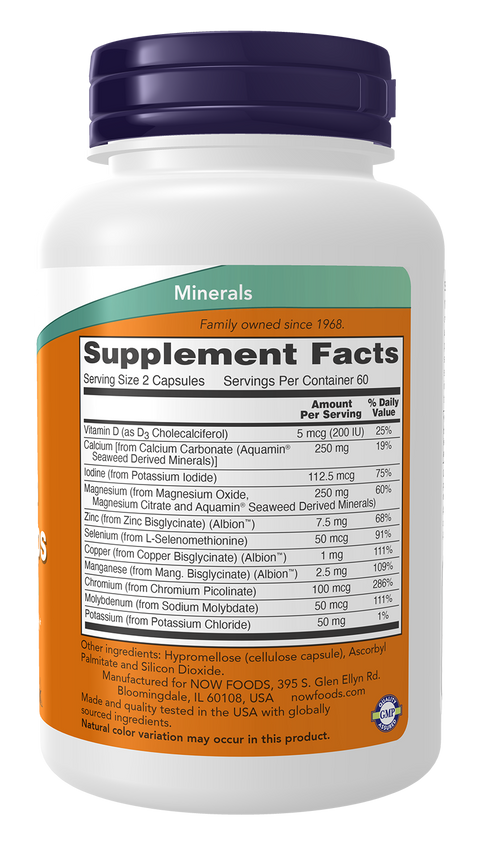
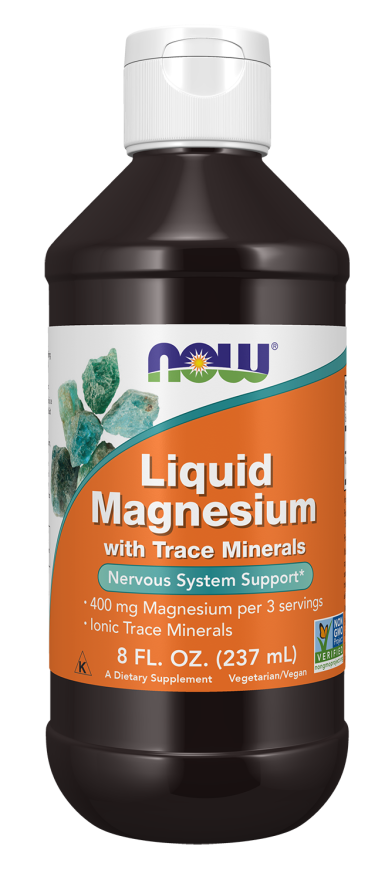
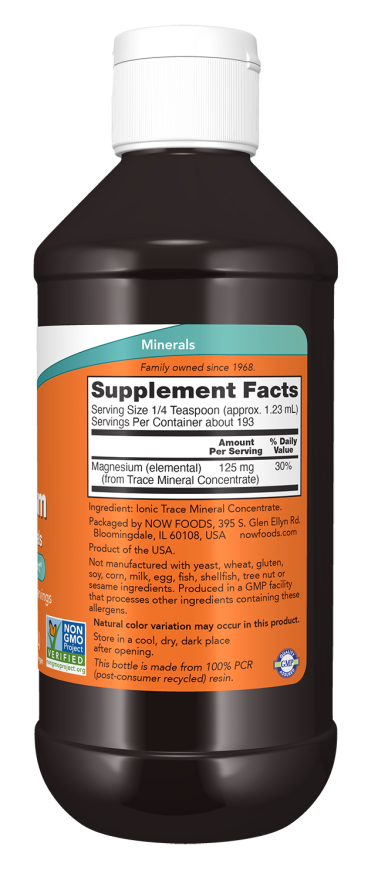
NOW Foods
Magnesium Liquid With Trace Minerals (Magnesium Chloride) – 237 ml (400 mg) (178 Servings) Now
Price:
37,78€
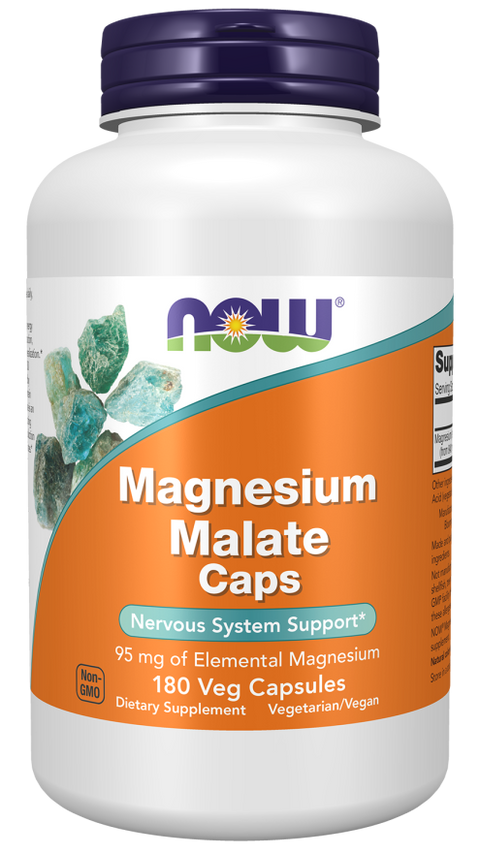
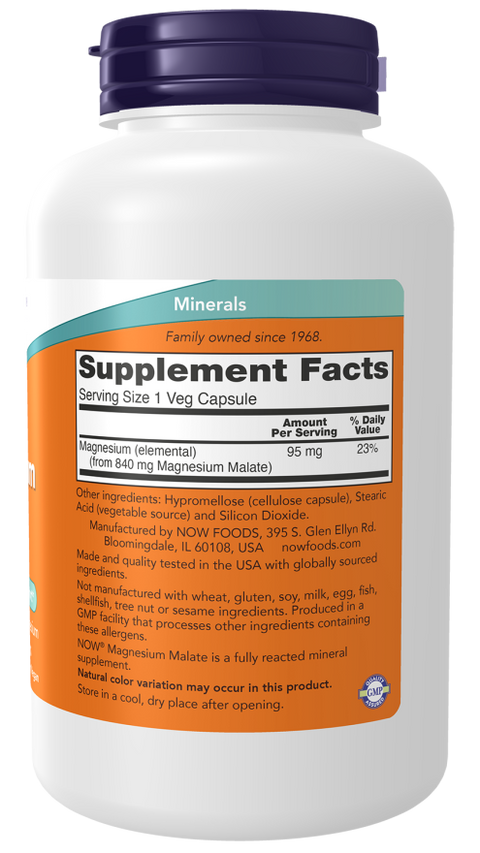
NOW Foods
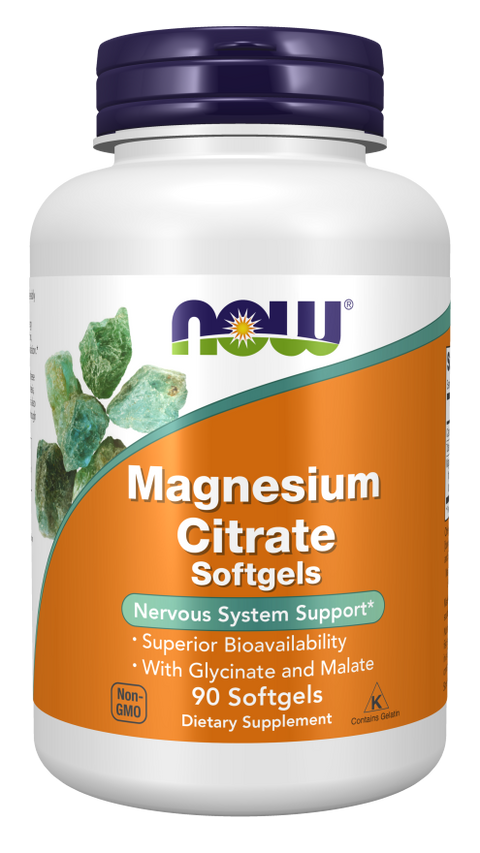
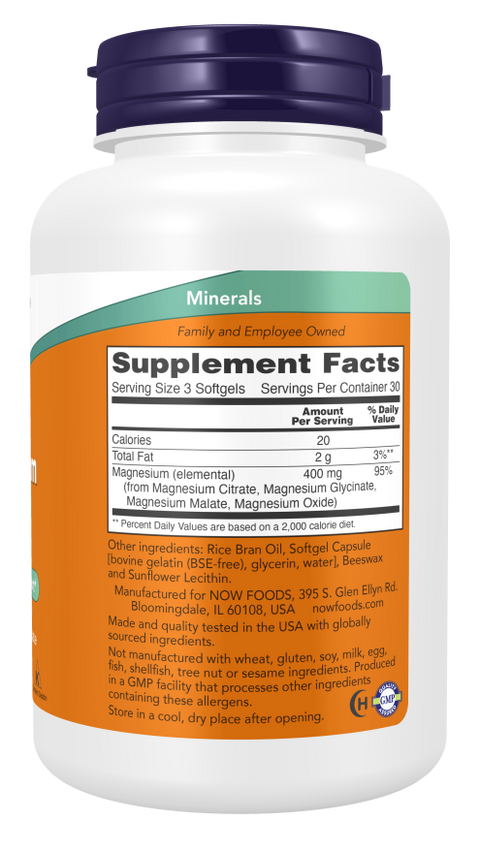
Magnesium Citrate w/ Mag. Malate & Glycinate (Magnesium Trio) – 90 Softgels (400 mg) Now
Price:
27,90€

NOW Foods
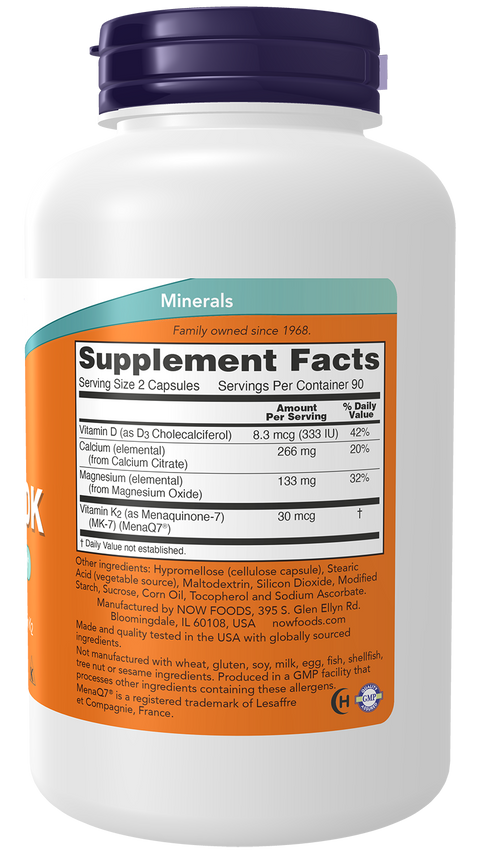
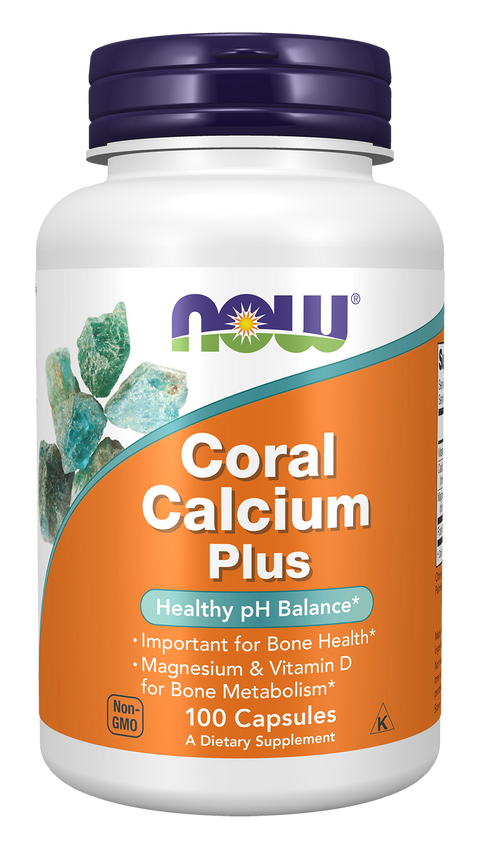
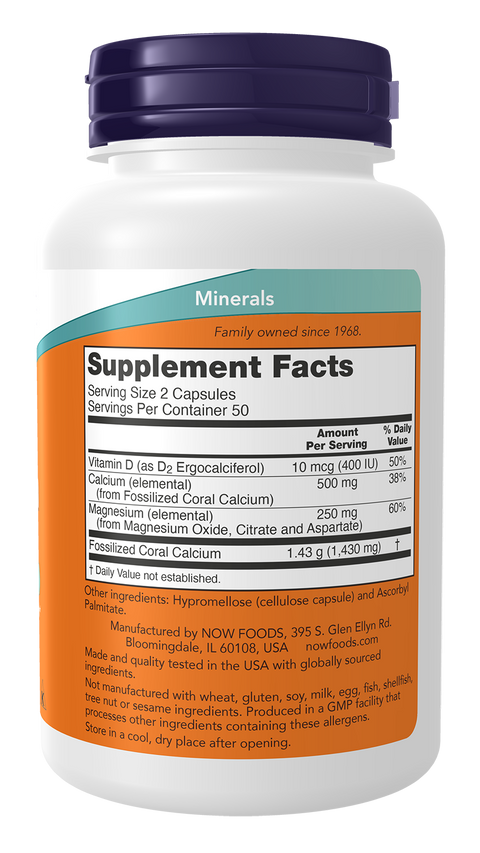
Coral Calcium - Coral Calcium Plus Magnesium – 100 Vegetable Capsules (500/250 mg) Now
Price:
29,07€










Perguntas frequentes
Para que serve o magnésio?
O magnésio contribui para a redução do cansaço e da fadiga, para o funcionamento normal do sistema nervoso, para a função muscular normal e para uma função psicológica normal. Contribui também para um metabolismo energético normal, para o equilíbrio eletrolítico, para a síntese proteica normal e para a manutenção de ossos e dentes normais.
Qual é a diferença entre bisglicinato, citrato e malato de magnésio?
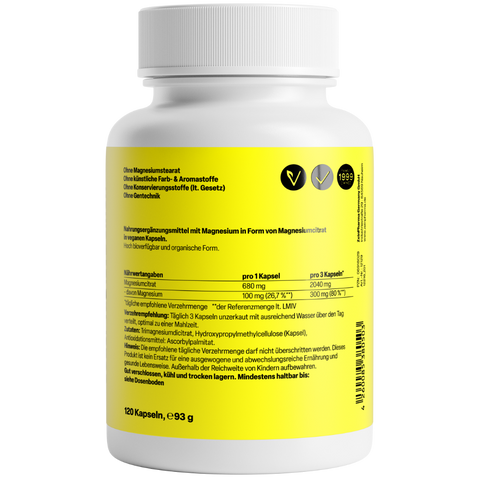
São formas diferentes de ligar o magnésio a outra molécula. No bisglicinato, o magnésio está ligado ao aminoácido glicina; no citrato, ao ácido cítrico; no malato, ao ácido málico. Todas fornecem magnésio, mas mudam a quantidade de magnésio elementar por cápsula, o tamanho da dose e a tolerância digestiva: o bisglicinato é muitas vezes escolhido por quem tem estômago sensível, e o citrato em doses altas pode ter efeito laxante.
Quanto magnésio devo tomar por dia?
O valor de referência do nutriente (VRN) para adultos é de 375 mg por dia, somando alimentação e suplementos. Para o magnésio vindo de suplementos, o limite recomendado é de 250 mg por dia; acima disso podem surgir efeitos laxativos ligeiros. Siga sempre a toma indicada no rótulo e veja os mg de magnésio elementar, não o peso total do composto.
Qual é a melhor hora para tomar magnésio?
Pode tomar magnésio à hora que lhe for mais fácil de manter todos os dias. Tomar com uma refeição e dividir a dose em duas tomas ao longo do dia ajuda a tolerar melhor as doses mais altas. O mais importante é a regularidade.
O magnésio tem efeito laxante?
Pode ter, sobretudo em doses altas e em algumas formas, como o óxido e o citrato. Se notar desconforto intestinal, divida a dose em duas tomas, tome-a com uma refeição ou reduza a quantidade. As formas quelatadas, como o bisglicinato, são muitas vezes escolhidas por quem tem mais sensibilidade digestiva.
Posso tomar magnésio com medicamentos ou outros suplementos?
O magnésio pode reduzir a absorção de alguns medicamentos, como certos antibióticos (tetraciclinas e quinolonas), bifosfonatos e levotiroxina, pelo que costuma ser recomendado espaçar as tomas algumas horas. Doses altas de cálcio, zinco ou ferro também podem competir com o magnésio. Se toma medicação, tem problemas renais, está grávida ou a amamentar, fale com o seu médico ou farmacêutico antes de começar.
Veja também
Food supplements are not a substitute for a varied and balanced diet or a healthy lifestyle. If you are pregnant or breastfeeding, consult your doctor before taking this supplement. Not recommended in case of hypersensitivity or allergy to any of the ingredients in the formulation, or when interactions between another product and any of its constituents are described. The recommended daily dose should not be exceeded. Keep out of the reach and sight of children. Store in a cool, dry place, away from light.