
58 products
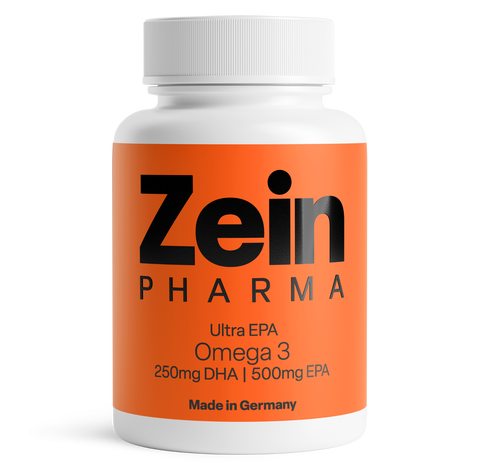
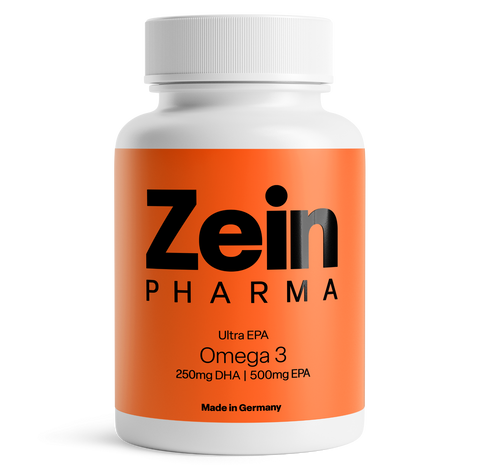

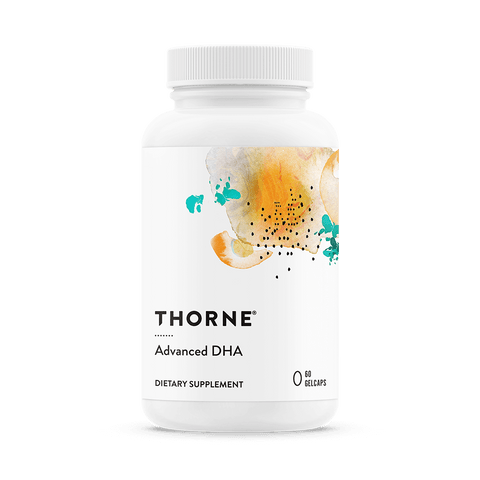
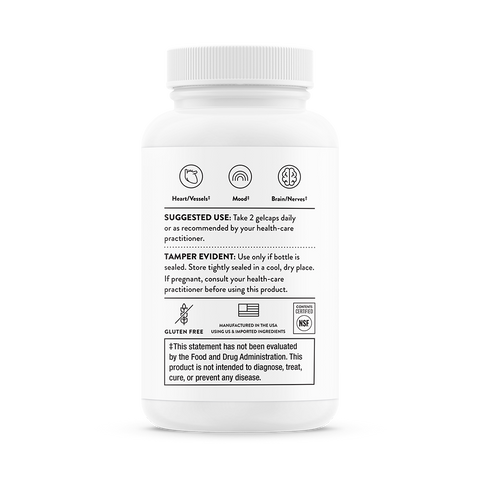

Perguntas frequentes
How much EPA and DHA should I take daily?
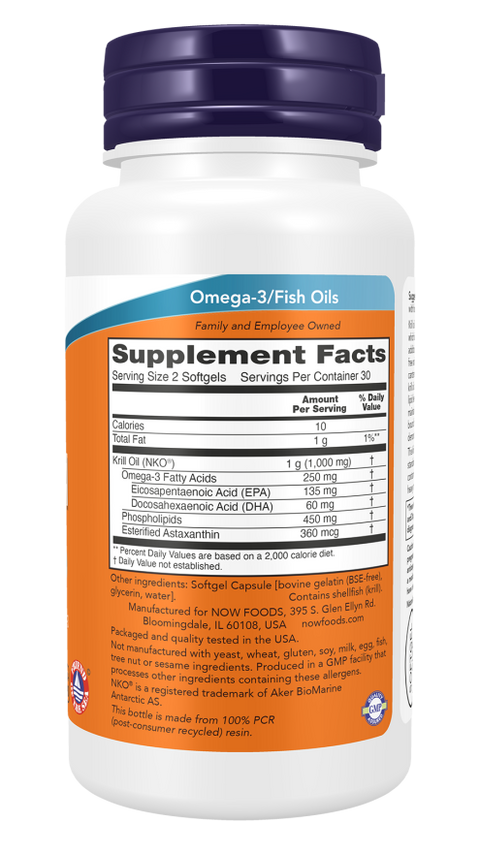
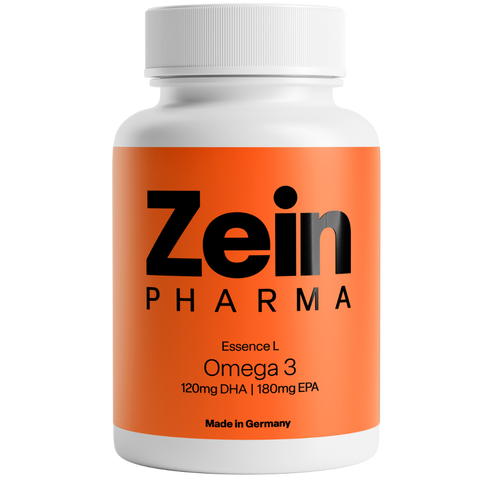
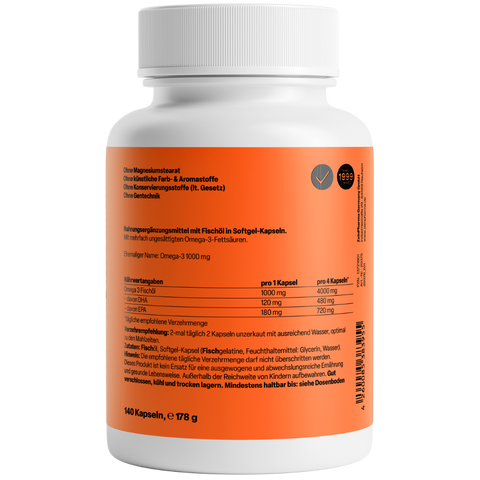
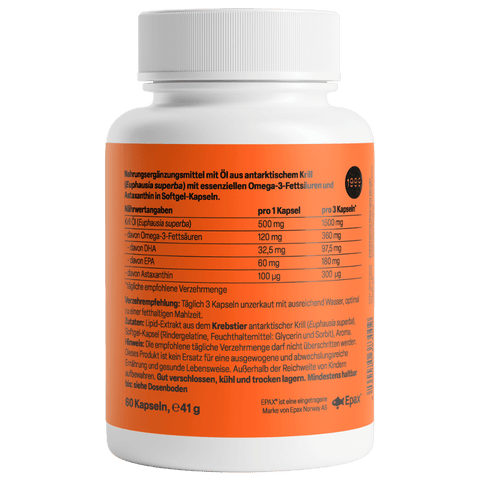
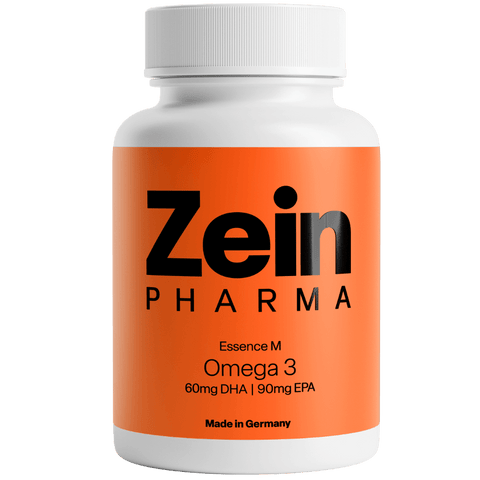
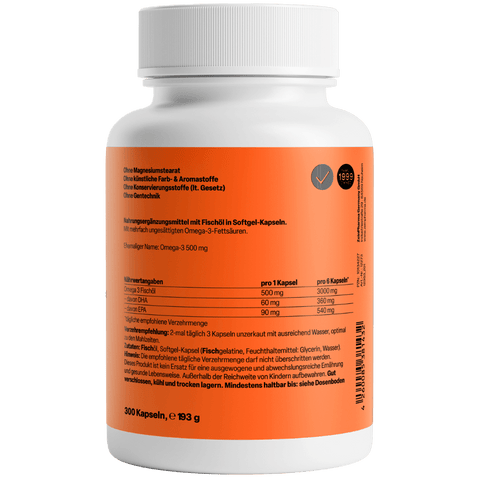
The authorised reference in the European Union is 250 mg daily of combined EPA and DHA. This is the dose from which a contribution to normal heart function can be claimed, and also the threshold for DHA alone for the brain and vision. Many concentrated formulas far exceed this amount in a single capsule — always compare the label.
What is the difference between triglyceride, ethyl ester, and phospholipid?
These are the chemical forms in which EPA and DHA are supplied. Natural fish oil is in triglyceride form. Industrial concentration normally converts it to ethyl ester, and some manufacturers then convert it back to triglyceride (indicated as rTG or re-esterified triglyceride). Krill oil provides them bound to phospholipids. The forms differ in absorption profile and production cost, and the label does not always state which one it is — if not indicated, it is worth asking.
Fish oil, krill oil or cod liver oil?
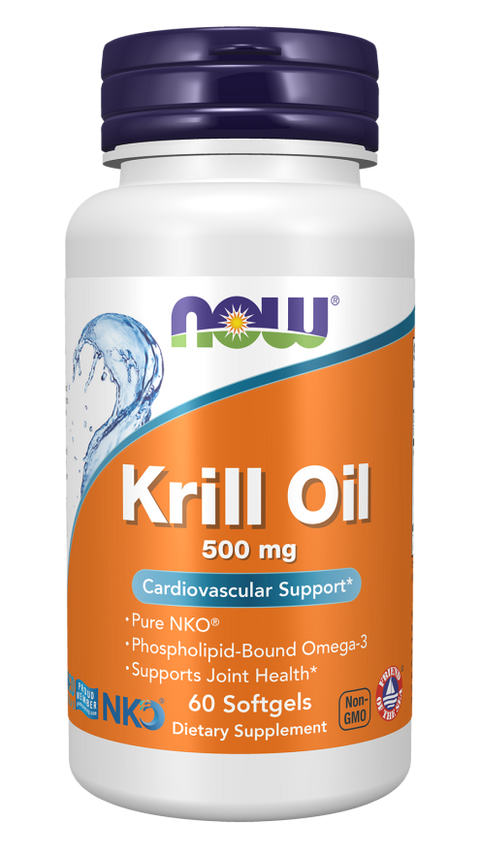
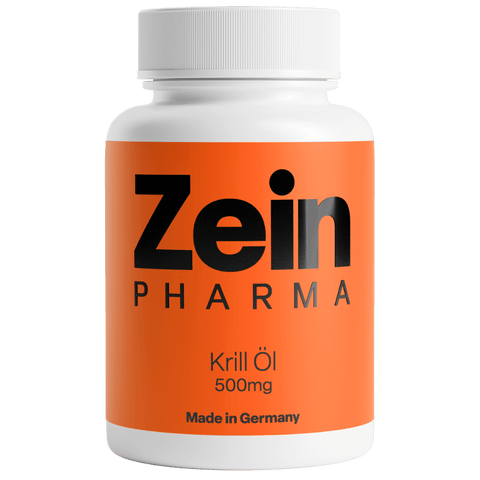
Fish oil is the source with the widest range of concentrations and and prices. Krill oil typically has less EPA and DHA per capsule, but delivers them in phospholipids and naturally contains astaxanthin. Cod liver oil provides naturally occurring vitamins A and D, which is an advantage for some and a limitation for others — during pregnancy, total vitamin A intake must be accounted for.
Food supplements are not a substitute for a varied and balanced diet or a healthy lifestyle. If you are pregnant or breastfeeding, consult your doctor before taking this supplement. Not recommended in case of hypersensitivity or allergy to any of the ingredients in the formulation, or when interactions between another product and any of its constituents are described. The recommended daily dose should not be exceeded. Keep out of the reach and sight of children. Store in a cool, dry place, away from light.