Plant Extracts

The power of plants

Supplements based on plant and herb extracts, with roots in traditional phytotherapy. It brings together a wide selection of plants used for generations to support well-being naturally.

What you will find

Plant extracts, tinctures, and capsules for different needs — from relaxation to digestion, as well as immune support. A natural alternative for those who prefer ingredients of botanical origin.

How to choose

Look for the right plant for your goal and prioritize standardized extracts, which guarantee a consistent concentration of active ingredients. If you are on medication, always confirm compatibility with your doctor.

39 products

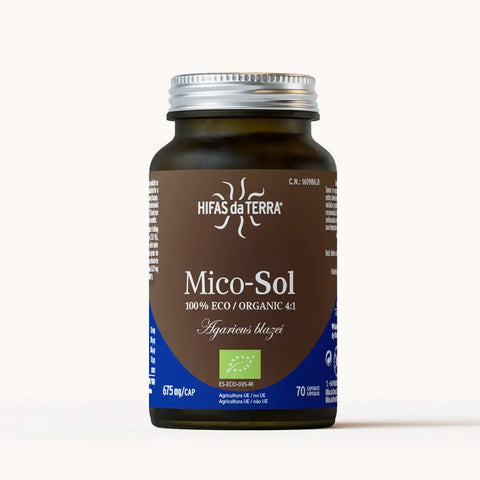
Mico Sol 70 Caps Hifas da Terra Hifas da Terra
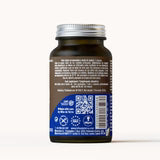
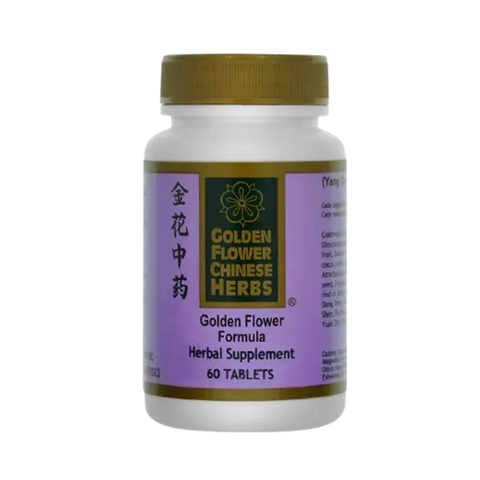
Women´s Precious Formula 60 Caps Golden Flower - Viva Saudável
Sold Out
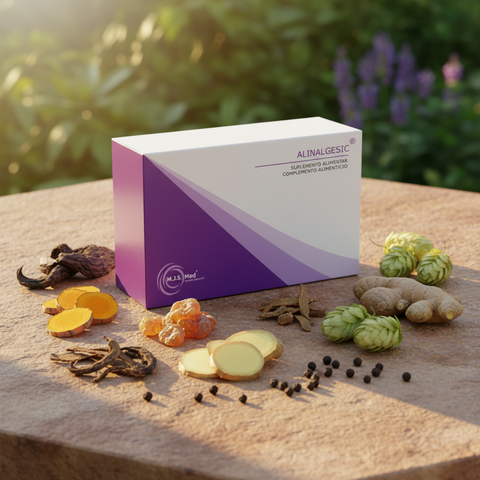
Alinalgesic 20 Caps - Viva Saudável
Alinalgesic Lifestyle
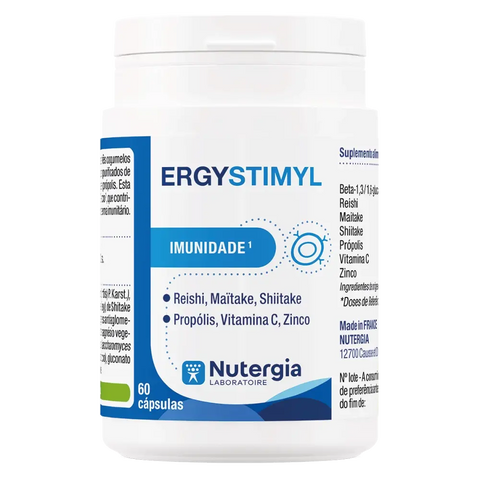
ErgyStimyl 60 Caps Nutergia - Viva Saudável
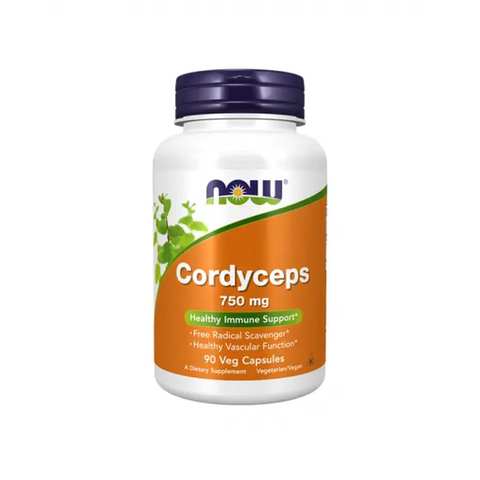
Cordyceps 750 mg 90 Caps Now - Viva Saudável
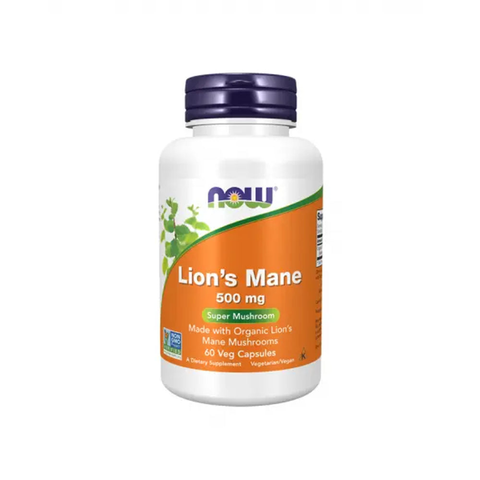
Lion’s Mane 500 mg 60 Vcaps Now - Viva Saudável
Sold Out
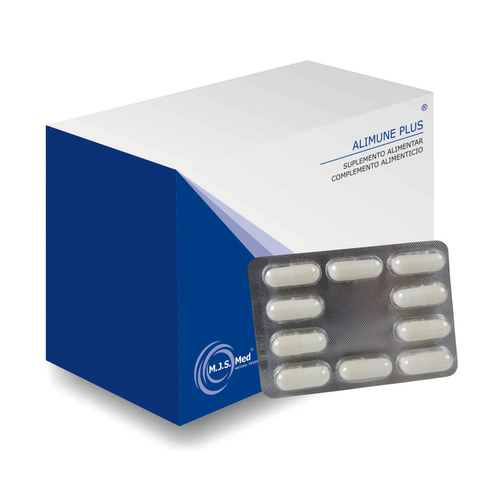
Alimune Plus® 60 Caps - Viva Saudável
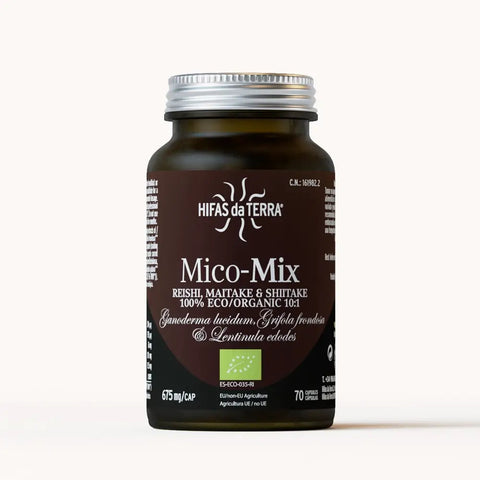
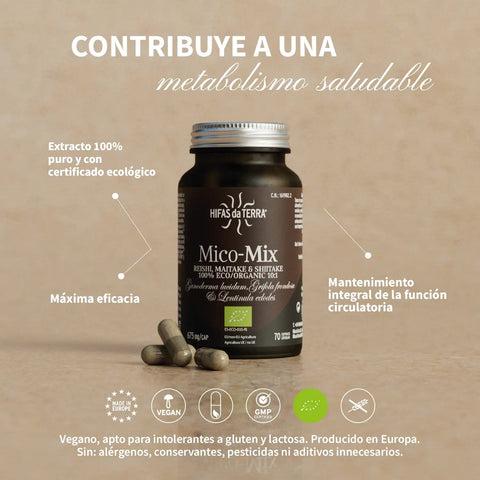
Mico Mix 70 Caps Hifas da Terra - Viva Saudável
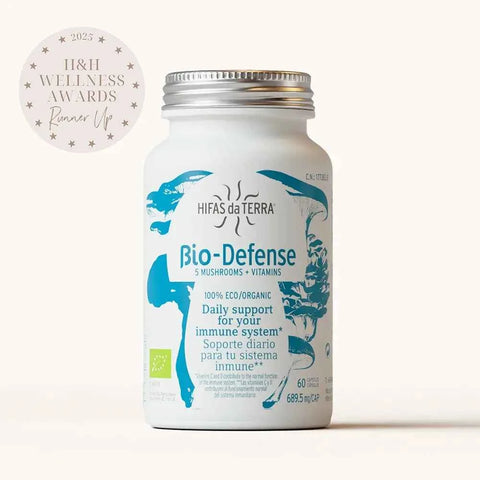
Bio-Defense 60 Caps Hifas da Terra
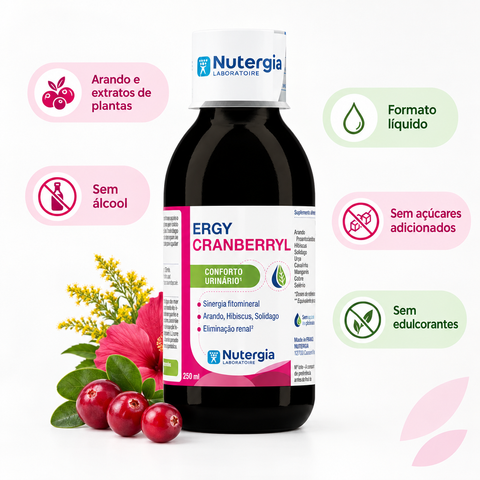
ERGY Cranberry Nutergia, produto original
ERGY Cranberry Nutergia com badges
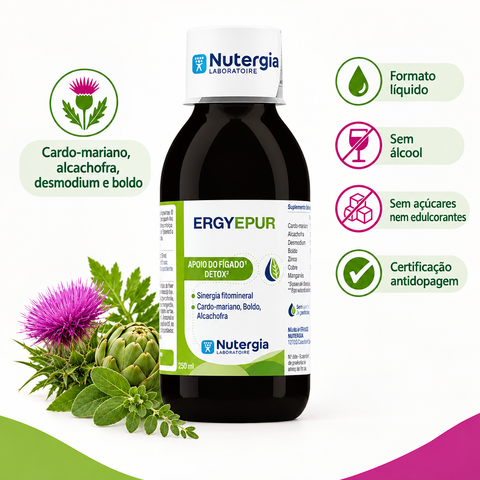
ERGYPUR Nutergia, produto original
ERGYPUR Nutergia com badges informativos
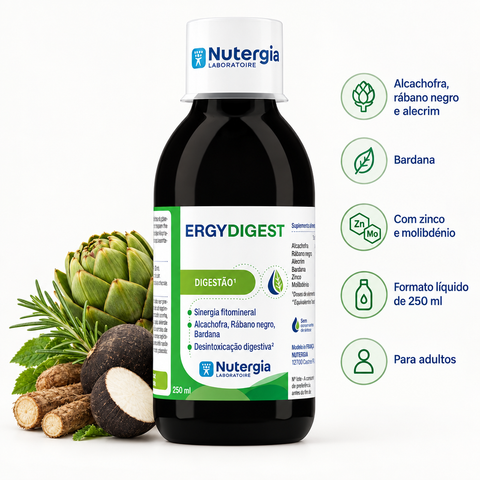
ERGYDIGEST Nutergia, produto original
ERGYDIGEST Nutergia com badges informativos

5.0/5 — nota média de 1 avaliações de clientes aos produtos desta página

How to choose a herbal extract

Between two products with the same plant name, there can be a huge difference in concentration. These five points show you what to look for on the label.

1. Botanical name and plant part

Common names can be misleading: “Siberian ginseng” is Eleutherococcus senticosus and not a Panax. Look for the botanical nameand the part used, as roots, leaves, flowers, and fruits have different compositions.

2. Standardization and extraction ratio

A standardized extractguarantees a defined percentage of specific compounds, such as curcuminoids, rosavins, or beta-glucans, and keeps batches consistent. A 10:1 ratio indicates how much of the plant was needed to make the extract, but it doesn't say which compounds remained.

3. Powder, dry extract, or tincture

Powder is the dried and ground plant. Dry extract comes concentrated, almost always in capsules. A tincture is liquid, in alcohol or glycerin, and allows you to adjust the amount drop by drop. Doses of these three cannot be compared with each other.

4. Single plants and traditional formulas

There are single-plant products and formulas that combine several, including traditional Chinese medicine compositions and mushroom formulas. In combinations, check how much of each ingredient is in the daily dose: many spread small amounts across a long list.

5. Interactions and precautions

Concentrated extracts have known interactions with medications. Talk to your doctor if you take anticoagulants, antidepressants, hormonal contraceptives, or immunosuppressants, if you are pregnant or breastfeeding, or if you have an autoimmune disease. Before surgery, some extracts should be discontinued two weeks in advance.

Perguntas frequentes

O que é um extrato padronizado?
É um extrato cujo processo garante uma percentagem definida de determinados compostos no produto final, indicada no rótulo. Isso torna os lotes consistentes entre si e distingue-o do simples pó da planta moída. Exemplos: curcuminóides na cúrcuma, rosavinas na rhodiola, beta-glucanos nos cogumelos.
O que significa um rácio 10:1 no rótulo?
Que foram precisos dez quilos de planta seca para obter um quilo de extrato. Diz-lhe a concentração, mas nada sobre os compostos que lá ficaram. Um extrato 10:1 sem padronização dá menos informação do que um 4:1 padronizado numa percentagem concreta.
Extrato, tintura ou pó da planta: o que muda?
O pó é a planta seca e moída, com os compostos na concentração em que a natureza os deixou. O extrato seco concentra-os e vem habitualmente em cápsulas. A tintura é um extrato líquido, em álcool ou glicerina, e permite ajustar a quantidade gota a gota. As doses não se comparam diretamente entre os três.
Como sei que planta estou a comprar?
Pelo nome botânico e pela parte usada, que devem estar no rótulo. Nomes comuns podem designar plantas diferentes: o «ginseng siberiano» é Eleutherococcus senticosus e não um Panax. E a parte importa: raiz, folha, flor ou fruto têm composições distintas.
Que cuidados devo ter com extratos concentrados?
Têm interações descritas com medicamentos. Se toma anticoagulantes, antidepressivos, contracetivos hormonais ou imunossupressores, fale com o seu médico antes de começar. O mesmo na gravidez, na amamentação e na doença autoimune. Antes de uma cirurgia, alguns extratos devem ser suspensos com duas semanas de antecedência.
Nos cogumelos, o que é micélio e corpo frutífero?
O corpo frutífero é o cogumelo propriamente dito; o micélio é a rede filamentosa que cresce no substrato e que, em alguns produtos, é vendida junto com esse substrato, o que dilui o teor de cogumelo. Veja no rótulo qual é usado e se há padronização em beta-glucanos.

Veja também

Food supplements are not a substitute for a varied and balanced diet or a healthy lifestyle. If you are pregnant or breastfeeding, consult your doctor before taking this supplement. Not recommended in case of hypersensitivity or allergy to any of the ingredients in the formulation, or when interactions between another product and any of its constituents are described. The recommended daily dose should not be exceeded. Keep out of the reach and sight of children. Store in a cool, dry place, away from light.