Ashwagandha & Adaptogens

Ashwagandha and adaptogens for balance and well-being

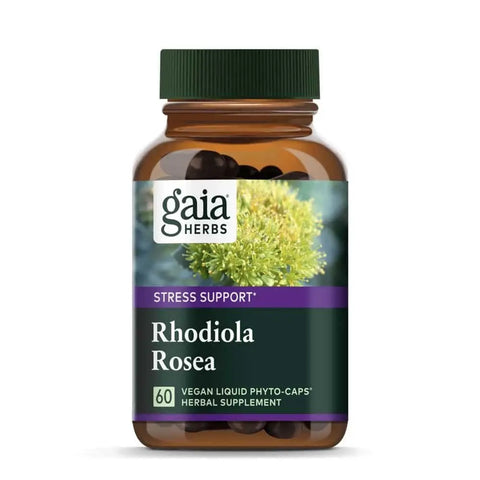
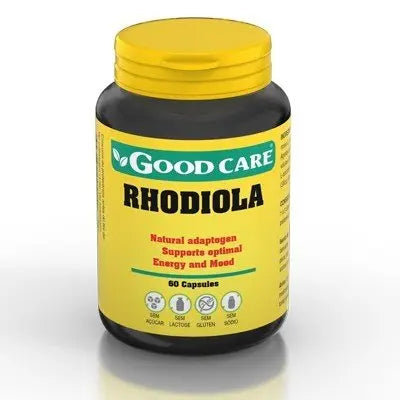
The Ashwagandha & Adaptogens collection from Viva Saudável brings together supplements with plants and extracts traditionally used in routines for balance, vitality, stress resistance, and daily well-being. Here you'll find products with ashwagandha, rhodiola, ginseng, eleuthero, holy basil, schisandra, and combined adaptogenic formulas.

Adaptogens are plant-derived ingredients often found in supplements for demanding routines, periods of increased fatigue, mental performance, and general balance. Ashwagandha is one of the most well-known plants in this category, available in different extracts, concentrations, and formats.

When choosing ashwagandha or adaptogen supplements, consider the composition, extract type, recommended dose, presence of other ingredients, and suitability for your individual situation. In case of pregnancy, breastfeeding, medication, thyroid disease, autoimmune disease, diagnosed anxiety, or other clinical condition, seek professional advice before use.

8 products

How to choose your adaptogen

On this page, you will find plants with very different histories of use and extracts that vary significantly from one another. What allows you to compare products is the species, the plant part, the type of extract, and the dosage.

1. Which plant

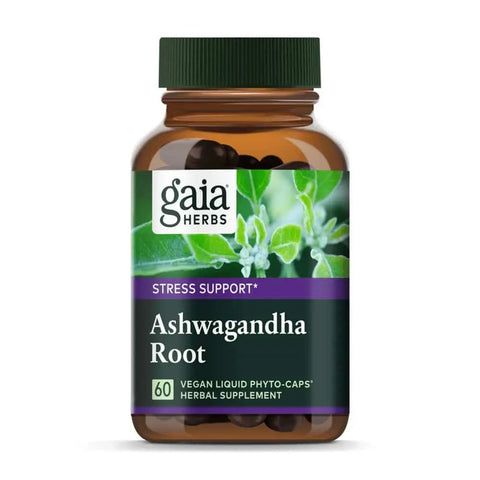
  • Ashwagandha(Withania somnifera): root, in Ayurvedic medicine.
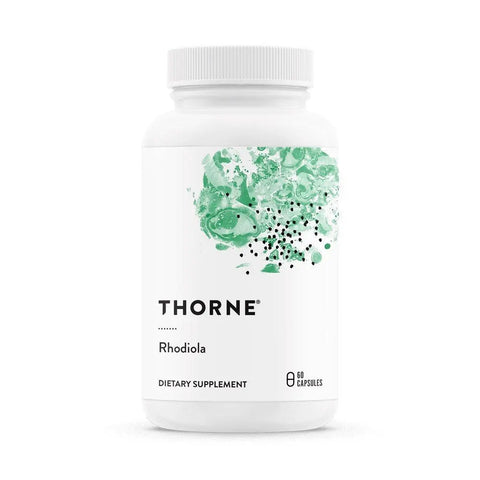
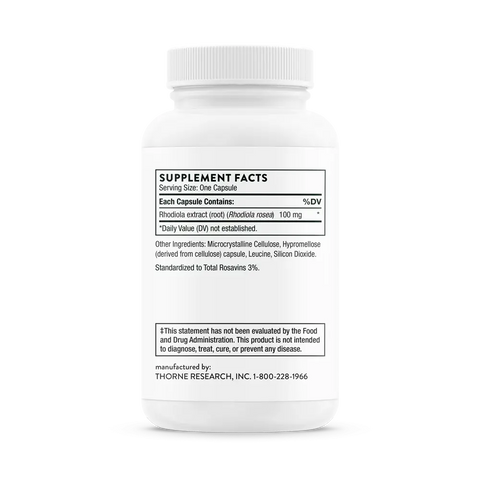
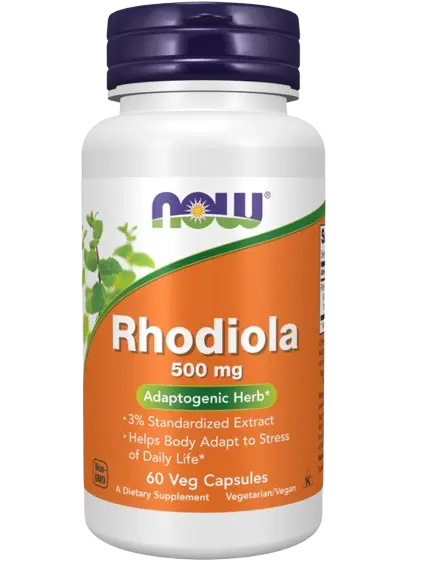
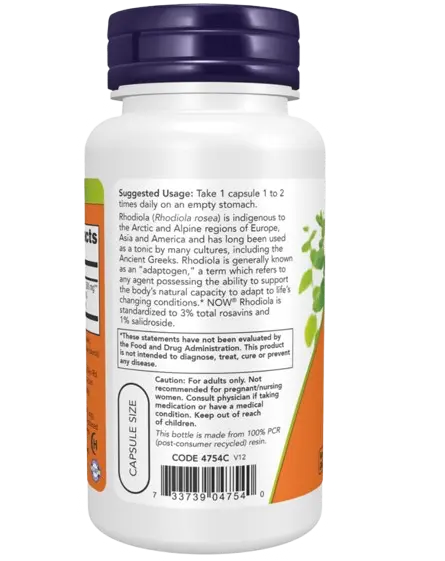
  • Rhodiola(Rhodiola rosea): root, traditional in Scandinavia and Russia.
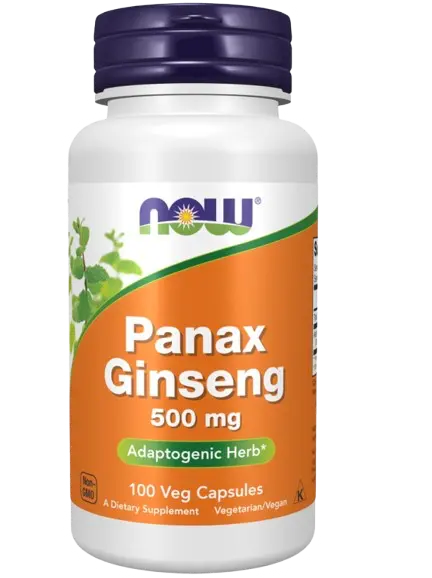
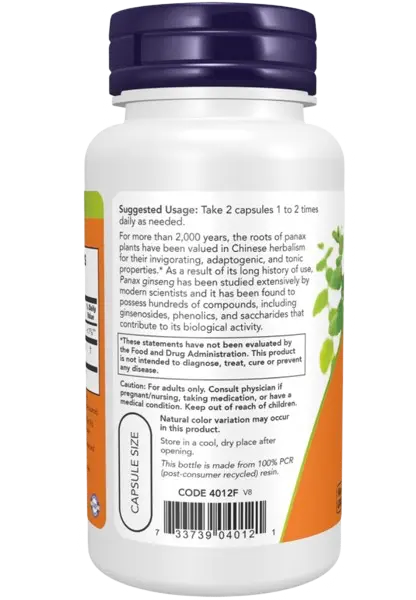
  • Ginseng(Panax ginseng) and eleuthero(Eleutherococcus senticosus), which is a different plant despite the old name "Siberian ginseng".
  • Holy basil(tulsi) and schisandra, found primarily in combination formulas.

2. Plant powder or standardized extract

Ground root powder and a concentrated extract are not comparable in milligrams. Look for standardizationon the label: withanolides in ashwagandha, rosavins and salidroside in rhodiola, ginsenosides in ginseng. A ratio such as 10:1 indicates the concentration of the extract, but does not replace standardization.

3. Patented extracts

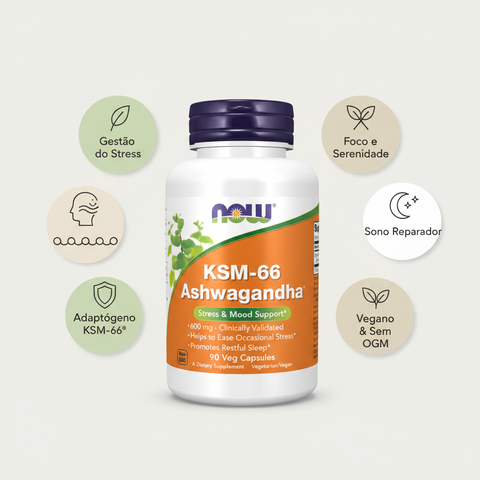
In ashwagandha, the most common ones are KSM-66, obtained only from the root, and Sensoril, which uses root and leaf and has a higher percentage of withanolides. These are different raw materials, with their own reference dosages indicated on each label.

4. The format

Capsules are the most common format. There are also powders, to add to drinks, and liquid extracts and tinctures, which allow you to adjust the amount. In combination formulas, check how much of each plant is in the daily dose: many distribute small doses across several ingredients.

5. Precautions

Ashwagandha should not be taken during pregnancy or while breastfeeding. Those with thyroid disease or autoimmune disease, those about to undergo surgery, and those taking sedatives, anxiolytics, antidepressants, anticoagulants, or medication for blood pressure or blood sugar should speak with a doctor before using these plants. Start with one product at a time and stop if you notice any unusual reaction.

Perguntas frequentes

Para que serve a ashwagandha e o que são adaptogénios?
Adaptogénios é o nome dado a um conjunto de plantas usadas há muito na medicina tradicional indiana e chinesa, entre as quais a ashwagandha (Withania somnifera), a rhodiola, o ginseng, o eleuthero, o holy basil e a schisandra. O termo vem da literatura científica do século XX e agrupa plantas de famílias botânicas diferentes, pelo que o que interessa comparar é cada planta e cada extrato, e não a categoria.
O que significam KSM-66 e Sensoril?
São extratos patenteados de ashwagandha, com processos de extração e padronizações diferentes. O KSM-66 é obtido apenas da raiz; o Sensoril usa raiz e folha e tem uma percentagem de withanolídeos mais alta. Os rótulos indicam qual o extrato usado, a dose em mg e a percentagem de withanolídeos.
Como comparo dois produtos com a mesma planta?
Compare três coisas: a parte da planta usada (raiz, folha, fruto), se é pó da planta ou extrato concentrado, e a padronização. A rhodiola costuma ser padronizada em rosavinas e salidrosídeo, o ginseng em ginsenósidos e a ashwagandha em withanolídeos. Um extrato 10:1 significa que foram precisos dez quilos de planta para obter um de extrato, o que não diz nada sobre a padronização.
Durante quanto tempo se tomam?
Siga a duração e a toma indicadas no rótulo de cada produto. Muitas fórmulas são apresentadas para períodos limitados, com pausas entre eles. Se estiver a tomar de forma continuada durante meses, vale a pena falar com um profissional de saúde.
Quem deve evitar a ashwagandha e os outros adaptogénios?
Grávidas e mulheres a amamentar não devem tomar ashwagandha. Deve também falar com o médico quem tem doença da tiroide ou doença autoimune, quem toma sedativos, ansiolíticos, antidepressivos, anticoagulantes ou medicação para a tensão ou para o açúcar no sangue, e quem vai ser operado. Se, durante a toma, notar cansaço invulgar, urina escura ou pele amarelada, suspenda e procure o seu médico.
Posso tomar mais do que um adaptogénio ao mesmo tempo?
Muitas fórmulas já combinam várias plantas na mesma cápsula. Se juntar produtos diferentes, some as doses de cada planta, porque é fácil repetir o mesmo ingrediente sem dar por isso. Comece por um produto de cada vez, para perceber como o tolera.

Veja também

Food supplements are not a substitute for a varied and balanced diet or a healthy lifestyle. If you are pregnant or breastfeeding, consult your doctor before taking this supplement. Not recommended in case of hypersensitivity or allergy to any of the ingredients in the formulation, or when interactions between another product and any of its constituents are described. The recommended daily dose should not be exceeded. Keep out of the reach and sight of children. Store in a cool, dry place, away from light.